Anyone looking for a quick, complete meal
You want to identify a single portion and its protein content without having to build the rest of your meal around a side dish.


Choose a frozen meal by comparing the protein content of the portion you plan to eat, rather than relying on the word ‘premium’. A complete meal can be a convenient option, while a skewer, chicken burger or side dish is something to choose as part of a meal you put together yourself. Also check the ingredients, allergens and preparation instructions for the product you choose.
You want to identify a single portion and its protein content without having to build the rest of your meal around a side dish.
You can pair a frozen product with other foods. In that case, the protein in each portion matters more than the ‘premium’ positioning of a single component.
Choose a recipe after checking its ingredients list and highlighted allergens, particularly if it contains dairy, wheat or eggs.
To choose between a complete meal and a frozen component, first work out what you’ll actually eat, then check the nutritional information for that amount. The formats below play different roles in a meal.
Worth considering: if you want a ready-made meal with the protein content stated per portion. According to Picard, five complete meals in its Hyperprotéinée range provide between 31 and 48 g of protein per portion.
Check: the portion size, ingredients and allergens for the meal you choose. The range’s positioning is no substitute for checking its product information.
Worth considering: if you want to choose from a variety of recipes and compare their nutritional values individually.
Keep in mind: the presence of chicken, fish or dairy products doesn’t tell you how much protein is in the portion you’ll serve.
Worth considering: if you prefer to put your plate together from several different foods.
Keep in mind: its nutritional values describe the component, not the whole meal. For example, Carrefour’s product information for Findus spinach with skyr lists 8,6 g of protein per portion for a side dish.
| Criteria | What to check | Who it matters to |
|---|---|---|
| Protein per portion | Value per 100 g, amount eaten and number of portions in the pack. | If I’m choosing this product for its protein, I want to know what’s on my plate rather than just read a value per 100 g; around 33 % of consumers put this first. |
| Complete meal and preparation | Type of product, format and preparation instructions. | When I’m short on time, I look for a meal that’s complete as it is. For around 25 % of consumers, convenience comes before other criteria. |
| Ingredients and allergens | Ingredients list and highlighted allergens. | A recipe is only suitable for me if I can rule out ingredients that don’t meet my requirements; this check is a priority for around 25 % of consumers. |
| Format and availability | Number of portions and whether the product is available at your chosen retailer. | I want a pack size that works for the meals I’m planning, without relying on a product that my local shop doesn’t stock. Availability and format come first for around 17 % of consumers. |
This label doesn’t tell you how much protein is in the portion you eat. Even a product promoted for its protein could be a side dish rather than a complete meal.
Check what type of product it is, then compare the protein value per 100 g with the amount you’ll serve.
The ingredients used in a recipe can affect whether it meets your dietary requirements. Carrefour’s product information for Findus spinach with skyr, for example, highlights milk and wheat.
Check the ingredients list for the exact product. The DGCCRF says that allergenic ingredients in pre-packed foods must be highlighted.
According to Anses, breaking the cold chain can encourage bacteria to grow. This matters regardless of how much protein the product contains.
Take frozen products home promptly and follow the storage and preparation instructions on the packaging.
A specialist range and a general frozen food aisle don’t offer the same ready-made choice. Compare products that suit your meal rather than assuming what they contain from the retailer’s name.
Frozen food retailer with a range called Hyperprotéinée, which includes complete meals.
Retailer offering frozen ready meals and products from well-known brands.
General retailer whose Eco+ range includes frozen ready meals in a variety of formats.
Retailer offering individual and family-sized frozen meals under its own brand and well-known brands.
Retailer whose frozen range includes categories such as ready meals and frozen meat or poultry.
A retailer to consider by checking the frozen products actually available at your local shop.
These frozen chicken products can be part of a meal you put together yourself; they are not presented here as complete meals. The formats in their names help distinguish between products, but you’ll still need to check the label for the protein content of the amount you actually serve.
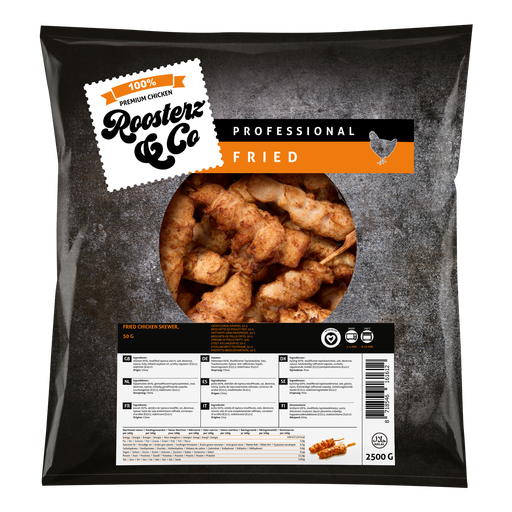 Image unavailable
Chicken skewers to consider as part of a meal you put together yourself.
The name indicates 50 g skewers in a 2.5 kg pack. Check how much you’ll serve and complete the meal according to what else you plan to include.
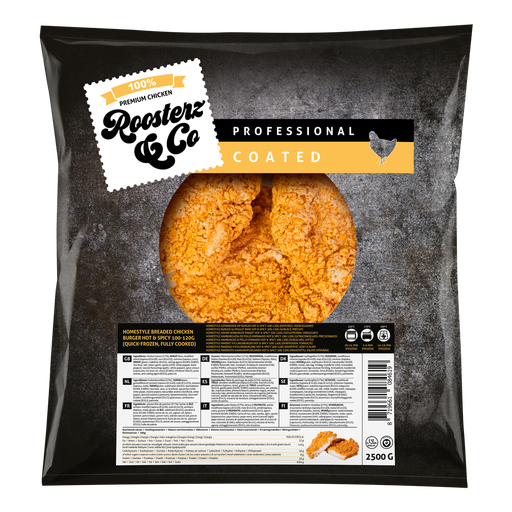 Image unavailable
This chicken burger is a good starting point for a meal where you choose the other ingredients.
The name indicates 110 g per burger and a 2.5 kg pack. Check the ingredients, allergens and protein content for the portion you serve.
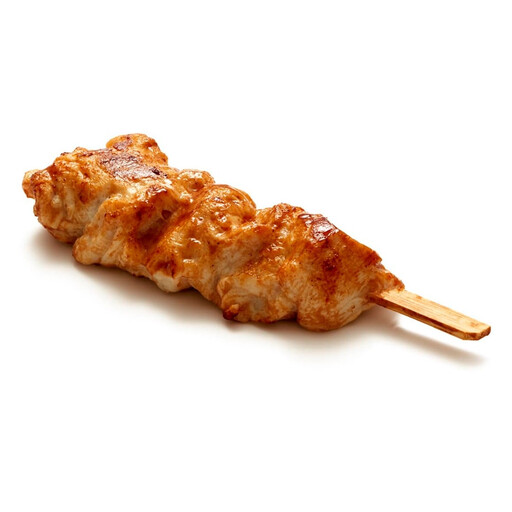 Image unavailable
These chicken skewers can be used as a component in a meal you put together yourself.
The name distinguishes the 100 g skewers from the 2.5 kg pack size. Check how much you’ll actually eat before using a protein value to work out what’s on your plate.
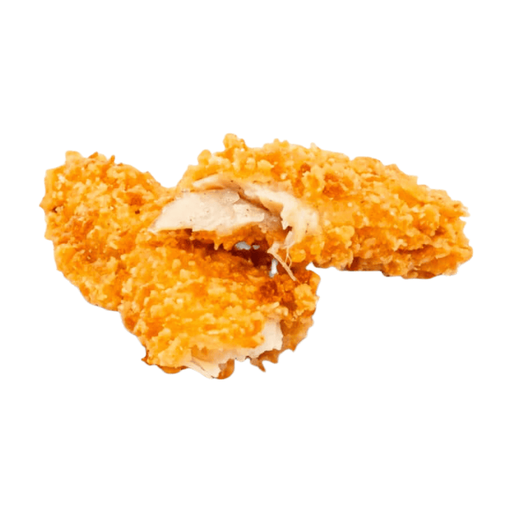 Image unavailable
These chicken pieces can be part of a meal you put together, for example as a topping.
The pack size is 2.5 kg. Check the allergens, preparation instructions and protein content for the amount you’ll eat.
Compare the protein content for the amount you’ll eat, then check the ingredients, allergens and preparation instructions. The nutrition information per 100 g makes it easier to compare different formats. Then check the weight of your portion to understand what’s on your plate.
No. Nutri-Score is a summary of nutritional information and doesn’t tell you how much protein is in your portion on its own. Check the nutrition information and ingredients list for the specific product you’re considering.
Not necessarily. The chicken skewers and burgers featured here are components for a meal you put together yourself. Their weight doesn’t tell you what else is on your plate or the total protein content of your meal.
Follow the storage and preparation instructions on the packaging. The Joybuy products featured here come with instructions not to refreeze them after defrosting. Anses reminds consumers that breaking the cold chain can encourage bacteria to grow.