Students with a small freezer
You need to fit the pack into a limited space and use the fish without unnecessarily defrosting the rest. The storage temperature and instructions for after defrosting are key.


For students moving into a new place, frozen mackerel fillets are an option if your accommodation can store them at the temperature stated on the packaging and you can cook them. Check how much freezer space you have, how many portions you can use and the cooking instructions. If you don’t have a suitable freezer, tinned mackerel avoids the need for frozen storage, but it isn’t a substitute for a raw frozen fillet in a recipe.
You need to fit the pack into a limited space and use the fish without unnecessarily defrosting the rest. The storage temperature and instructions for after defrosting are key.
You’re looking for fish that suits the appliances you have. The cooking methods and times given for the product matter just as much as the number of portions.
You want to know how many meals the pack will cover and whether you can take out individual pieces, rather than choosing a large pack without planning how you’ll use it.
Before choosing a pack size, check your freezer capacity, then consider how you’ll use the portions and cook the fish.
| Factor | What to check | Who it’s for |
|---|---|---|
| Portioning | Pack weight and whether you can take out individual pieces. | I want to split the fish across several meals without having to defrost the whole pack; around 42% of consumers prioritise portioning. |
| Space and storage | The compartment temperature and how much room the pack needs; follow the product’s storage instructions. | My compartment is small, and I need to be able to store the fish in the conditions stated; for around 33% of consumers, storage comes before other factors. |
| Preparation | The stated cooking methods and whether the fish needs to be defrosted before cooking. | With limited kitchen equipment, I’m looking for something I can prepare without an extra step; simplicity matters most to around 25% of consumers. |
The size of the compartment alone doesn’t tell you how long frozen food can be kept there. The temperature it reaches and the appliance’s instructions matter too.
Check its star rating and temperature before buying, then make sure the pack fits without disrupting how you store other items.
The listing for Carrefour Classic’ mackerel fillets says this product is unavailable. It describes a pack size, but that isn’t enough to plan a purchase at your local store.
Check availability at the store, on its Drive service or with the delivery service you plan to use.
Defrosting affects how you should handle any portions left over. The Ministry of Agriculture recommends not refreezing defrosted food.
If the packaging allows, take out only the amount you need and follow the instructions on the pack.
Picard’s listing features a 600 g pack of frozen mackerel fillets with the skin on, containing four fillets.
Carrefour lists a 500 g pack of frozen mackerel fillets with the skin on.
This frozen food retailer has a category that includes mackerel and offers several collection and delivery options.
This raw frozen mackerel is suitable for students who can store a 1 kg pack and want to cook the fish. It isn’t the bagged fillets featured above, so check the pack size and whether you can take out individual portions before choosing it.
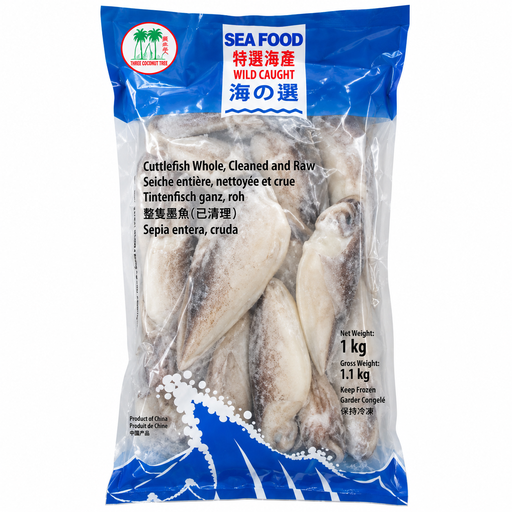 Image unavailable
This pack is a good fit if you have room to store 1 kg of frozen fish and plan to cook it. Check the packaging for instructions on taking out portions and preparing the fish; once defrosted, do not refreeze it.
It depends on the compartment’s star rating and temperature, not just its size. According to the Ministry of Agriculture, a two-star compartment at −12 °C can store frozen food for up to three weeks, while a three-star freezer at −18 °C can keep it until its best-before date. Also check the instructions for the product you buy.
Not necessarily: Picard gives several cooking methods for its skin-on mackerel fillets that don’t require defrosting. This applies to that particular product, so follow the instructions for the one you buy.
In particular, check how the fish is identified and the information about its production. For unprocessed fishery and aquaculture products, the DGCCRF says consumers must be given the commercial name, scientific name, production method, fishing area or country of farming, fishing gear used and whether the product has been defrosted. For a pre-packed product, check the information on its label.