People keeping an eye on fat
You want to compare the fat content of similar products without treating a ‘reduced fat’ claim as a summary of their nutritional information.


For a late-night snack, don’t choose a frozen meal based solely on a ‘reduced fat’ claim. Compare like-for-like products, checking saturated fat, salt and the portion you’ll eat too. A ready meal cuts down on preparation, while putting together a snack from plain frozen ingredients lets you choose what to add, but takes longer and means following the cooking instructions.
You want to compare the fat content of similar products without treating a ‘reduced fat’ claim as a summary of their nutritional information.
You’re looking for something frozen that’s easy to prepare and a portion that suits your appetite, while still being able to compare the labels.
You’re happy to prepare plain frozen ingredients so you can choose what to add, including any seasonings.
Worth considering: if reducing fat is your main priority and you can compare the meal with a similar recipe.
Bear in mind: this claim alone doesn’t tell you about salt, saturated fat or portion size.
Worth considering: if you’d prefer a meal that’s ready to heat.
Bear in mind: check the portion size and preparation instructions before you choose.
Worth considering: if you’d rather decide what to add yourself, for example by starting with plain frozen vegetables.
Bear in mind: putting the ingredients together and cooking them takes longer than simply reheating a meal.
To compare frozen foods for a late-night snack, start with your main priority, then compare the nutritional information of similar products.
| What to compare | What to check | Who it’s for |
|---|---|---|
| Fat | Compare the fat and saturated fat per 100 g in similar recipes, then take the values for the portion you’ll eat into account. | I want to keep fat intake down without relying on the word ‘reduced fat’ alone; around 40% of consumers would make this their top priority. |
| Salt and ingredients | Compare the salt per 100 g and read the ingredients list. If a Nutri-Score is shown, it can also help you compare similar products. | Lower fat isn’t enough for me if the recipe contains a lot of salt; around 30% of consumers would make this their priority. |
| Preparation and portion size | Check the number of portions, how much you plan to eat and the preparation instructions. | If I’m eating late, I’m mainly looking for a portion that suits my appetite and a preparation method that works for me; around 30% of consumers would put this need first. |
This claim alone doesn’t tell you how much salt or saturated fat a product contains, or how much you’ll eat.
Compare the values per 100 g for similar recipes, then check how they add up for your portion.
The information per 100 g doesn’t necessarily reflect the amount you plan to eat, particularly if it’s a sharing bag.
Check the pack weight and number of portions before deciding how much to prepare.
A product range name doesn’t tell you the nutritional values of every product in it.
Check the label of the product you choose, especially the fat, salt and ingredients.
Storage and defrosting also matter when choosing frozen food you can prepare late at night.
Follow the product instructions. Anses advises against refreezing food once it has been defrosted.
E.Leclerc offers a range of frozen products under its Eco+ brand.
Lidl has a section for frozen ready meals.
Aldi has sections that include frozen vegetables and ready meals.
Picard offers several ranges of frozen ready meals, including Snack Now, Formule Express, Plus d’équilibre and Tout bon tout veggie.
This product suits the option of putting together a snack using a plain frozen ingredient, rather than choosing an individual meal that’s ready to heat.
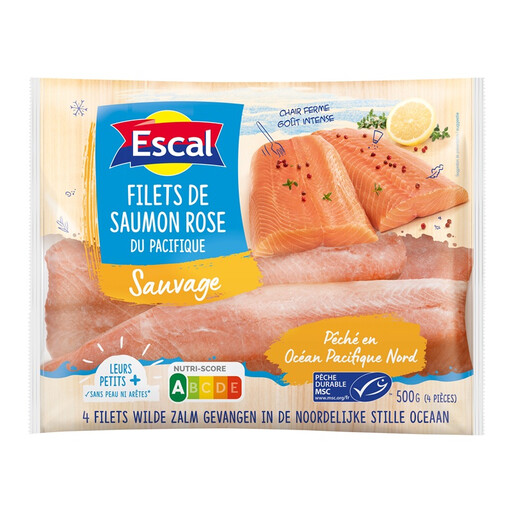 Image unavailable
These frozen fillets are a good choice if you’d like to put together your own snack and decide what to add. The pack contains 4 fillets, weighing 500 g in total, so check how much you plan to prepare. Allow time to defrost them in the fridge, then cook them thoroughly according to the product instructions. They’re not ready to eat straight away.
No. This claim isn’t enough to judge the meal as a whole. When comparing similar recipes, also check the saturated fat and salt per 100 g, then take your planned portion into account.
If it’s shown, the Nutri-Score can help you compare products in the same category. Its use is voluntary, and it doesn’t replace checking the ingredients, allergens or portion size.
Anses advises against refreezing food once it has been defrosted. Follow the pack instructions when preparing it. Depending on the product, you may need to defrost it in the fridge, use the defrost setting on your microwave or cook it straight from frozen.
Read the full ingredients list and check the allergens highlighted on the packaging of the specific product. Anses reminds consumers that substances or products that can cause allergies or intolerances must be declared in this list.