Hosts catering for a group
You want to make sure there’s enough food without buying too many packs. The net weight, stated number of portions and planned side dishes can help you work out how much you need.


If you’re hosting a group, a large-format frozen meal can form the basis of your spread, as long as there’s enough for everyone. Add sharing bites if you’d like to offer a wider choice of dishes. Individual portions give everyone more choice, but you’ll need to coordinate several dishes. Whatever you choose, check the ingredients, allergens and storage instructions for each product.
You want to make sure there’s enough food without buying too many packs. The net weight, stated number of portions and planned side dishes can help you work out how much you need.
You’d rather serve a selection of sharing dishes, such as gyozas, spring rolls, samosas or steamed bites, than offer just one main course.
You need to check the ingredients, allergens and nutritional information before choosing dishes for the evening.
First decide whether your meal will centre on a dish to share, a selection of bites or individual portions. Then adjust the quantities and cooking methods to suit the number of guests and the equipment you have available.
Consider this: when several guests are happy to share the same dish.
Bear in mind: check that the stated weight is enough for your group, taking side dishes into account.
Consider this: for a buffet-style spread featuring a selection of dishes.
Bear in mind: you may need several smaller packs to serve everyone.
Consider this: when guests would like different dishes.
Bear in mind: coordinate cooking methods and times before serving.
| Criterion | What to check | Guests concerned |
|---|---|---|
| Quantity per guest | Compare the net weight and stated number of portions with the number of guests and the side dishes you plan to serve. | If I’m hosting a group, I want to know how many packs to buy without preparing too much food. Around 42% of consumers would make quantity their top priority. |
| Variety to share | Count the pieces and check whether each pack includes sauces. | For a buffet-style spread, I’d like everyone to be able to try several dishes. Variety would be the main concern for around 25% of consumers. |
| Ingredients and nutrition | Read the ingredients list, check which allergens are highlighted and look at the nutritional values per 100 g. | Before choosing dishes, I need to check that they’re suitable for any dietary requirements guests have mentioned. This would be the top priority for around 17% of consumers. |
| Cooking and storage | Check the cooking methods, equipment needed and storage instructions for each product. | If I’m preparing several dishes, I want to plan how to cook them and put the frozen food away quickly after shopping. Around 16% of consumers would prioritise this ease of planning. |
A box of bites and a family-sized meal serve different purposes. The weight of a pack alone won’t tell you how many guests it will feed once you’ve added side dishes.
Decide how many people you’re catering for and plan your menu, then compare the stated quantity of each dish with what you intend to serve.
Products sold by weight and those sold by the piece won’t go round guests in the same way. Sauces may not be included.
Count the pieces, check what’s in each pack and, if needed, plan a main course or a side dish.
Two dishes with similar names can have different ingredients. For prepacked food, the French Directorate-General for Competition Policy, Consumer Affairs and Fraud Control reminds consumers that allergens must be highlighted in the ingredients list.
Check the label on each product before planning your menu, especially if a guest has told you about a dietary requirement.
Getting your shopping home is part of the cold chain. The French Directorate-General for Competition Policy, Consumer Affairs and Fraud Control advises consumers to take care until food has been put away.
Pick up frozen food last, use an insulated bag, head straight home and follow the storage instructions on the packaging.
The ranges and formats offered by these retailers may help you plan your meal. Check which products are available at the store where you intend to shop.
Its frozen ready meals range includes a ‘World Food’ section, with main courses and sharing bites.
The Eco+ range includes large-format frozen ready meals, while other product lines from the retailer offer world-food dishes.
Its frozen ‘World Food’ range brings together specialities from several regions, as well as sharing bites and complete meals.
Its ‘World Food’ category includes sharing bites, main courses, side dishes and desserts.
ALDI has a frozen food range that includes ready meals.
The ready meals category featured by Lidl France covers chilled dishes.
These two products could be part of an Asian-inspired selection to share. Check how much you’ll need, along with the allergens and preparation instructions for each product.
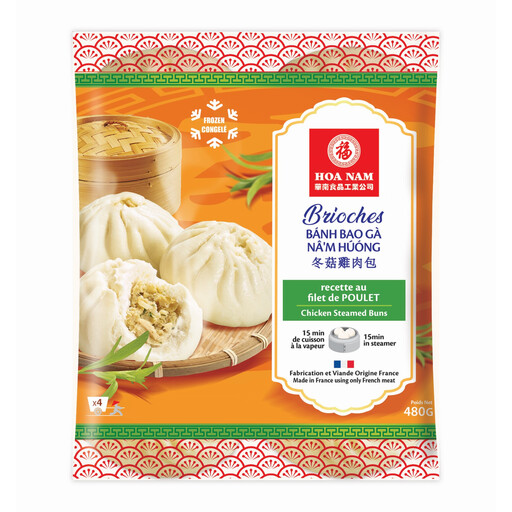 Image unavailable
This pack contains 4 pieces weighing 480 g, making it a good option for an Asian-inspired selection of sharing bites. Check the allergens and cooking instructions on the packaging before planning when to serve them.
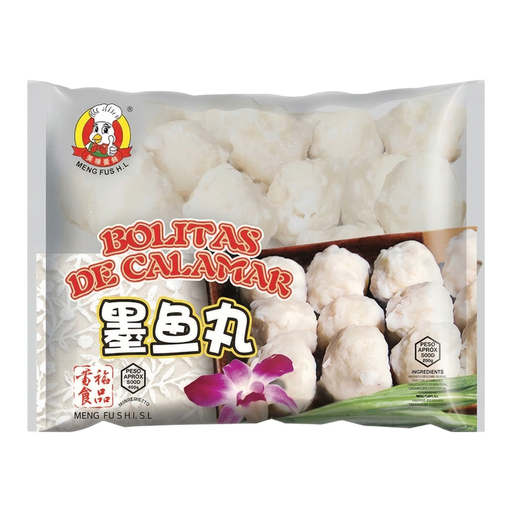 Image unavailable
These 360 g squid balls can round off a sharing meal, especially alongside soup or an Asian-style hotpot. Check the number of pieces, allergens and cooking instructions before adding them to your menu.
Start with the net weight and stated number of portions, then factor in the number of guests and the side dishes you plan to serve. For sharing bites, count the pieces too: a pack to share won’t automatically provide a portion for every guest.
Check the packaging of each prepacked product: allergens are highlighted in the ingredients list. The nutrition declaration lets you compare values per 100 g, as the French Directorate-General for Competition Policy, Consumer Affairs and Fraud Control explains. Any Nutri-Score shown is no substitute for reading this information.
Pick it up last when you’re shopping, carry it in an insulated bag and put it away promptly, following the temperatures shown on the packaging. This helps maintain the cold chain, which the French Directorate-General for Competition Policy, Consumer Affairs and Fraud Control advises consumers to protect right through to the plate.