Hosts catering for a group
You’ll need enough portions for the number of people you’re expecting. If you’re serving a sharing dish, check the portions shown on the pack: the weight alone won’t tell you how many people it will feed.


For a street market meal, start by considering how many people you’re catering for, what cooking equipment is available and whether anyone has dietary requirements. A sharing dish can make serving easier, while several smaller options let you offer more variety – just check the number of portions and how each one needs to be prepared. Then compare dishes intended for the same purpose by looking at their ingredients, allergens and nutrition information, rather than relying on the word ‘premium’ alone.
You’ll need enough portions for the number of people you’re expecting. If you’re serving a sharing dish, check the portions shown on the pack: the weight alone won’t tell you how many people it will feed.
You want a recipe that’s right for a special meal. The ingredients list, the quantity of any highlighted ingredient (if stated) and the preparation instructions tell you more than the word ‘premium’ on its own.
You’ll need to balance preparation time with the equipment available, while keeping the food cold during the journey. Check how each product needs to be cooked before planning your menu.
Where you shop can influence the recipes and formats available, but the packaging of the product you choose is what lets you check the portions, ingredients and preparation instructions.
Worth considering: if you want to put together a meal using different recipes and formats, including sharing dishes.
Check: the portions and preparation instructions for each product, especially if you’re serving several dishes together.
Worth considering: if you want to choose between individual portions and family-sized dishes while doing the rest of your shopping.
Check: the range at your chosen store and the number of portions actually stated.
Worth considering: if you’re happy to adapt your menu to the products available.
Check: that the product is in stock and, if it’s advertised for a specific period, the dates of the promotion.
| What to check | Points to consider | What matters to shoppers |
|---|---|---|
| Portions and format | Compare the net weight with the stated number of portions, and take any other dishes into account. | If I’m hosting a group, I want to make sure there’s enough to go round without choosing the wrong size. Getting the quantity right would be the main concern for around 31 % of consumers. |
| Recipe and ingredients | Read the ingredients list and, if stated on the pack, check the quantity of any highlighted ingredient. | For this special meal, I’d rather judge the recipe by its ingredients than by a flattering claim. Around 31 % of consumers would put their choice of recipe first. |
| Allergens and nutrition information | Check the highlighted allergens and compare the nutrition information for products in the same category, particularly per 100 g. | Before serving the dish, I need to know about any allergens and be able to read its nutrition information. These details would be a priority for around 23 % of consumers. |
| Preparation and transport | Check the cooking and storage instructions, as well as whether your chosen product is available. | I need to be able to prepare the dishes with the equipment I have and keep them cold until they’re put away. Around 15 % of consumers would prioritise this kind of planning. |
The word alone doesn’t tell you which ingredients the dish contains, how many portions it serves or which allergens are present.
When comparing two recipes for the same purpose, check the ingredients, allergens, net weight and preparation instructions. The DGCCRF reminds shoppers that allergenic ingredients must be listed and clearly highlighted.
A large pack won’t automatically serve the number of people you’re expecting: the recipe and any side dishes affect how it can be served.
Check the stated number of portions for each dish, then divide them up if you’re serving several recipes.
Choosing the wrong size could leave you with too much food or mean you need an extra dish.
Some products advertised by Lidl are available only during specific promotional periods, so don’t assume they’ll be in stock on the day you shop.
Check the product, store and dates before finalising your menu, and have another recipe in mind that suits your cooking equipment.
A long journey home or putting your shopping away late can make it harder to follow the storage instructions on the packaging.
The DGCCRF recommends using an insulated bag when buying frozen food. Pick it up last, head home straight away and follow the storage instructions on the product.
A frozen food specialist offering prepared dishes in individual portions as well as recipes to share.
The range includes separate categories for sharing dishes and individual meals.
The retailer’s range includes prepared frozen dishes in 1 kg packs.
The range separates individual and family-sized dishes, and includes a filter by number of portions.
The retailer offers prepared frozen dishes, some of which are advertised for specific periods.
The retailer has a frozen food range for everyday meals as well as special occasions.
These soups, bites and individual portions could be part of a meal with several different dishes. For a street market, check how many portions each pack contains before planning to serve a group; these formats shouldn’t be treated as family-sized dishes.
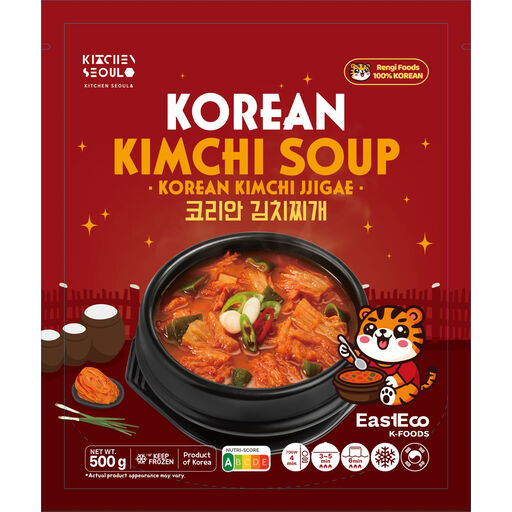 Image unavailable
This soup could be served as a starter or as part of the meal. The pack contains 500 g; check the number of portions, preparation instructions and allergens on the packaging before serving.
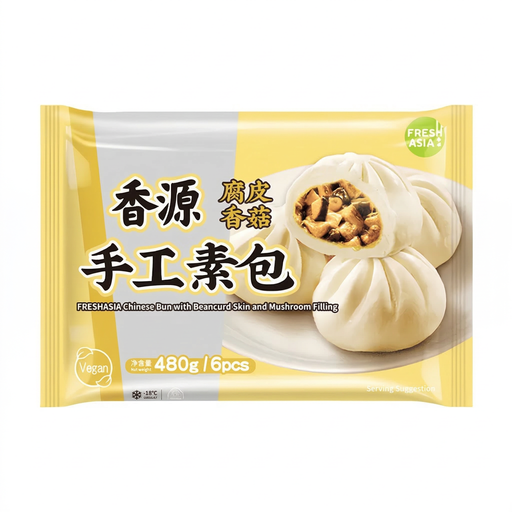 Image unavailable
These buns could complement a meal with several dishes if steaming fits your plans. The pack weighs 480 g; check the number of pieces and portions, as well as the allergens, before planning how to serve them.
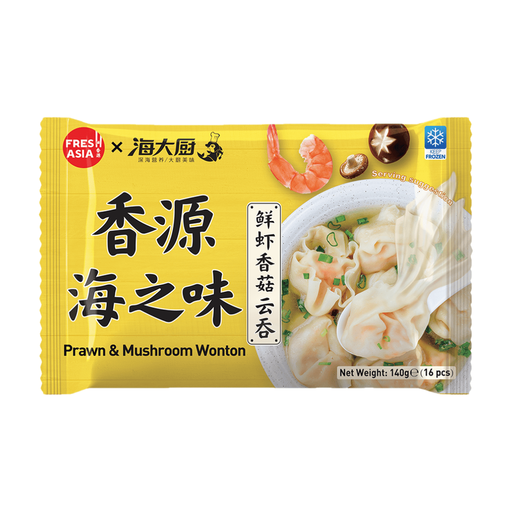 Image unavailable
These wontons, served with a broth base, could make a good starter. The pack weighs 140 g; check the number of pieces and portions, as well as the allergens, before buying enough for a group.
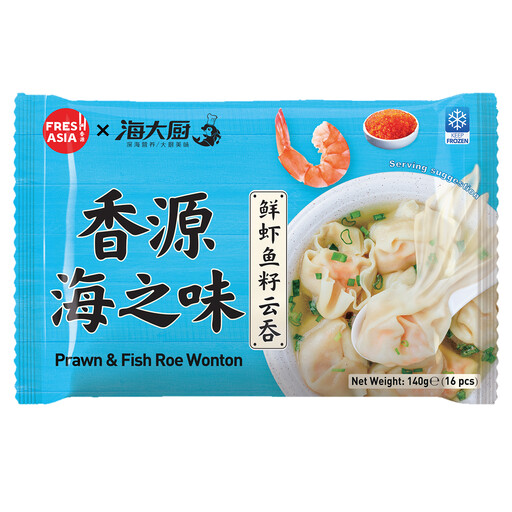 Image unavailable
These wontons, served with a broth base, could be part of a multi-course meal. The pack weighs 140 g; check the number of pieces, portions and allergens for this variety on the packaging.
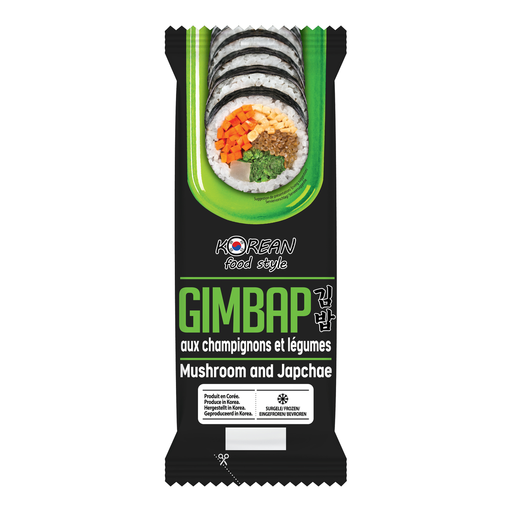 Image unavailable
This gimbap could be served as an individual portion as part of a meal with several dishes. The pack weighs 230 g; check the number of portions, defrosting instructions and allergens before adding it to your menu.
Use it to compare products from the same aisle or category, as recommended by Santé publique France. It’s voluntary, so whether or not a product displays it, remember to check the ingredients and nutrition information for each dish too.
Check the portions, net weight, ingredients, allergens and preparation instructions for the exact product. The DGCCRF says allergenic ingredients must be listed and clearly highlighted; don’t assume they’re absent just from the name of the recipe.
Pick them up last and put them away promptly, following the storage instructions on the packaging. The DGCCRF recommends using an insulated bag to transport frozen food.
Check RappelConso and compare the product, batch and relevant dates with yours before serving it. The DGCCRF describes RappelConso as the official platform for publishing product alerts, withdrawals and recalls.
Yes, as long as you confirm the dates and availability at the store where you’ll be shopping. Some products advertised by Lidl are tied to specific promotional periods, so have another recipe in mind in case your chosen product isn’t available.