To round off mussels and chips without adding another full dish, plain frozen vegetables let you choose the seasoning and serving size. A seasoned vegetable mix makes preparation easier, while a single-portion ready meal is better suited to someone who needs a separate meal. In either case, compare the nutritional values per 100 g, then factor in the portion you’ll actually serve and the ingredients.
Who are these options for?
Guests who want to tailor their side dish
If chips are already part of the meal, you can choose a frozen vegetable and decide how much to serve and how to season it. The nutritional information per 100 g can then help you assess the portion you serve.
Hosts looking to make serving easier
A frozen vegetable mix or prepared dish can fit into your dinner plans without having to prepare every ingredient separately. Check the cooking instructions, ingredients and pack size before adding it to your mussels and chips.
Guests who need to check for allergens
When your meal already includes shellfish, it’s important to check what’s in each side dish too. Read the allergens listed on the packaging, especially for recipes with a sauce or seasoning.
What should you look at?
First decide whether the frozen food will be a side dish for your mussels and chips or a separate meal for one of your guests. Then compare like-for-like recipes: Manger Bouger explains that the nutrition table shows information such as energy, fat and salt per 100 g.
Plain vegetables
Choose these if: you want to decide for yourself how to season them and how much to serve alongside the mussels and chips.
Bear in mind: you’ll need to cook and season them yourself.
Seasoned vegetable mix
Choose this if: you’d prefer a vegetable side that’s already prepared for cooking.
The trade-off: the oil, sauces and salt will depend on the recipe.
Single-portion ready meal
Choose this if: one of your guests needs a separate meal rather than a side dish.
Worth noting: a single-portion pack doesn’t, on its own, tell you how much energy the portion provides.
| What to consider |
What to check |
Who is it for? |
| Energy and portion size |
Compare the kcal per 100 g of products intended for the same purpose, then work out how they relate to the amount you’ll serve. |
I want to add a side dish without losing sight of how much space the chips take up on my plate. Around 36% of consumers would prioritise the energy in a portion. |
| Ease of serving |
Check the pack size and cooking instructions to plan how you’ll serve the meal. |
Mussels and chips already need attention in the kitchen, so I’m looking for something simple to serve. Convenience would be the top priority for around 29% of consumers. |
| Ingredients |
Read the ingredients and allergen information; compare the fat and salt per 100 g. |
If I’m serving a dish with a sauce, or one of my guests needs to avoid an ingredient, I need to know exactly what it contains. Around 21% of consumers would put this check first. |
| Storage |
Check you have enough freezer space, and look at the pack size and storage and defrosting instructions. |
I want to be able to transport and store the frozen food properly, while choosing an amount that suits the number of guests. This would be the main priority for around 14% of consumers. |
Mistakes to avoid
-
Assuming that ‘vegetables’ means a low-calorie recipe
A vegetable mix may contain oils, sauces or other ingredients that change its nutritional values compared with those of a plain vegetable.
Compare similar recipes by looking at their kcal, fat and salt per 100 g, then check the ingredients.
-
Forgetting how much you’ll actually serve
Values per 100 g are a useful basis for comparison, but they won’t necessarily match what’s on your plate.
To work out the energy in your portion, multiply the kcal shown per 100 g by the number of grams you’ll serve, then divide by 100.
-
Relying on the Nutri-Score alone
According to the Ministry of Health, Nutri-Score provides a summary of a food’s overall nutritional quality. On its own, it doesn’t tell you about allergens or the energy in the portion you plan to serve.
To compare similar products, also check the nutrition table and ingredients list.
-
Neglecting the cold chain
Choosing a nutritious option doesn’t replace the precautions you need to take when transporting and storing frozen food.
Anses advises picking up frozen food at the end of your shopping trip, keeping transport time to a minimum and following suitable defrosting methods. Don’t refreeze food once it has been defrosted.
Supermarkets and brands to know
Carrefour
Carrefour offers a range of frozen ready meals, including single-portion, sharing and vegetarian options.
- Different pack sizes make it easier to look for either a side dish or a separate meal.
- A vegetable mix and a ready meal serve different purposes, so check the recipe and portion size before comparing them.
Auchan
Auchan’s frozen vegetable range includes individual vegetables, mixed vegetables and prepared dishes such as vegetable mixes and gratins.
- Plain vegetables let you choose how to season them.
- Check the ingredients and nutritional values of each prepared dish individually.
Picard
Picard offers frozen ready meals, including single-portion and sharing options.
- A single-portion pack may suit a guest who needs a separate meal.
- The words ‘ready meal’ don’t tell you about the energy or ingredients in a particular recipe.
E.Leclerc / Marque Repère
E.Leclerc DRIVE lists frozen food categories that include vegetables and chips.
- The drive service lets you group together the items you need for dinner.
- Check which products are available through your chosen drive before planning to buy a particular item.
Lidl
Lidl France lists frozen food categories that include ready meals, pizzas and snacks.
- These categories can help you find something that’s ready to prepare.
- To find a recipe that suits your meal, check the ingredients, portion size and nutritional values on the packaging.
Frozen vegetables to serve with your meal
These Joybuy products are frozen vegetables to consider as sides for mussels and chips: the first three are individual vegetables or a vegetable mix, while the last two are cream-based dishes. The pack size shown for each product can help you decide how much to buy; check the label to compare portions and nutritional values.
 Image unavailable
BONDUELLE Extra-Fine Green Beans 750 g
Frozen green beans to serve as a side, seasoned just the way you like them.
750 g pack; adjust the amount you cook to suit the number of guests.
View on Joybuy
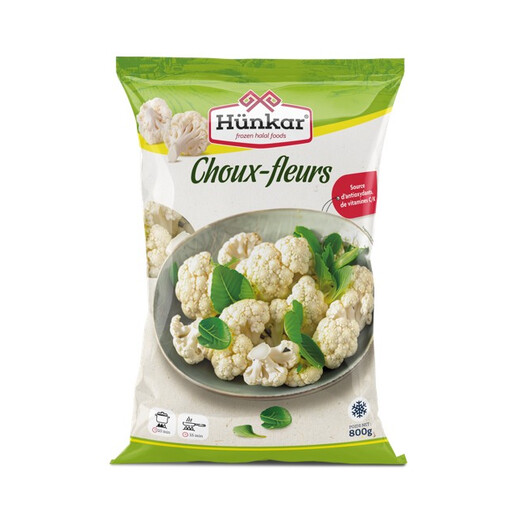 Image unavailable
HÜNKAR Cauliflower 800 g
Frozen cauliflower for when you’d prefer to prepare and season the side dish yourself.
800 g pack; check the cooking instructions on the packaging before preparing the amount you need.
View on Joybuy
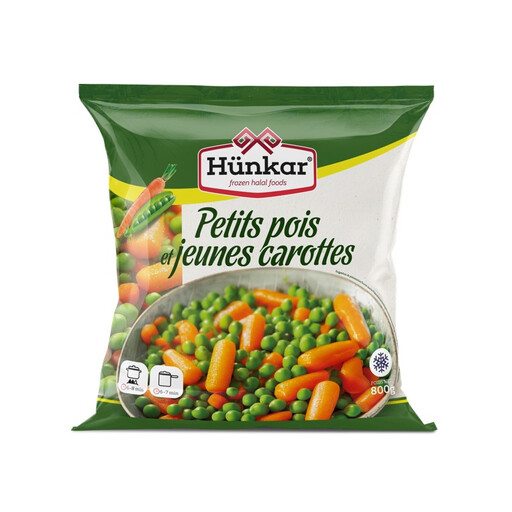 Image unavailable
HÜNKAR Peas and Baby Carrots 800 g
A mix of two vegetables to consider if you’d like to serve a side that’s different from the chips.
800 g pack; check the cooking instructions and decide how much to serve.
View on Joybuy
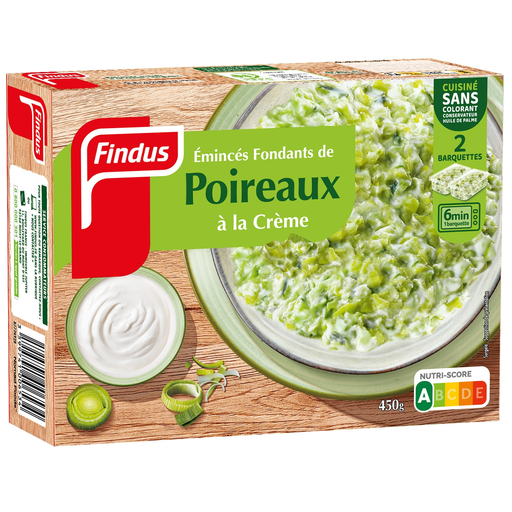 Image unavailable
FINDUS Leeks in Cream Sauce 450 g
A creamy leek dish for anyone who’d prefer a side that’s already seasoned.
450 g pack; before serving, check the ingredients, allergens and nutritional values for the portion you plan to serve.
View on Joybuy
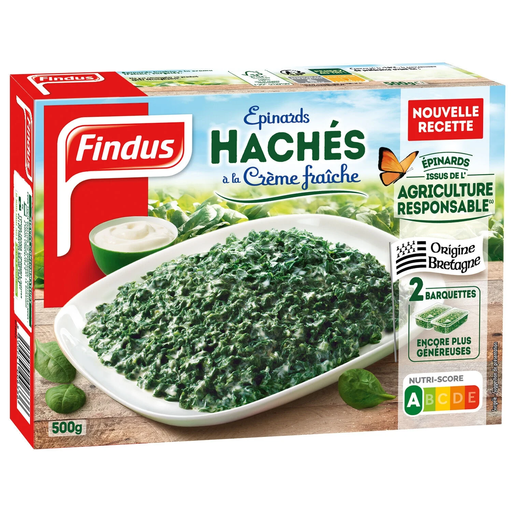 Image unavailable
FINDUS Chopped Spinach in Cream Sauce 500 g
Creamed spinach to consider if you’re looking for a prepared side rather than plain vegetables.
500 g pack; check the packaging for the ingredients, allergens and nutritional values for the amount you’ll serve.
View on Joybuy
Frequently asked questions
Is Nutri-Score enough to choose a low-calorie side dish?
No. Nutri-Score gives you an idea of a food’s overall nutritional quality, not the energy in the portion you’ll serve. To compare similar side dishes, also check the kcal per 100 g and the weight of the portion you plan to put on your plate.
What should I check if one of my guests needs to avoid an allergen?
Read the ingredients list and allergen information on the packaging of each frozen product. The dish name or its Nutri-Score won’t tell you exactly what’s in a sauce or seasoning.
How should I transport and defrost frozen food after shopping?
Pick up frozen food at the end of your shopping trip and keep transport time to a minimum. Anses also advises using an insulated bag. To defrost food, Anses recommends using the fridge, the defrost setting on a microwave, or cooking or reheating it quickly. Use defrosted food promptly and don’t refreeze it.


