Hosts of a drinks party where guests mingle
If guests will be eating standing up or arriving in small groups, sharing bites let you offer a range of dishes without having to serve everything at once.


For an evening where guests mingle or arrive at different times, choose frozen bites to share. For a meal served all at once, consider family-sized dishes; and if guests have different preferences, opt for individual portions. Whatever the format, compare the quantities shown, ingredients, allergens and preparation instructions, then plan how to keep everything frozen until it’s time to cook.
If guests will be eating standing up or arriving in small groups, sharing bites let you offer a range of dishes without having to serve everything at once.
If everyone will eat at the same time, a sharing dish can make serving easier, provided you can cook it and have checked the number of portions stated.
If guests have dietary preferences or restrictions, check every label. A product category or recipe name alone won’t tell you what it contains or which allergens it includes.
First decide whether you’re serving a buffet or a meal for everyone to share. Then check what you can prepare with the equipment you have and how you’ll keep it frozen until cooking.
| Criterion | What to check | Who it matters to |
|---|---|---|
| Variety and sharing | Number of pieces and net weight; what you can prepare with the equipment available. | If my guests arrive at different times, I want to offer a range of bites without insisting on a set mealtime. Around 36 % of consumers would put this flexibility for sharing first. |
| An easy meal to serve | Number of portions stated and cooking instructions for the dish you choose. | For a meal eaten together, I’d rather serve one shared dish than coordinate several batches. This simplicity would be the priority for around 28 % of consumers. |
| Dietary choices | Ingredients and allergens for each product; nutritional information and Nutri-Score, where shown on the product. | When guests have different dietary needs, I need to be able to check each recipe before putting together the menu. Around 18 % of consumers would rank this check as their top priority. |
| Keeping food frozen | Freezer space, transport conditions and the storage temperature shown on the packaging. | If the party is after a journey or a delivery, I need to plan where to store the frozen food before preparing it. For around 18 % of consumers, this would be the priority. |
Festive packaging or a product range name won’t, by itself, tell you about the recipe, how many people it serves or whether it suits your guests’ needs.
Decide what matters to you before you buy: type of dish, ingredients, format, portions stated and preparation required.
Different products may need different preparation methods, which can be tricky to coordinate just before serving.
Read the instructions on each pack and choose a selection that works with your equipment and the time you have.
The DGCCRF warns that a rise in temperature speeds up microbial growth and can make food unsafe.
Plan how to transport and store frozen food, then follow the storage and preparation instructions on the packaging.
These retailers offer different categories of frozen food that can help you put together a buffet or a sit-down meal. Compare the products themselves rather than assuming anything about their ingredients or quality from the retailer’s name.
Picard offers frozen bites, canapés and mini puff pastries for putting together a selection of party nibbles.
Carrefour has categories including ready meals to share, individual portions and frozen plant-based dishes.
Auchan offers frozen party nibbles, savoury bites, ready meals, and family-sized or individual portions.
E.Leclerc offers larger packs in its frozen ready meal ranges.
Lidl offers categories of frozen ready meals and snacks, including gyoza to heat up.
ALDI’s frozen food categories include ready meals, pizzas, desserts and vegetables.
These products are suited to a buffet of sharing bites or, in the case of the gua bao, a platter with fillings you prepare yourself. They aren’t a substitute for choosing a family-sized dish if you’re planning a sit-down meal.
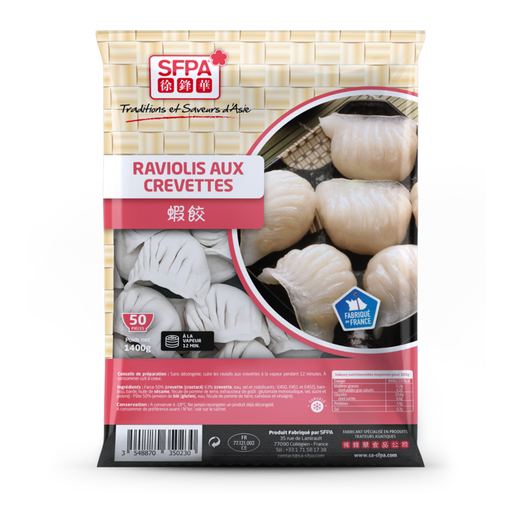 Image unavailable
The 50-piece pack can be shared around at a buffet. Check the allergens and cooking instructions on the packaging before planning how to serve them.
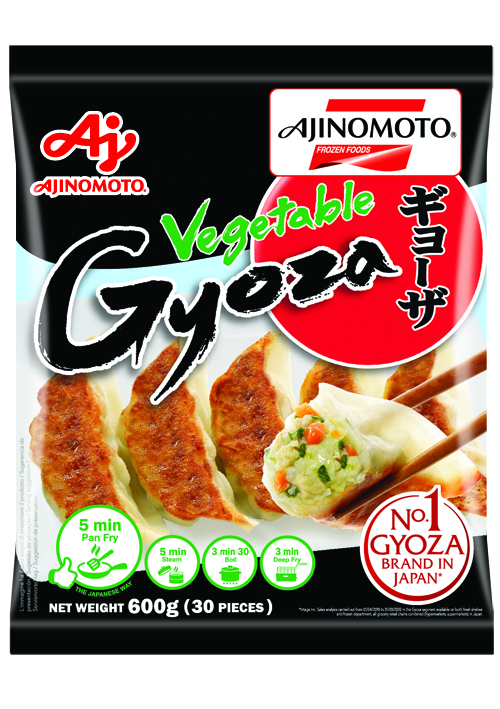 Image unavailable
These gyoza can add to a selection of party bites. To work out how many to serve, check the number of pieces. Also read the ingredients list, allergens and cooking instructions.
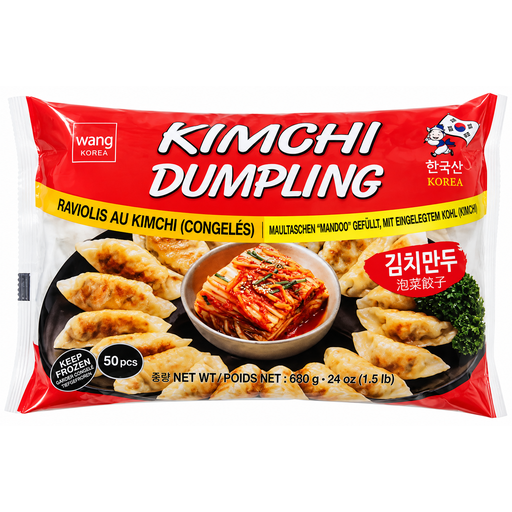 Image unavailable
These kimchi dumplings are a good fit for a selection of bites if your guests enjoy this recipe. Check the packaging to estimate the number of pieces, plan the cooking and check for allergens.
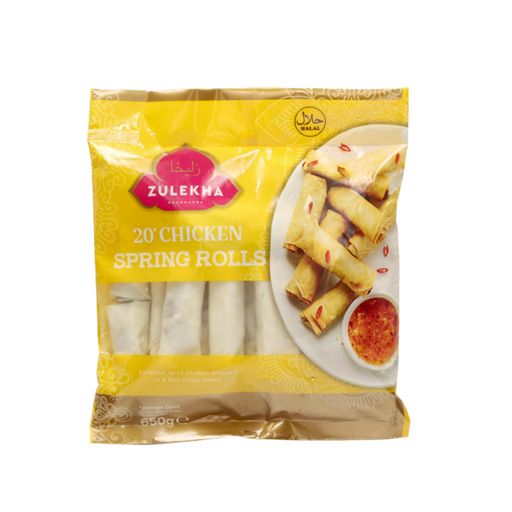 Image unavailable
The 20 pieces make it easy to plan how many bites to serve at a buffet. Check the packaging for ingredients, allergens and cooking instructions before adding them to your menu.
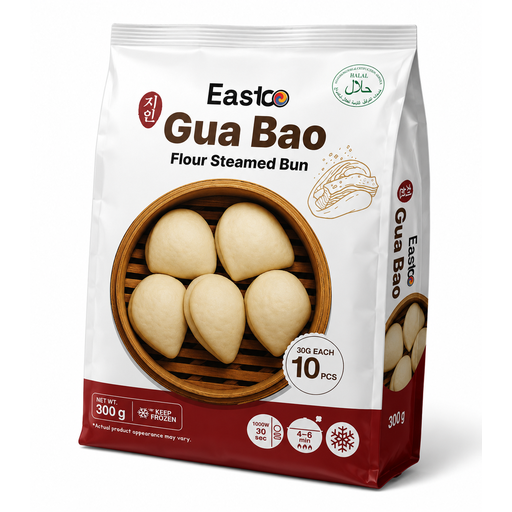 Image unavailable
These buns can be the base for a platter of bites, but you’ll need to plan the fillings and prepare them. Check the ingredients, allergens and instructions on the packaging.
Choose bites if guests will be mingling or eating at different times; a sharing dish is better suited to a meal served all at once. Either way, check the quantity stated and what you’ll need to prepare the products.
No. The Nutri-Score is a guide to nutritional information, not an indication of taste, format or product range. The Ministry of Health presents it as a way to compare products. You should also check the ingredients and the portion you plan to serve.
Plan how you’ll transport and store it in the cold before you buy, then follow the storage temperature shown on the packaging. If your journey calls for it, use suitable insulated equipment and put the products away promptly.
No. Check the ingredients, allergens and claims on the label of the specific product. A category name can help you find a product, but it isn’t enough to confirm that it meets everyone’s dietary needs.