For a Christmas meal where you want to keep portions under control, choose an individual meal if you’d like a pre-portioned starting point, or put your plate together using plain frozen ingredients if you’d rather decide on the ingredients and quantities yourself. A large pack may suit several guests, as long as you plan the portions before serving. Either way, compare the nutritional values with the amount actually served rather than relying on the Nutri-Score alone.
Who are these options for?
Guests keeping an eye on portion sizes
If you want to know how much you’ll be serving, an individual tray can make it easier to check the weight. However, check the nutritional values for that amount: the Nutri-Score alone won’t tell you how many calories are on your plate.
Hosts putting the menu together
If you want to choose the vegetables, side dish and sauce separately, plain frozen vegetables and fish mentioned by Manger Bouger can provide a starting point. Remember to factor in any extras and portion sizes.
People serving several guests
For a sharing dish, start with the number of people at the table, then check the net weight, the number of portions stated and the ingredients. A family-sized pack alone won’t tell you how much each person will be served.
What should you check before buying?
Individual ready meal
Worth considering: if you want a pre-portioned starting point for one person.
Keep in mind: the weight of the tray alone won’t tell you whether the recipe suits the amount you want to serve.
A plate you put together yourself
Worth considering: if you’d rather portion the vegetables, other ingredients and sauce separately.
Keep in mind: this option takes some preparation, and you’ll need to factor in all the ingredients you add.
Large pack to share
Worth considering: if you know how many guests are coming and can plan the portions before serving.
Keep in mind: the total weight doesn’t determine how much each person will receive.
| What to consider | What to check | Who is it for? |
|---|
| Calories and portion size |
The kcal per 100 g and the weight you plan to serve, including sauces and side dishes. |
I want to know what my portion will look like on the plate, rather than just compare two labels per 100 g. Around 42% of consumers are said to prioritise portion control. |
| What’s in the meal |
The ingredients list and nutritional information, particularly salt, sugars and saturated fatty acids. Compare the Nutri-Scores of similar products when shown. |
If I’m preparing the menu, I want to choose the ingredients and look beyond calories. Around 33% of consumers are said to put balanced ingredients first. |
| Serving and preparation |
The net weight, the number of portions stated, and the preparation and storage instructions. |
When I’m serving several people, I need to plan enough portions and organise the preparation. Around 25% of consumers are said to prioritise this planning. |
Mistakes to avoid
-
Assuming a good Nutri-Score means a low-calorie portion
According to Santé publique France, the Nutri-Score is a simplified nutritional guide, and displaying it is voluntary. It doesn’t tell you how many kcal are in the amount you’ll eat.
For similar meals, also check the kcal per 100 g, the weight you’ll serve and any other nutritional values that matter to you.
-
Comparing only the values per 100 g
An individual tray and a sharing dish can result in very different amounts on your plate, even when their labels use the same basis for comparison.
Before buying, compare the values per 100 g with the weight of the portion you plan to serve, and factor in any side dishes you add.
-
Planning your menu around a product you’ve only spotted once
A product you find in a limited-time selection may not be available when you do your shopping.
Check that it’s available, and read its label in the shop where you plan to buy it, before finalising your menu.
A last-minute substitute may mean changing your preparation or the portions you had planned.
-
Overlooking the journey from the shop to your freezer
The DGCCRF advises that a rise in temperature speeds up microbial growth and can make food unsafe.
Pick up frozen food at the end of your shop, keep the journey home as short as possible and follow the storage instructions on the packaging.
Retailers to consider
Picard
On its website, Picard lists Nutri-Score A and B categories, as well as a “More balanced range”.
- These categories can help you find recipes to compare.
- The range name won’t tell you how many kcal are in the portion you choose, so read the details for each meal.
Carrefour
Carrefour describes the Nutri-Score as a guide available on some product pages.
- The score shown can help you compare products in the same category.
- Carrefour says that whether it’s displayed depends on the information provided by the supplier. The absence of a logo doesn’t tell you anything about the recipe.
E.Leclerc
Marque Repère meals come in different sizes, which can help you work out how many portions to serve.
- The net weight helps you compare the quantities you’re planning for your meal.
- A larger pack doesn’t tell you how much will actually be served or its nutritional composition.
Auchan
Auchan’s frozen ready meals category includes both individual and family-sized options.
- Pack size information can help you plan how to serve the meal based on the number of guests.
- Check the recipe and planned portion for each product rather than assuming its nutritional values from the pack size.
Lidl
Lidl offers selections of frozen ready meals, which may only be on sale for a limited time.
- You can consider an available product for your menu after checking its packaging.
- Check when it’s on sale and whether it’s available at your local shop before planning to serve it at Christmas.
ALDI
ALDI separates vegetables from pizzas and ready meals in its frozen food section.
- This distinction can help you look for either ingredients to put together or a meal that’s ready prepared.
- The category doesn’t replace checking the ingredients, portion sizes and nutritional values of the product you choose.
Joybuy products to go with your meal
These products suit two different ways of complementing a meal: a frozen bun to prepare, and a wakame salad that could be served as a starter or side dish. Compare the quantities with the portions you’re planning; neither product on its own covers all the menu options discussed above.
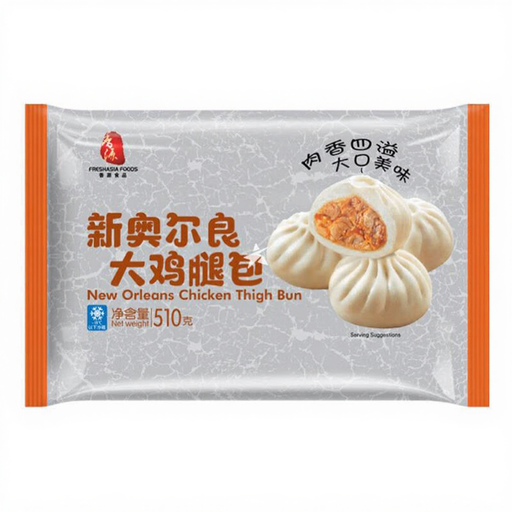 Image unavailable
FRESHASIA New Orleans Chicken Thigh Bun, 510 g
Worth considering if you’re looking for a bun to prepare as part of your meal. The pack weighs 510 g, so decide how much you’ll serve before comparing the nutritional values for your portion.
The product information lists wheat (gluten) and soya; check the allergen information for your guests.
View on Joybuy
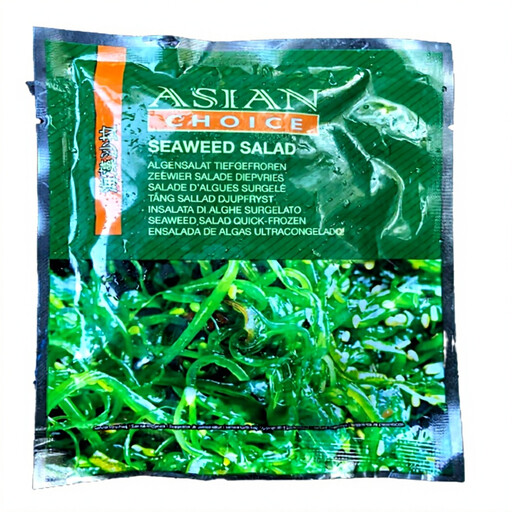 Image unavailable
Asian Choice Wakame Salad, 100 g
This salad could work as a starter or side dish rather than a complete meal. The tray weighs 100 g; how much you eat will depend on how you share it.
The product information lists sesame; check the allergen information before serving.
View on Joybuy
Frequently asked questions
Is the Nutri-Score enough to choose a frozen meal based on its calories?
No. The Nutri-Score doesn’t tell you how many calories are in the portion you’ll serve. To compare two meals, check the kcal per 100 g, then the weight you plan to put on the plate. Also look at any other nutritional information that matters to you.
Does every frozen meal have to display the Nutri-Score?
No. Santé publique France says that producers can display this logo voluntarily. If you don’t see it, use the product’s nutritional information and ingredients list to continue comparing.
Family-sized meal or individual portions: what should you choose for Christmas?
A family-sized meal can work if you can plan the number of portions based on its net weight and the information on the packaging. Individual portions give you a pre-portioned starting point for each guest, but you should still check the recipe and the amount actually served.
How do you work out the values per 100 g for a portion you’re serving?
Start with the weight of the portion you plan to serve, then apply the values shown per 100 g to that amount. Also factor in any sauce or side dishes you add separately.
How should you bring frozen food home?
Keep it out of the cold for as little time as possible and follow the storage instructions on the packaging. The DGCCRF points out that a rise in temperature speeds up microbial growth. Picking up frozen food at the end of your shop helps maintain the cold chain on the way home.


