Hosts keeping an eye on calories per portion
You want to compare what each bite actually contains. Check the kcal per 100 g, then the weight of the portion you’ll serve. Two recipes in the same format can have different nutritional values.


To put together a christening buffet using frozen food while keeping an eye on calories, compare the kcal per 100 g with the portion you’ll serve. Then choose between vegetables you’ll need to prepare and ready-shaped bites, depending on how much time you have. A small portion or a recipe containing vegetables doesn’t necessarily mean fewer calories: check the ingredients, allergens and cooking instructions for each product too.
You want to compare what each bite actually contains. Check the kcal per 100 g, then the weight of the portion you’ll serve. Two recipes in the same format can have different nutritional values.
You need to be able to identify the ingredients and allergens in every dish. Keeping the packaging and clearly labelling each recipe when serving makes it easier to answer guests’ questions.
You’re looking for products that are easy to cook and serve with the equipment you have. The number of portions, the space available for cooking and how to store the food all matter just as much as how it looks.
First, decide whether you’d rather cook and plate the vegetables yourself or serve ready-shaped portions. Then compare products individually: their format doesn’t determine their calorie content or allergens.
| What to check | Points to consider | Who this matters to |
|---|---|---|
| Calories per serving | Compare the kcal per 100 g, then check the weight of the portion you actually plan to serve. | I want to offer bites without relying on the word ‘vegetables’ or their small size alone. Around 36% of consumers would put keeping calories in check first. |
| Allergens and ingredients | Read the ingredients and allergen information for the product you’re buying; keep its packaging for serving. | Guests have told me about their dietary requirements, so I need to be able to identify each recipe. Around 29% of consumers would put the suitability of the dishes first. |
| Cooking and storage | Check the storage instructions, cooking time and capacity of your oven or other appliance. | If several dishes need to be served at once, I want to make sure preparing them won’t take more time or space than I have. Around 21% of consumers would prioritise this. |
| Vegetable variety | Compare the vegetables and other ingredients in each recipe, as well as how you could present them on the buffet. | I’d like to serve a variety of vegetable dishes rather than just one side. Around 14% of consumers would put variety first. |
The recipe matters just as much as the vegetable listed. Picard states that its mini vegetable gratins contain 91 kcal per 100 g, while its mini dauphinoise potato gratins contain 123 kcal per 100 g. These figures apply only to those two products.
Compare kcal on the same 100 g basis, then check the portion size and ingredients.
The size of a bite tells you nothing about what’s in it. Picard’s mini vegetable gratins, for example, contain milk and egg.
Ask guests about their dietary requirements before you buy, keep the packaging and label the dishes separately when serving.
Individual portions may be easy to count, but cooking several batches can make serving more difficult if they all need the same appliance.
Check each product’s instructions, then make sure the number of portions fits the cooking capacity available.
The DGCCRF points out that a rise in temperature speeds up microbial growth, so keeping food cold starts on the journey home from the shops.
Pick up frozen food last, preferably carry it in an insulated bag and put it away promptly, following the packaging instructions.
Worth a look for ready-shaped hot portions, including mini gratins.
Its frozen appetisers and starters range offers different formats of bites to browse.
An option if you’d like to put together your own side dishes using frozen vegetables.
Browse its range for everything from frozen vegetables to ready meals.
Worth a look if you’re shopping in store for frozen snacks or ready meals.
These two vegetable mixes can be used as the basis for side dishes to cook and plate up for the buffet. They’re not individual ready-to-serve appetiser bites.
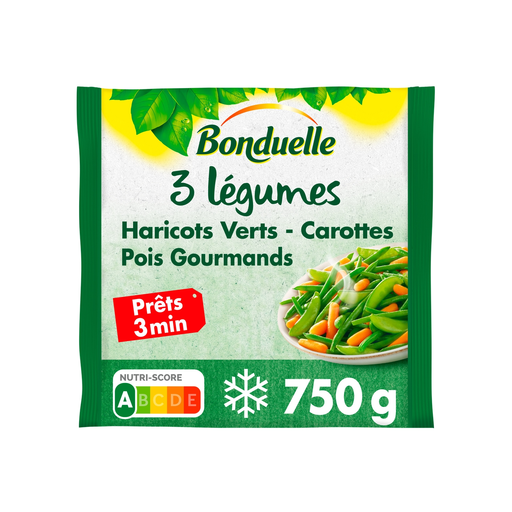 Image unavailable
This frozen mix is a good option if you’re planning to cook and plate up a vegetable side dish for the buffet.
The pack contains 750 g. Check the label for nutritional information, allergens and preparation instructions before deciding on portion sizes.
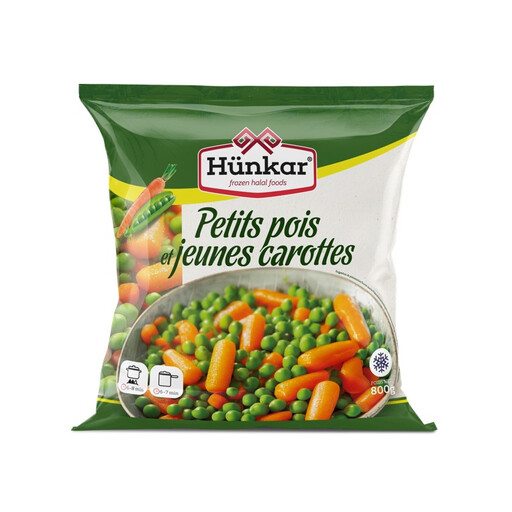 Image unavailable
This frozen mix can be prepared as a side dish, with serving planned around the portions you need.
The pack contains 800 g. Check the packaging for nutritional information per portion, allergens and cooking instructions.
No. To compare the calories in the portions you plan to serve, also check the kcal per 100 g and the weight of each portion. Check ingredients and allergens separately: Nutri-Score doesn’t replace this information.
Keep the packaging and clearly label which product goes with each dish. Ask guests about their dietary requirements before choosing the recipes, then check the ingredients and allergen information on the labels.
Pick it up last while shopping and, as the DGCCRF recommends, preferably carry it in an insulated bag. Keep the journey as short as possible, then put it away promptly, following the storage instructions on the packaging.
For the Picard mini vegetable gratins and mini dauphinoise potato gratins mentioned here, the instructions say not to refreeze a thawed product. Follow the instructions on the packaging for the product you’re serving.