Families preparing their own main course
If you want to choose the recipe and seasoning, look for plain fish in portions or in a larger pack. To plan how you’ll serve it, count the pieces rather than relying on the total weight alone.


For Sunday lunch, choose plain fish if you want to create your own recipe, breaded fish if you prefer easy-to-count portions, or a ready-made fish dish if you want to keep preparation to a minimum. Before choosing a family-sized pack, check how many portions you can actually serve: the pack’s weight alone doesn’t tell you enough.
If you want to choose the recipe and seasoning, look for plain fish in portions or in a larger pack. To plan how you’ll serve it, count the pieces rather than relying on the total weight alone.
Using breaded fish or a ready-made fish dish can cut down on preparation. Check the stated number of portions, though, and for coated or sauced products, read the ingredients and allergen information.
Compare the fish’s name, how it was produced and, depending on the product, its catch area or country of farming. The DGCCRF lists these as key labelling details for seafood and freshwater products.
For Sunday lunch, start by working out how many portions you need to serve, then choose the type of fish to suit the preparation you have in mind.
Choose this if: you want to decide how to cook it and what sauce and sides to serve.
Bear in mind: you’ll need to prepare and season it yourself.
Choose this if: pre-coated portions suit your menu.
Check: the coating is part of the product and may contain wheat.
Choose this if: you want to minimise preparation and the stated number of portions suits your table.
Bear in mind: one pack may not be enough for everyone.
| What to consider | What to check | Who is this useful for? |
|---|---|---|
| Amount to serve | Count the pieces or portions and check their weight, taking the accompanying dishes into account. | When I’m bringing several people together, I want everyone to have a suitable portion, rather than relying on the word ‘family-sized’ alone. Around 42% of consumers would put the amount they can actually serve first. |
| Preparation and serving | Compare the cooking instructions and, for a ready-made dish, the stated number of portions. | If I have little time to prepare the meal, I look for easy-to-serve portions or a dish that’s already prepared. Simplicity would be the top priority for around 33% of consumers. |
| Species and ingredients | Read the species name and origin details; also check the ingredients, allergens and any warnings about bones. | Before serving fish to my family, I want to know what species it is and spot any ingredients or precautions that matter at the table. These details would be the priority for around 25% of consumers. |
Findus states that one of its Alaska pollock loin products serves 8 to 10 portions, while other packs are described by weight or number of pieces. A heavier pack doesn’t, by itself, tell you how large the portions are.
Count the pieces and compare their weight with the number of guests and how prominent the fish is in your menu.
The coating or sauce is part of the product, so two packs of the same weight won’t necessarily contain the same amount of fish. Findus, for example, lists wheat flour in the breadcrumbs of one of its breaded fish ranges.
First compare products of the same type, then check their ingredients and allergens.
For its family-sized Alaska pollock loin packs, Findus notes that a few bones may occasionally remain despite care being taken to remove them.
Read any warnings on the pack you choose and check portions as you serve them, particularly for young children.
The DGCCRF warns that a rise in temperature encourages microbial growth and can make food unsafe.
Pick up frozen fish towards the end of your shop, keep the journey home as short as possible and follow the storage instructions on the pack.
The range includes plain and breaded fish, including family-sized packs of Alaska pollock loins.
The retailer’s frozen food range includes plain and breaded fish.
The retailer offers plain fish as well as fish dishes to share.
This brand, available at E.Leclerc, offers frozen fish, including Alaska pollock portions and cod fillets.
These products let you compare plain fish in fillets or whole-fish form with a breaded option. For Sunday lunch, match the stated number of pieces to the number of people at your table; for larger packs, also check the portion information on the packaging.
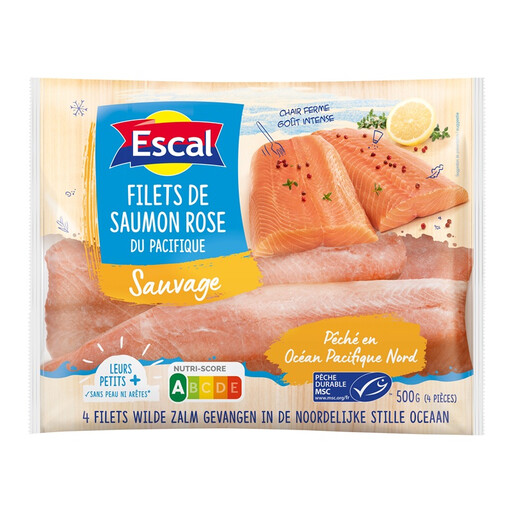 Image unavailable
Four fillets give you a starting point for planning a meal with plain fish; adjust the quantity to suit the number of guests and accompanying dishes.
Check the packaging for origin details and any warnings about bones.
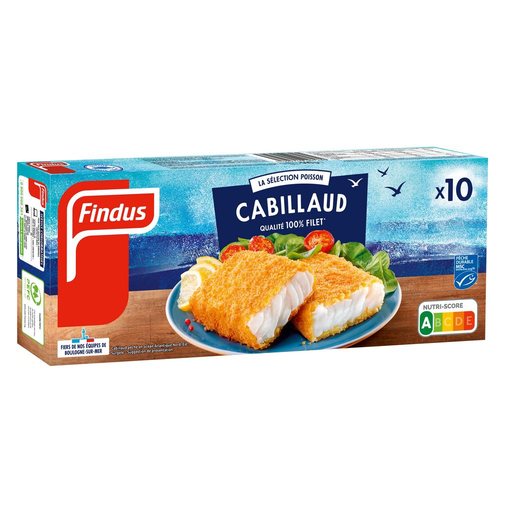 Image unavailable
The ten breaded fillets are easy to count when planning how to serve them, but don’t assume that one piece will be a sufficient portion on its own.
The coating sets this product apart from plain fillets. Check the ingredients, allergens and cooking instructions on the packaging.
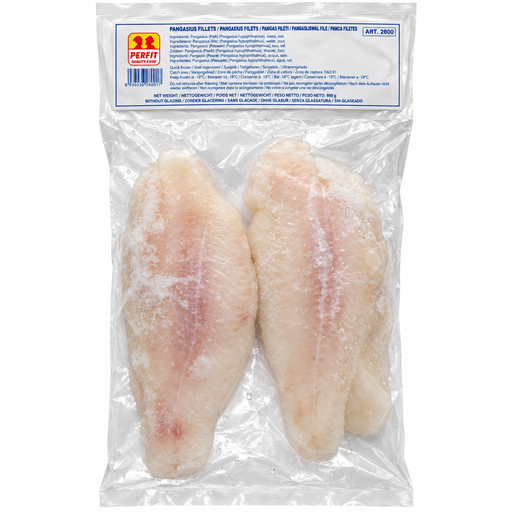 Image unavailable
This 1 kg pack of plain fillets is a good choice for a recipe where you decide how to prepare them.
Before deciding how many packs to serve, check the number of fillets, their origin and any information about bones.
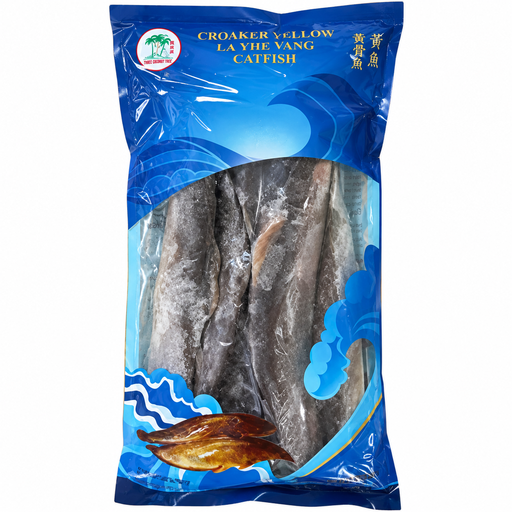 Image unavailable
If you’re preparing a plain fish dish from scratch, consider this 1 kg pack and take the stated 15% glaze into account.
Check the packaging for the amount of fish, the number of portions you can make, the country of farming and any warnings about bones.
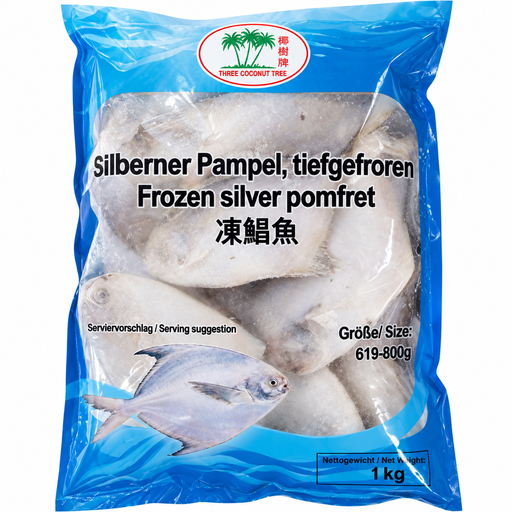 Image unavailable
If you’re planning to prepare and serve whole fish, check how many pieces are in this 1 kg pack before choosing it for your table.
The title states 20% glaze; check the packaging for the amount of fish, its origin and any warnings about bones. The 60/80 indication shouldn’t be taken as a number of portions.
Start by counting the pieces or portions stated on the pack, then check their weight and the sides you plan to serve. For example, Findus says one of its family-sized packs of Alaska pollock loins serves 8 to 10 portions; this doesn’t apply to other packs.
Plain fish lets you choose the recipe and seasoning, while breaded fish comes in ready-coated portions. If you opt for breaded fish, check the ingredients: the Findus breaded fish range featured here includes breadcrumbs made with wheat flour.
Read the commercial name, scientific name and production method, followed by the catch area or country of farming, depending on the product. The DGCCRF lists these as key labelling details for seafood and freshwater products; check the details on the product you’re planning to buy.
Keep it cold on the journey home and follow the storage instructions on the pack. The DGCCRF warns that a rise in temperature encourages microbial growth, so pick up frozen food towards the end of your shop and put it in the freezer as soon as you get home.