
Livraison le jour même ou le lendemain

Qualité garantie

Débloquez vos offres de bienvenue: Livraison GRATUITE | Jusqu'à -80 % | 30 jours d'essai gratuits à JoyPlus
Téléchargez l'application
Buying frozen fish and seafood online makes it easy to stock your freezer without making repeated trips to the store. Fish fillets, breaded products, salmon, squid and family-size formats cater to a wide range of needs. However, attractive photos and marketing claims are not enough to compare products properly.
Three pitfalls come up time and again:
The product name alone does not always tell you what it actually contains. For frozen fish fillets, check the ingredients list and the percentage of fish.
Frozen salmon has richer flesh and a more buttery texture. Frozen cod, frozen Alaska pollock and frozen hake are generally well suited to quick recipes, with leaner flesh. Frozen pangasius and frozen tilapia have a mild flavour that works particularly well in curries, soups and generously seasoned dishes.
For a breaded product, compare in particular:
Frozen fish and seafood may be covered with a protective glaze. This thin layer helps prevent drying out, but it also increases the total weight shown on the packaging. TCT tilapia steaks, for example, contain 20% glazing. TCT small squid also benefits from a protective glaze.
A 400 g pack made up of individually separated portions can be convenient for a couple or a small family. A 1 kg format, such as some pangasius or frozen squid products, is more suitable for larger households and recipes intended to provide several meals.
The MSC label represents a sustainable-fishing certification based on a specific set of standards. It does not replace checking the ingredients, fishing area and preparation instructions. Several products in this selection carry this certification, including hake, Alaska pollock and breaded cod.
Anyone with allergies should check the “contains” and “may contain” statements. Seafood products may contain fish, crustaceans or molluscs. Breadcrumb coatings may also contain wheat or gluten. For halal seafood products, look for certification or an explicit statement on the product page and packaging; the absence of pork alone does not constitute halal certification.
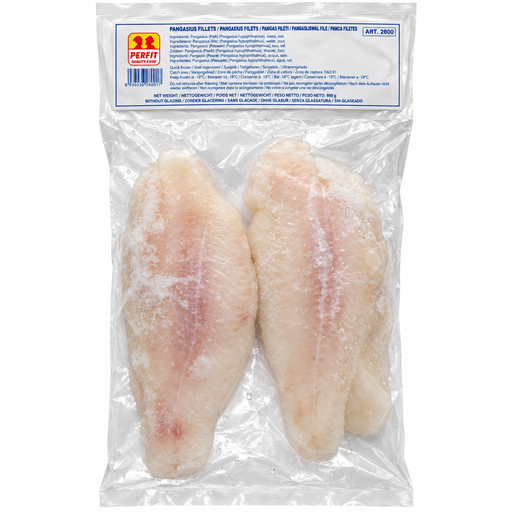
Why this product suits this profile: The one-kilogram pack is ideal for families looking to spread several fillets across different meals.
The product page describes 100% pangasius fillets, with no breadcrumbs or added sauce. It is still essential to check the glazing and net weight on the packaging.
Fillets weighing 170 to 220 g, suitable for baking, pan-frying, grilling or preparing a curry.
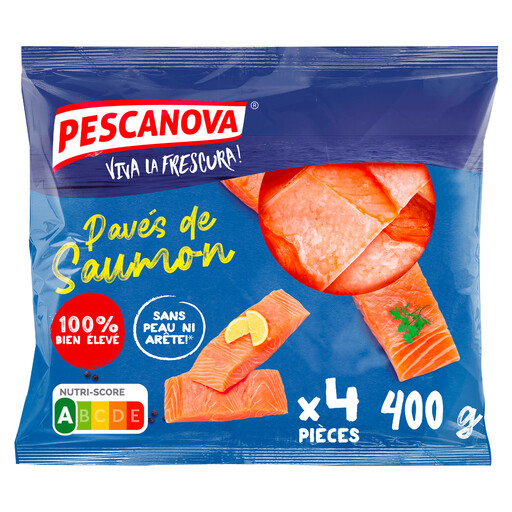
Why this product suits this profile: The four skinless portions make it easy to prepare different meals in the oven, pan or on the grill.
The product lists only salmon among its ingredients. Nevertheless, check the fish allergen declaration and follow the manufacturer’s thawing instructions.
400 g, four skinless fillets, storage at -18 °C and the option to cook directly from frozen, according to the product page.
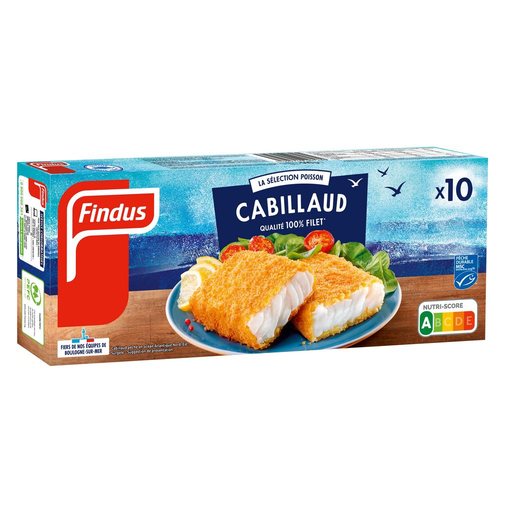
Why this product suits this profile: The ten portions allow you to serve several people quickly, with no preparation or cutting required.
The product page specifies that the product contains 64% cod, with a wheat breadcrumb coating. This makes it possible to compare the actual fish content across different products.
510 g, ten pieces, MSC certification indicated and suitable for preparation from frozen at -18 °C.
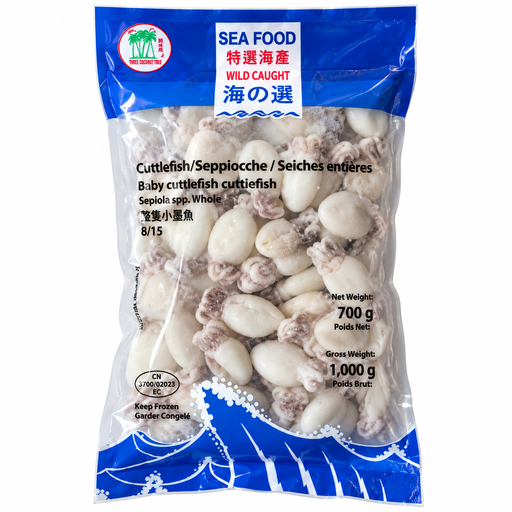
Why this product suits this profile: Whole frozen squid is well suited to Mediterranean and Asian recipes, from grilled dishes to slow-cooked preparations.
The product is raw and glazed: it is not ready to eat. Plan for thorough cooking and take the molluscs allergen into account.
1 kg format, cleaned product, suitable for frying, grilling, stews and seafood recipes.
Frozen products take up space and must be kept at a stable temperature of -18 °C or below, but they offer exceptional flexibility in the kitchen. Canned products, on the other hand, can be stored at room temperature before opening and are particularly convenient for last-minute meals.
Canned sardines are easy to serve on toast, in salads or with pasta. The Connétable extra-virgin olive oil product states that it is prepared in Brittany and provides traceability information on the tin. For canned tuna, Petit Navire MSC tuna in brine contains white tuna, water and salt. El Tato albacore tuna is packed in olive oil and can be eaten immediately after opening.
After opening, transfer the contents to a sealed container, refrigerate and follow the storage period stated on the packaging. Never eat a can that is swollen, leaking or severely dented.
We have brought together an up-to-date selection of products from the meat and fish category, with formats suited to everyday meals.
Check the weight, glazing percentage, fish content and condition of the packaging. A heavily frosted or misshapen pack may indicate a storage problem.
Some products state that they can be cooked directly from frozen. Always follow the instructions on the product page or packaging, and make sure the centre of the fillet is thoroughly cooked.
The storage period varies by product. Several products recommend keeping thawed fish in the refrigerator and consuming it within 24 hours, without refreezing it. For an opened can, the recommended period is generally between 24 and 48 hours, depending on the product page instructions.