
Livraison le jour même ou le lendemain

Qualité garantie

Débloquez vos offres de bienvenue: Livraison GRATUITE | Jusqu'à -80 % | 30 jours d'essai gratuits à JoyPlus
Téléchargez l'application
Frozen fish is the perfect lifesaver: it's convenient, quick to cook, and an excellent way to eat fish all year round. But be warned, the frozen food aisle can be a real minefield. Between the eye-catching packaging and marketing promises, disappointment is often just around the corner. Great packaging doesn't mean a great product.
As a product selection expert at Joybuy, I spend my days deciphering labels. My mission: to help you sort the good from the bad. Here are the 3 most common scams in the frozen fish aisle, and more importantly, how to avoid getting duped.
frozen breaded fish or a frozen prepared fish, only one number really matters: the percentage of fish. It's easy to find products with less than 50% fish, with the rest being just a mix of breading, sauce, and additives. Something's not right.You don't need to be an expert to make the right choice. You just need to check two or three crucial pieces of information on the packaging.
The ingredients list is your best friend. The law requires manufacturers to state the percentage of fish used. For a plain frozen fish fillet, it should be close to 100% (excluding glazing). For a fish Bordelaise or a breaded product, a quality item will show over 60% fish. Anything less, and you should walk away: the nutritional and taste value is practically zero.
These two logos are your guarantee that the fish comes from sustainably managed sources. A simple gesture for the health of our oceans.
MSC frozen fish comes from fisheries that do not overexploit stocks and limit their impact on the marine ecosystem. It's a mark of quality for species like frozen Alaska pollock or cod.frozen salmon or panga. It ensures that the farm respects the environment, with sound management of water, feed, and animal welfare.It all depends on what you're in the mood for and how much time you have.
To put theory into practice, here are our top picks, all tested and approved.
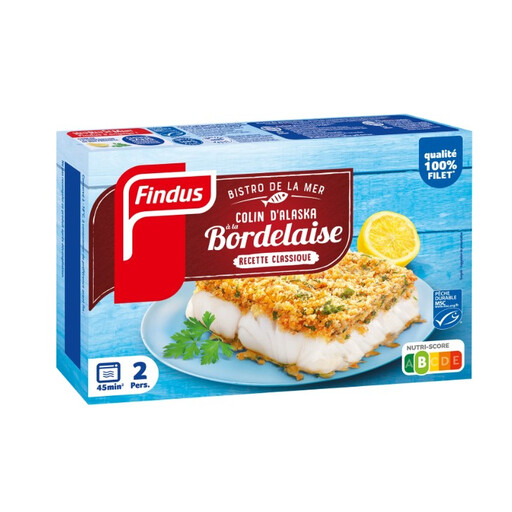
Why we recommend it: A true classic that's quick to prepare and well-balanced. The Bordelaise recipe is a reliable choice that delights both kids and adults, perfect for weeknights when every minute counts.
With 71% Alaska pollock fillet, this is far from the "more sauce than fish" scam. Plus, the MSC label ensures sustainable fishing and flawless traceability.
A delicious recipe everyone loves; Nutri-Score B; Good source of protein (13g/100g).
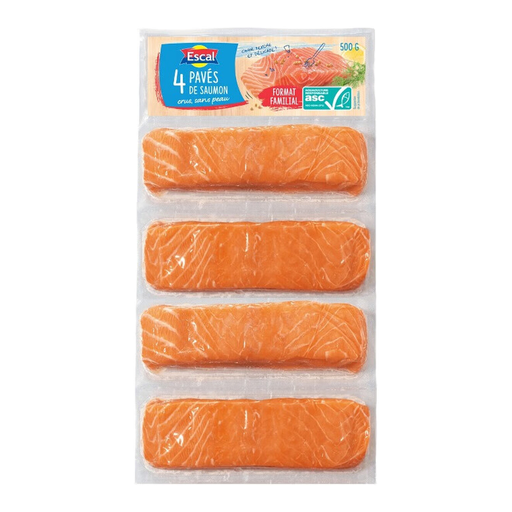
Why we recommend it: For those who love to cook, this is the ultimate raw ingredient. These skinless salmon fillets are a perfect base for pan-searing, oven-roasting, or even steaming.
Here, it's 100% Atlantic salmon. No added water, no additives, so there's no risk of paying for unnecessary glazing. The ASC label guarantees responsible aquaculture and clear traceability.
100% pure and versatile product; Responsible aquaculture label (ASC); Very high in protein (20g/100g).
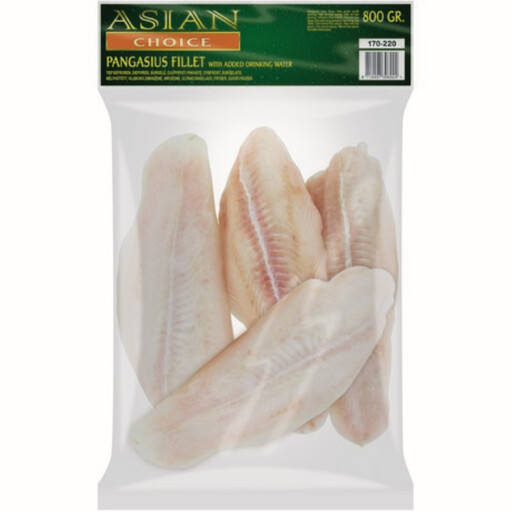
Why we recommend it: Ready for a culinary journey? This panga fillet is a fantastic base for exploring Asian flavours. Its white flesh and neutral taste make it the perfect candidate for curries, fragrant soups, or quick woks.
The ingredients are crystal clear: 100% panga. Individually Quick Freezing (IQF) preserves the fish's texture and keeps glazing to a bare minimum. You're buying fish, not water.
Versatile white flesh and neutral taste; Perfect for Asian cuisine; Ultra-convenient individual portions.
Explore our full selection of products that meet our quality standards and regulations.
The best method, by far, is a slow thaw in the refrigerator (allow several hours, or even overnight). This is the secret to preserving the fish's texture. If you're in a hurry, submerge the sealed bag in a large bowl of cold water. Above all, forget thawing at room temperature or in the microwave: that's the surest way to ruin the flesh and risk bacterial growth.
No, that's a stubborn myth! Fish is flash-frozen just hours after being caught (a process called "freezing at sea"), which locks in all its nutritional benefits (protein, omega-3s...). Paradoxically, a frozen fish can therefore be more "fresh" from a nutritional standpoint than a so-called fresh fish that has been sitting on the fishmonger's counter for several days.
Flash-freezing is an industrial technique that rapidly cools the fish to its core at -18°C. This thermal shock creates tiny ice crystals that don't damage the fish's cells. The result: its texture and taste are preserved. Freezing, on the other hand, is a much slower process (like in your home freezer). It forms large crystals that puncture the cells and damage the fish's flesh upon thawing. For optimal quality, the choice is clear: always aim for products labelled "flash-frozen" ("surgelé").