Hosts planning an Easter main course
If you’re serving several guests, the number of pieces, net weight and cut will help you plan your portions. Also check whether the fillets have skin and whether the packaging warns that bones may be present.


For an Easter lunch cooked on the day, choose a plain frozen fish fillet in a size that suits the number of guests and with cooking instructions that fit your plans. Check the species, net weight, number of pieces and any warnings about bones. A frozen fillet can work well for this meal, but it isn’t the same as a fresh fillet.
If you’re serving several guests, the number of pieces, net weight and cut will help you plan your portions. Also check whether the fillets have skin and whether the packaging warns that bones may be present.
If you’d rather not plan to defrost the fish the night before, look for a product whose packaging says it can be cooked from frozen. Then follow the instructions for that specific product and cooking method.
If these factors matter to you, compare the species and the information given about whether the fish was caught or farmed. Also check that the pack weight gives you enough for the meal.
Start by working out how many portions you need, then check whether the fillet can be cooked within the time you have. The species and label information will help you narrow down the formats that suit your meal.
| What to consider | What to check | Who this matters to |
|---|---|---|
| Serving size | Net weight, number of pieces, cut and any warnings about bones. | To serve everyone without running short, I look for a pack that suits the number of guests; around 33% of consumers put this first. |
| Cooking on the day | Whether the product can be cooked from frozen or needs to be defrosted, according to the instructions. | If I’m cooking without preparing the night before, I need instructions that fit my schedule; this is the top priority for around 25% of consumers. |
| Species and origin | The fish’s name, production method and any information on the label about whether it was caught or farmed. | I want to know what fish I’ll be serving and compare the stated origins; around 25% of consumers prioritise this information. |
| How much you need | Net weight and number of fillets compared with the portions you’re planning. | To avoid buying a pack that’s the wrong size for the meal, I work out how many portions I need first; this is the main consideration for around 17% of consumers. |
The same freezer aisle can include plain, breaded and ready-to-cook fish, and they won’t all work in the same way in a homemade recipe.
If you want to season the fish yourself, check its product name and ingredients list.
Findus and Pêche Océan product information notes that a few bones may occasionally remain in some products.
Check each portion as you serve it, especially those for young children.
Keeping the fish chilled and following the preparation instructions matter when you’re serving it on the day. Anses recommends cooking it all the way through, until the flesh is thoroughly cooked throughout.
Follow the pack’s storage and defrosting instructions, then cook the product as directed.
Two packs of the same weight can contain different numbers of pieces, which affects how you serve the meal.
Before choosing, compare the net weight and number of fillets with the number of guests.
Findus France offers plain frozen fish fillets, including cod, Alaska pollock and Pacific pink salmon.
Carrefour’s plain frozen fish range includes several species and cuts under the Carrefour Classic’ and Carrefour Extra ranges.
An E.Leclerc product listing features 800 g packs of Pêche Océan frozen cod fillets, with the species listed as Gadus morhua and information about where it was caught.
The Auchan range we reviewed includes plain frozen fish fillets, loins and portions, including cod, hake and salmon.
Aldi’s fish range includes Golden Seafood products, such as cod loins and Alaska pollock fillets.
These plain frozen hake and salmon fillets offer two different species to choose from for your meal. Their preparation instructions differ, so check them before planning to cook on the day.
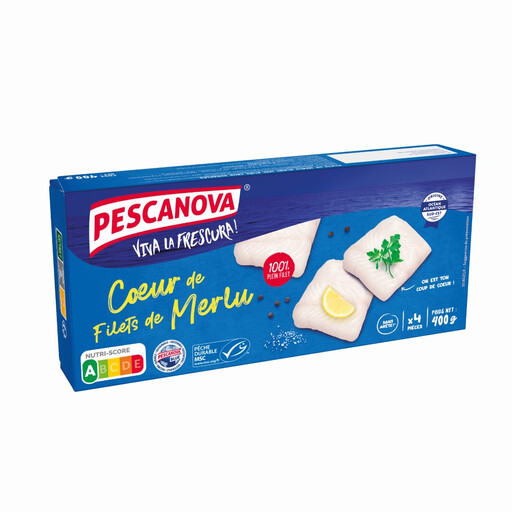 Image unavailable
Worth considering if you’d like to serve hake and cook on the day: the product information says it can be cooked from frozen.
400 g pack. Small bones may remain, so check the portions when serving and follow the pack’s cooking instructions.
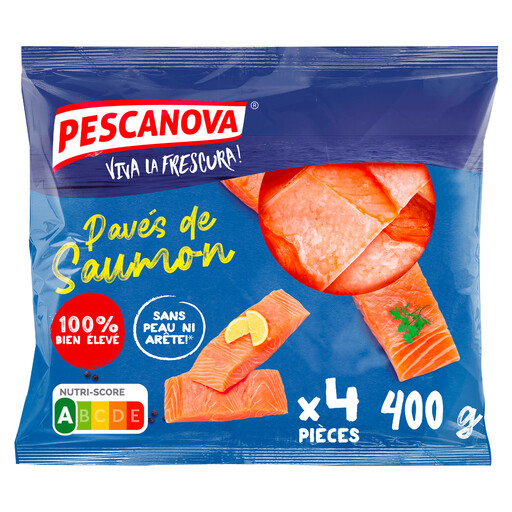 Image unavailable
Worth considering if you’re planning four portions of salmon: the product information says it can be cooked from frozen.
Four skinless fillets, weighing 400 g in total. The fish is described as farmed in Iceland or Norway; check the packaging you receive to see which origin applies.
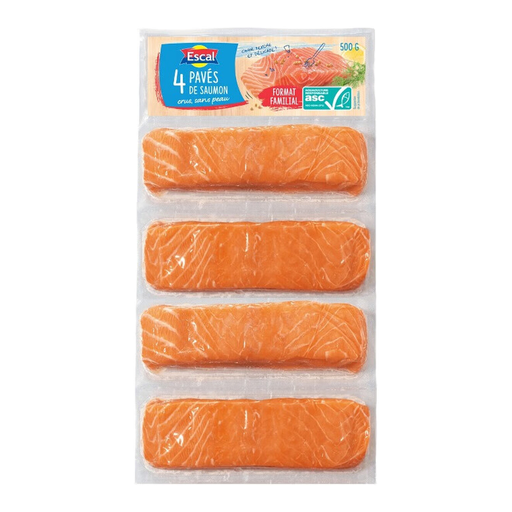 Image unavailable
Worth considering if you can plan ahead: the product information says to defrost it in the fridge the night before cooking.
Four skinless salmon fillets, weighing 500 g in total. If the origin matters to you, check the information on the packaging.
Yes, if the instructions say it can be cooked from frozen, or if you can follow the recommended defrosting instructions. Choose a fresh fillet instead if your recipe or preference specifically calls for fresh fish: the two products aren’t the same.
Read the product name and scientific name, then check the information about whether the fish was caught or farmed. For unprocessed fishery and aquaculture products sold in France, the DGCCRF sets out information requirements that include the production method and the catch area or country of farming.
Follow the product instructions: Findus says not to refreeze its cod fillets and loins after defrosting. If you’re not sure how many guests will be coming, a pack with individually portioned pieces may let you take out only what you need.
Check each portion for any bones and serve the fish thoroughly cooked. Anses recommends cooking fish all the way through and advises vulnerable groups to avoid raw or undercooked fish.