Households preparing several meals in advance
You want to keep fish in the freezer for several meals. The bag’s weight, the number of pieces and whether you can take out one fillet without disturbing the rest matter more than the pack size alone.


When stocking up on frozen fish, first choose a format that lets you take out portions without defrosting the rest. A large bag is a good choice if you have the freezer space and use its contents regularly, while individually packed fillets make it easier to prepare smaller meals. Breaded or ready-prepared fish is better suited to quick meals. Check the fish content, ingredients and allergens before comparing it with a plain fillet.
You want to keep fish in the freezer for several meals. The bag’s weight, the number of pieces and whether you can take out one fillet without disturbing the rest matter more than the pack size alone.
You cook one or two portions at a time and want to avoid defrosting a large block. Individually packed fillets, such as the plain fillets described by Findus, can make it easier to take out just what you need.
You like to switch between different fish at mealtimes rather than buying the same one every time. The species and information about where it was caught or farmed on the label can help you plan that variety, which is also recommended by Manger Bouger.
Start with the packaging and the portions you’ll actually use, then distinguish plain fillets from prepared recipes. To add variety to your meals, look at the species too, rather than always choosing the same fish.
| What to consider | What to check | Who is it for? |
|---|---|---|
| Quantity you can use | Check the net weight, the number of pieces and, for a prepared recipe, the proportion of fish. | I want to stock up and use the contents over several meals. Around 36% of consumers prioritise this usable quantity. |
| Portioning | Check whether the fillets are loose or individually packed, and how much freezer space you’ll need. | In a smaller household, I’d rather take out only what I’m going to cook. Having portions that suit my needs comes first for around 29% of consumers. |
| Variety of species | Identify the species and check the fishing area or country of farming, where this information applies to the product. | I want to alternate between species rather than serve the same fish every time. Around 21% of consumers rank this variety as their top need. |
| Quick preparation | For breaded or prepared fish, read the ingredients list, fish content, allergen information and cooking instructions. | When I’m short of time to prepare a meal, a ready-made recipe appeals more than a plain fillet. Around 14% of consumers prioritise quick preparation. |
A prepared recipe contains ingredients other than fish. For example, Carrefour France lists 55% Alaskan pollock in one of its prepared products, along with ingredients such as onion, oil and breadcrumbs.
If you’re looking for a fillet to season yourself, choose a plain product. For a prepared recipe, check the fish content, ingredients and product-specific allergen information.
The total weight doesn’t tell you whether you’ll be able to separate the pieces easily. Packaging that doesn’t suit your portions could mean defrosting more fish than you need.
Before choosing a larger pack, check the number of pieces, how they’re packed and how much freezer space you have.
If you can’t take the fillets out separately, you’ll need to plan your meals around the amount you defrost.
For unprocessed fishery and aquaculture products, the DGCCRF describes information including the species, production method and fishing area or country of farming. Manger Bouger recommends choosing a variety of species and sources too.
Check this information on the product you’re considering and plan to include different species in your next fish meals.
These brands and retailers offer a range of categories and pack formats. Always check the label and pack size before choosing a specific product.
Findus offers plain fillets from several species, as well as breaded and prepared fish products.
Carrefour offers plain fish and prepared recipes under its Carrefour Classic’ and Carrefour Extra brands.
The Pêche Océan range includes frozen fillets and slices of pollock, hake and cod.
Auchan’s plain fish selection includes products from Auchan, Pouce and Findus.
Lidl has offered a 500 g pack of frozen white hake fillets under the Ocean Sea brand.
Golden Seafood includes fish fillets and breaded products.
These products offer a few different ways to plan meals with frozen fish: smaller quantities, a large bag of fillets and a breaded option. Check the format and ingredients of each product to see how well it suits your needs.
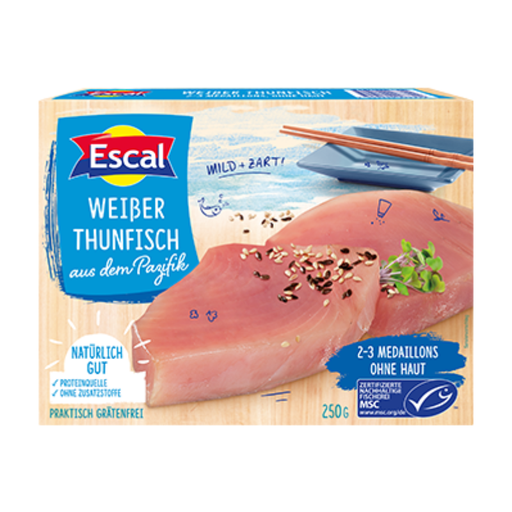 Image unavailable
The two steaks are a handy option if you need a smaller amount of tuna for your meals. Check the packaging for information about where it was caught to help you make your choice.
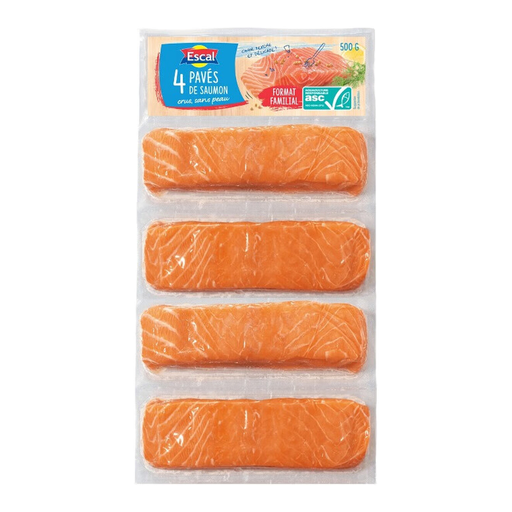 Image unavailable
This pack of four fillets is a good choice if you want to plan several salmon meals. Check the packaging for information about the product’s production and origin.
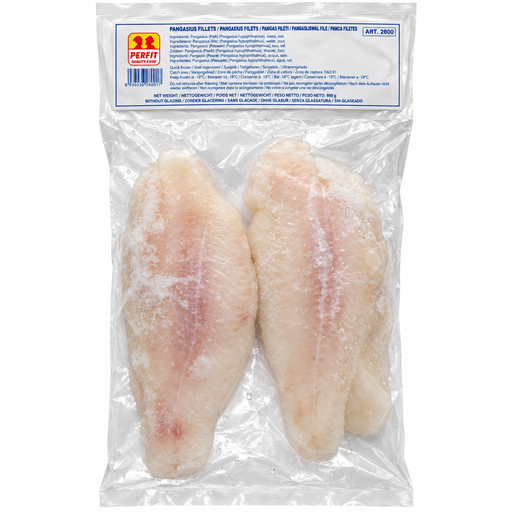 Image unavailable
This 1 kg bag is suited to households planning several meals and with enough freezer space. Before choosing it, check how to take out the fillets and read the farming information on the label.
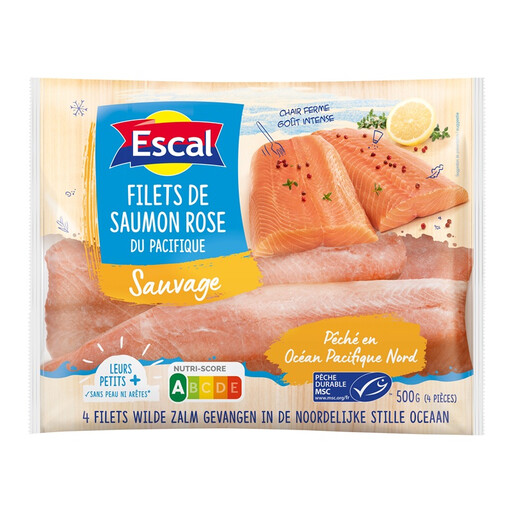 Image unavailable
This 500 g pack is a way to add Pacific pink salmon to your selection of fish. To help plan portions, check the number of fillets on the packaging, along with the fishing information.
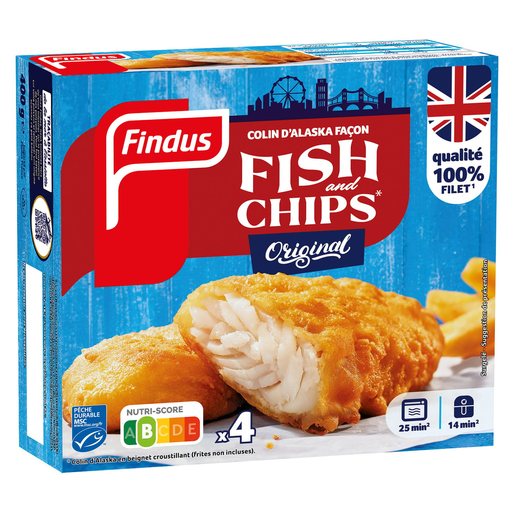 Image unavailable
The four 100 g pieces make it easy to plan portions of breaded fish. These aren’t plain fillets: check the fish content, ingredients list and allergen information before choosing this recipe.
In France, the DGCCRF says consumer information includes details such as the commercial name, scientific name, production method and fishing area or country of farming. Depending on the product, also check for information about the fishing gear used and whether the fish has been defrosted.
Not if you want the same ingredients: breaded fish contains ingredients that aren’t found in a plain fillet. If you want to cook and season the fish yourself, choose a plain product. If you’d prefer something ready-prepared, check the fish content, ingredients and allergen information for that product.
Pick up frozen products towards the end of your shop and carry them in an insulated bag, keeping the journey home as short as possible, as recommended by Anses. Then follow the storage instructions on the pack. Carrefour says its frozen products should be stored at −18 °C and advises against refreezing food once it has defrosted.
Choosing a variety of species and sources is one of Manger Bouger’s recommendations for fish meals. Anses explains that methylmercury levels vary between species and tend to be higher in predatory and large predatory fish. So, how the fish is stored doesn’t change the need to check which species you’re buying.