To make it easy to allocate a meal to each guest or offer a choice of different recipes, opt for individual frozen dishes. If you’re serving lots of identical meals and can portion them out after cooking, sharing-size dishes could work well; you can also combine both options. In every case, check the portions listed, your cooking capacity, storage and cooking instructions, and the ingredients and allergens for each recipe.
Who are these formats for?
Organisers serving individual meals
If each guest will receive their own dish, individual portions make it easier to count meals and offer a choice of recipes. Auchan and Picard separate these formats in their ranges, but be sure to check the portion size stated for each product.
Volunteers serving a large number of guests
If you have a short menu and enough space to portion food, sharing-size dishes can reduce the number of containers you need to prepare. However, you’ll need to plan the cooking, utensils and portioning before guests arrive.
Organisers planning for dietary alternatives
If you know about guests’ preferences or dietary restrictions in advance, set aside clearly identifiable recipes and keep their packaging during service. Check the ingredients and allergens for the exact product; don’t assume what it contains based on the dish name alone.
What should you check before buying?
Individual dishes
Choose these if: you want to allocate meals without portioning them during service.
Bear in mind: you’ll need to factor each tray into your cooking and serving arrangements.
Dishes to share
Choose these if: the same recipe will suit lots of guests and you can portion it out after cooking.
Bear in mind: portioning requires utensils and clear labelling of the recipes being served.
For a village fête, you can also combine the two formats: serve a shared dish as a common recipe, alongside individual portions for guests with specific needs you know about in advance. The criteria below can help you plan your shopping and service.
| Criteria |
What to check |
Guests this matters to |
| Allocating meals |
The number of portions and the weight of each recipe; how many items you can prepare at the same time. |
When I hand a dish to each person, I want to count the meals without portioning them on the spot; around 33 % of consumers prioritise this approach to serving. |
| Dietary alternatives |
The ingredients and allergens for the exact product; how to identify portions set aside during service. |
If guests have told me about dietary restrictions, I need to recognise the recipe intended for them without relying on its name alone; around 27 % of consumers prioritise this. |
| Quantities to serve |
The stated number of portions and total weight of larger formats; the equipment available for portioning them. |
When serving lots of identical meals, I’d rather plan how to portion a shared dish than use more individual trays; around 20 % of consumers prioritise this need. |
| Stock and cold storage |
Availability at your chosen shop, storage instructions and the freezer space you have before preparation. |
Before finalising the menu, I want to be sure I can get the planned recipes and keep them cold until they’re prepared; around 20 % of consumers prioritise this. |
Serving mistakes to avoid
-
Assuming all individual trays are equivalent meals
A portion statement doesn’t mean that every recipe weighs the same or makes the same kind of meal on its own.
Count meals using the portion information and weight on each pack, then decide whether your menu will include anything else.
-
Planning your menu around an out-of-date catalogue
Some products featured by Lidl are linked to specific dates. The range available may also depend on which shop you choose.
Confirm which products are available before announcing the menu, and identify another recipe in the same format with ingredients suitable for the needs you expect.
-
Throwing away the packaging before service is over
Without the recipe information, it can be difficult to check the ingredients, allergens and preparation instructions.
Keep the packaging, labelled by recipe, while the dishes are being served, and clearly separate portions set aside for guests with specific needs.
-
Overlooking cold storage between shopping and preparation
The DGCCRF points out that a rise in temperature speeds up microbial growth and can make food unsafe.
Pick up frozen food last, plan how to keep it cold on the way home, and follow the storage instructions on each pack.
Retailers to compare formats
Carrefour
If you’re considering shopping here, take a look at the frozen dishes available at your chosen store.
- Compare the portion information for the products you’re interested in.
- Check that the recipes are available before planning your menu.
Auchan
Auchan separates individual frozen ready meals from family-size formats.
- These categories make it easy to consider a basket combining allocated individual meals and dishes to share.
- Check the number of portions for each product and its availability at your store or for your chosen time slot.
Picard
Picard separates individual dishes, dishes for two and sharing-size dishes.
- The clear distinction between formats makes it easier to find recipes for different ways of serving.
- Check the ingredients and portion information for each recipe you choose.
E.Leclerc
E.Leclerc includes a category of Marque Repère individual dishes.
- The weights shown for each product help you distinguish between trays in this category.
- A product appearing in a category doesn’t guarantee it will be available at your chosen store.
Lidl
Lidl features frozen ready meals in offers tied to specific dates.
- A product available locally could complement a menu you’ve already planned.
- Don’t plan your menu around a dated offer without checking that the product will be available when you shop.
ALDI
ALDI offers ready meals in different formats, although not all products in this category are necessarily frozen.
- The weight information can help you identify formats worth considering.
- Check that each product is frozen, then confirm its number of portions and local availability.
A frozen option to consider on Joybuy
This 230 g frozen gimbap could be considered as a separate recipe to serve. Its weight alone doesn’t show whether one pack is an individual meal, so check the portions and preparation instructions before working out how many you’ll need.
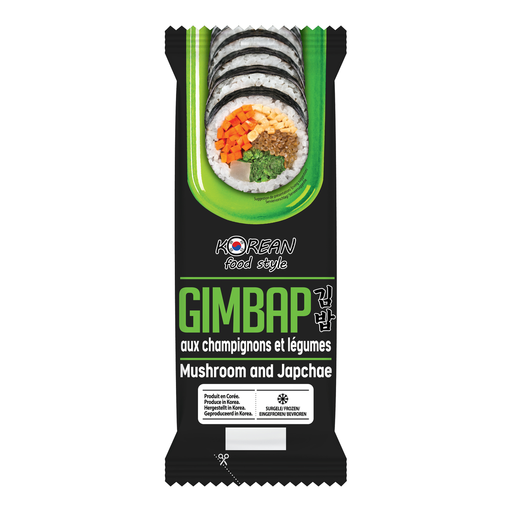 Image unavailable
KOREAN FOOD STYLE Gimbap with sautéed mushrooms and vegetables, 230 g
Worth considering if you’re planning a separate frozen recipe for some guests, but don’t assume that a 230 g pack is a meal for one.
Check the pack for the number of portions, defrosting instructions and allergens before adding it to your menu. Take particular care if any guests need to avoid wheat, sesame or soya.
View on Joybuy
Frequently asked questions
Does a dish labelled as one portion make a complete meal?
Not necessarily. The label tells you how many portions the recipe is stated to provide, but it doesn’t define what makes up your meal. Check the product weight too, then decide whether you’ll serve anything else with it.
Can you serve only individual dishes at the fête?
Yes, as long as your equipment and setup allow you to prepare and serve every tray during service. If you’re serving lots of identical meals, also compare the work involved in cooking and portioning sharing-size dishes.
Why keep the packaging during service?
It lets you check information specific to each recipe, including its ingredients, allergens and preparation instructions. If you remove an outer wrapper, make sure you keep the necessary information on the remaining packaging; the DGCCRF highlights the importance of storage instructions in particular.
How should you transport frozen dishes to the fête venue?
Pick them up last when shopping, keep them cold during the journey and put them away promptly, following the storage instructions. The DGCCRF points out that a rise in temperature speeds up microbial growth.


