Hosts catering for several guests
You’re looking for a main course or a dish to share and want to check how many portions you’ll need, including sides.


For an Easter lunch where everyone will be having the same dish, choose a sharing size after checking its weight and the number of portions stated. If people have different tastes or dietary requirements, several smaller portions can make serving easier, but you’ll need to coordinate the cooking times. In either case, check the ingredients, allergens and storage instructions for each product.
You’re looking for a main course or a dish to share and want to check how many portions you’ll need, including sides.
You’d rather pair a main course with several options to suit different tastes, while keeping the cooking organised.
You need to check the ingredients, allergens, nutritional information and storage instructions for dishes you’ll be serving to your guests.
First, decide whether one dish will suit everyone or whether you’ll need several. Then check the quantities and cooking arrangements before choosing your products.
| What to consider | What to check | Who is this important for? |
|---|---|---|
| Quantity and portions | Compare the net weight with the stated number of portions, then factor in the sides you’re planning to serve. | If I’m hosting several people, I want everyone to have a portion without buying more dishes than necessary. For around 33% of consumers, serving quantity comes first. |
| Size and variety | Check the sizes available and whether you can coordinate the cooking instructions for different dishes. | When guests have different tastes, I’d like to offer a choice without making serving more complicated. Variety is the priority for around 27% of consumers. |
| Ingredients | Read the ingredients and allergen information for each product. To compare nutritional values, use the same 100 g basis. | If a guest needs to avoid an ingredient, I check every dish and side before serving. Ingredients are the top priority for around 20% of consumers. |
| Storage and preparation | Plan how to keep products cold during transport and check the storage and cooking instructions on each pack. | When I’m preparing several dishes, I want to store them correctly and get them all ready to serve on time. Around 20% of consumers prioritise this planning. |
A 300 g portion and a 1 kg dish won’t meet the same needs at the table. The pack weight alone also won’t tell you how many portions you’ll get alongside the sides you’ve planned.
Compare the net weight and stated number of portions with the number of guests before finalising your menu.
A pack that’s too small may mean you need to plan extra portions or sides.
Ingredients and allergens vary between dishes, including between a main course and its sides. The DGCCRF reminds shoppers that allergens must be highlighted in the ingredients list of products that contain them.
Check the ingredients list and allergen information on each pack before serving guests who need to avoid particular ingredients.
Keeping food cold matters on the journey from the shop to your home, too. ANSES recommends buying frozen food at the end of your shop and using an insulated bag to carry it.
Plan your journey and follow the storage instructions on each product.
The Eco+ range includes frozen ready meals, including 1 kg packs.
Its frozen ready meals range includes individual portions and packs from 900 g to 1 kg.
The retailer offers ready meals in individual and family sizes.
The retailer occasionally offers frozen ready meals and sides.
The retailer’s catalogue features ready meals in a range of sizes.
Online shopping and drive-through collection can help you organise your meal shopping.
These products offer options for an individual portion, a different dish to add to your meal, or a 600 g lasagne. Check the number of portions and the instructions on each pack when planning how to serve everything.
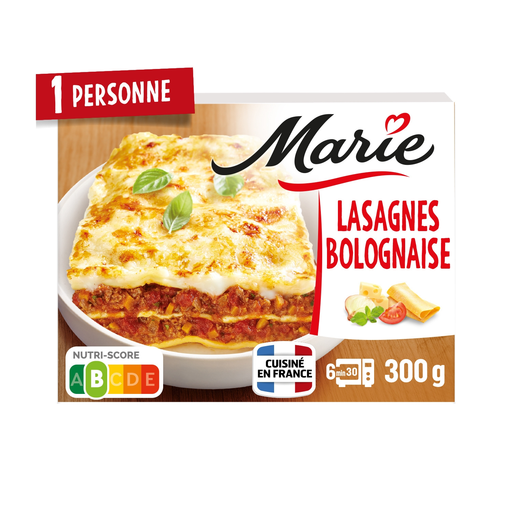 Image unavailable
A handy individual portion, or a different recipe to offer your guests.
Weight shown: 300 g. Check the ingredients, allergens and preparation instructions on the pack.
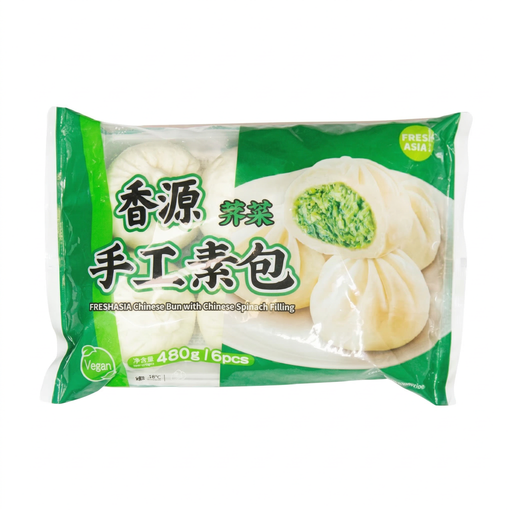 Image unavailable
A different option to add to your meal instead of lasagne. Check how many guests it will serve first.
Weight shown: 480 g. Check the ingredients, allergens and preparation instructions on the pack.
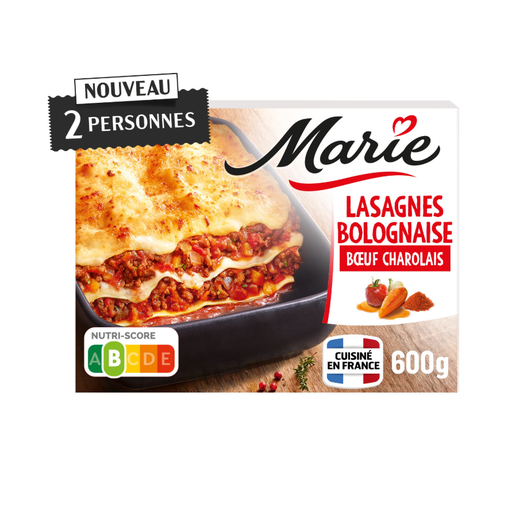 Image unavailable
A larger lasagne option than the 300 g portion, without assuming how many people it will serve.
Weight shown: 600 g. Before planning your meal, check the number of portions, allergens and cooking instructions on the pack.
Choose a sharing dish if one recipe will suit your guests and the stated number of portions covers the meal you’re planning. Several smaller portions give you more variety, but you’ll need to check the quantities and coordinate their cooking times.
Read the ingredients, allergen information, net weight, and storage and preparation instructions for each product. For comparing nutritional information, the DGCCRF says that values per 100 g provide a common basis; then take the portion you plan to serve into account.
No. If it appears on the pack, the Nutri-Score doesn’t replace the ingredients list or an allergen check. Also look at the nutritional values per 100 g and the quantity you plan to serve.
Buy them at the end of your shop and keep transport time to a minimum, as ANSES advises. Use an insulated bag and store the products at home according to the instructions on their packs.
ANSES advises against refreezing food once it has defrosted and recommends eating it promptly. Follow the product’s own instructions for defrosting and preparation.