People keeping an eye on portion sizes
You want to know the energy content of the amount you’ll serve, rather than choosing based solely on the figure per 100 g. The pack weight and number of portions help you work this out.


When choosing a frozen dish to take on a picnic, compare the energy content of the amount you’ll eat, not just the figure per 100 g. A sharing pack lets you adjust the portion, while an individual tray sets the amount for you. Either way, check how it needs to be prepared and plan how to keep it cold during the journey in summer.
You want to know the energy content of the amount you’ll serve, rather than choosing based solely on the figure per 100 g. The pack weight and number of portions help you work this out.
You’re looking for a vegetable dish or vegetarian option to share among your guests, taking into account the other food planned for the picnic.
You’ll need to prepare the dish before you leave and plan how to transport it. For picnics, ANSES recommends limiting the time frozen food is in transit, and DGCCRF highlights the benefits of using a cool box.
First, decide how much you plan to serve, then check whether the preparation and transport requirements suit your trip. The Nutri-Score can then help you compare products in the same category, but it’s no substitute for reading the label.
| What to check | Points to consider | Who it matters to |
|---|---|---|
| Energy per portion | Compare the kcal per 100 g with the weight you’ll serve and the number of portions in the pack. | If I’m planning a small plate, I want to know what my actual portion provides. Around 31% of consumers put portion control first. |
| Nutrition information | Compare the Nutri-Score of similar dishes, then read the nutrition information and ingredients. | When choosing between two comparable dishes, I don’t want to focus on their energy content alone. Around 31% of consumers prioritise this broader check. |
| Preparation and transport | Read the preparation method and storage instructions, and plan suitable insulated transport. | Without cooking equipment at the picnic site, I need a dish I can prepare and transport as directed. Around 23% of consumers prioritise this kind of planning. |
| Ingredients and allergens | Check the ingredients, declared allergens and any ‘may contain’ statements on the exact product. | When sharing a meal, I need to check first that the recipe meets everyone’s dietary requirements. Around 15% of consumers put this compatibility first. |
A sharing pack may show a moderate figure per 100 g, but the amount you eat changes the energy content of your meal. For example, Picard lists 119 kcal for a stated 150 g portion of its vegetable noodles with soy sauce.
Decide how much you’ll serve, then use the label to calculate its energy content.
According to Santé publique France and Manger Bouger, the Nutri-Score makes it easier to compare the nutritional value of similar products. On its own, it doesn’t tell you the energy content of your portion or which ingredients matter to you.
Compare dishes in the same category, then check their portion sizes and nutrition information.
Some frozen dishes need to be cooked or reheated. A summer outing also means planning how to transport them in line with their storage instructions.
Check the instructions before you buy. ANSES advises buying frozen foods towards the end of your shop and carrying them in an insulated bag; DGCCRF recommends using a cool box for a picnic.
Describing a dish as ‘vegetarian’ or highlighting its protein content doesn’t tell you everything about its ingredients. For anyone affected, ANSES reminds consumers that substances that can cause allergies or intolerances are highlighted in the ingredients list.
Read the ingredients list and any ‘may contain’ statements on the packaging of your chosen product, especially if you’re sharing the meal.
Some Picard dish listings show the energy per 100 g, pack weight and preparation quantities or portion sizes.
Carrefour’s range includes individual frozen meals, sharing dishes and vegetable-based options.
Auchan’s range includes individual and family-sized dishes, as well as quick-cook options.
The Marque Repère range includes frozen ready meals in individual and sharing sizes.
Lidl offers a selection of frozen ready meals as part of its in-store range.
ALDI’s frozen range includes vegetables and prepared dishes.
These products suit three different needs: cream spinach to prepare and share, mushroom and vegetable gimbap, and frozen seaweed salad. The pack size and instructions on each product’s packaging are key to planning your meal.
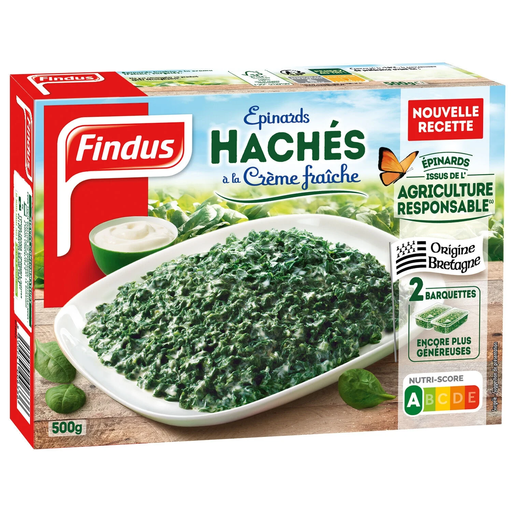 Image unavailable
Think of this as a side to share rather than a complete meal. Before taking it with you, check the preparation method, storage instructions after cooking and allergens on the packaging.
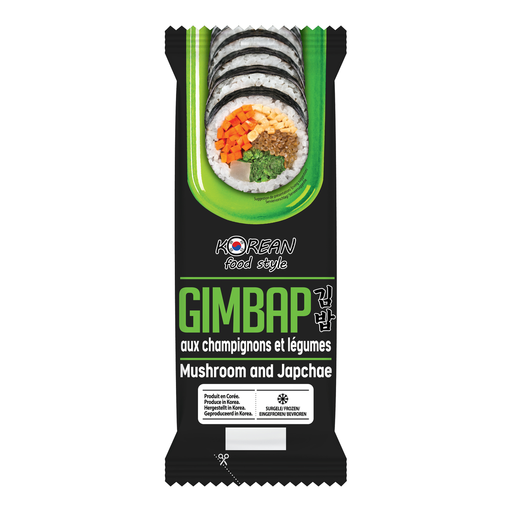 Image unavailable
This 230 g frozen gimbap could be a good option if you’re looking for an individual portion. To decide whether it’s the right amount to take, check the recommended portion, defrosting instructions and ingredients on the packaging.
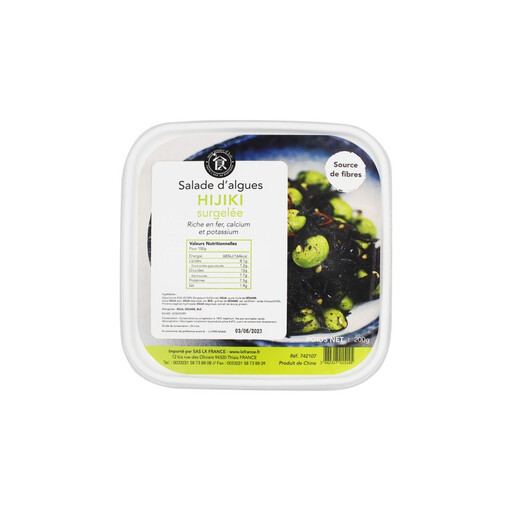 Image unavailable
This 200 g frozen seaweed salad makes a chilled side dish. Before choosing it for a picnic, check how much you’ll serve and follow the instructions for defrosting, transport and consumption.
No. The energy content also depends on how much you eat. Picard lists 79 kcal per 100 g and 119 kcal for a stated 150 g portion of its vegetable noodles with soy sauce. If you serve yourself more, recalculate the amount for your plate.
Compare similar products, then look at their portion sizes and nutrition information. Santé publique France and Manger Bouger describe the Nutri-Score as a comparison aid, not a replacement for the label.
It depends on the instructions: check whether it needs cooking, reheating or defrosting before you eat it. Follow the storage instructions. For transport, ANSES recommends limiting the time food spends out of the cold, and DGCCRF advises taking a cool box on your picnic.
Read the ingredients, highlighted allergens and any ‘may contain’ statements for the exact product. The name of a recipe alone isn’t enough to know whether it’s suitable for everyone.
Not necessarily: protein content and energy content answer two different questions. For its chicken, red lentil dahl and rice dish, Picard lists 121 kcal per 100 g and a 400 g pack. Compare the energy content with the amount you plan to eat.