Canteen manager dealing with variable footfall
When the number of meals served changes from day to day, individually counted items make it easier to adjust how many you put out and save you having to cut a cake for just a few diners.


In a workplace canteen with variable footfall, individually portioned desserts save you having to cut them up and make it easier to count how many to serve. A box of mini desserts also gives you a set number of items, provided you check the weight of each one. A sharing cake is a better fit when you can predict how many people will be eating and organise the cutting. Whatever format you choose, check the allergens, preparation instructions and storage conditions for the product.
When the number of meals served changes from day to day, individually counted items make it easier to adjust how many you put out and save you having to cut a cake for just a few diners.
If you’re serving desserts on trays, the number of items and how they need to be prepared matter just as much as the box size. An item may need to be defrosted or brought up to temperature before serving.
You need to be able to check the exact recipe, allergens and storage instructions right through to service, particularly when desserts are unwrapped or cut up.
When choosing between individual portions, mini desserts and a sharing cake, start with the number of servings you need and how much preparation your team can manage during service. Frozen desserts also need to be kept at the right temperature.
Choose this if: every tray needs a set portion with no cutting, especially when numbers vary.
Bear in mind: a box may contain several portions, so count how many items can actually be served.
Choose this if: your team wants to share out small, individually counted items. E.Leclerc, for example, offers packs of eight mini sponge cakes.
Bear in mind: one item may not be enough for the portion you have in mind, and you’ll need to manage any leftovers once the box is open.
Choose this if: you can predict how many people will be eating and your team can cut portions during preparation.
Bear in mind: cutting takes time, and you’ll need a way to keep allergen information available during service.
| Criteria | What to check | Diners and needs to consider |
|---|---|---|
| Portions and leftovers | Number of items per box and the weight of each item; how many to take out based on the meals planned. | When people eating alone and variable footfall mean you need to serve individual portions without cutting into a large cake, portion control comes first; around 29% of consumers would put this need at the top of their list. |
| Speed of service | Whether defrosting or bringing the product up to temperature is required; handling before distribution. | If trays need to be prepared quickly, I look for items that fit easily into the service routine; speed would be the priority for around 29% of consumers. |
| Allergens and storage | Ingredients and allergens for the exact product; the temperature and instructions shown on its packaging. | To serve unwrapped desserts while keeping recipe information clear, you also need to be able to follow their storage instructions; around 21% of consumers would prioritise these checks. |
| Range and quantities | Formats available from your chosen retailer and the number of portions you can actually serve from each pack. | When you need to offer a choice of desserts despite changing numbers, I look for pack sizes that suit the quantities to be prepared; this would be the main consideration for around 21% of consumers. |
A box of two or six items may make individual serving easy, but that doesn’t mean the contents amount to a single portion. The total weight also doesn’t tell you how large each dessert is.
To plan your service, check the number of items, the weight of each one and how many you intend to give each diner.
The DGCCRF points out that a rise in temperature can speed up microbial growth and shorten the shelf life of a food product.
Check the label instructions, your storage capacity and the conditions for internal transport and holding the product until service.
After a dessert has been unwrapped or cut, your team still needs to be able to match it to the correct recipe. Légifrance states that, for relevant non-prepacked foods, information about substances or products that cause allergies or intolerances must be shown on or close to the food, with no ambiguity.
Keep the information for every product you serve and update it if the product or recipe changes.
These retailers offer examples of pack formats to compare for a canteen. Check the range at the store or through your chosen ordering channel.
Its individual pastries range includes a frozen sponge cake in a pack of 2 × 90 g.
The retailer offers gooey-centred cakes in packs of two, mini sponge cakes in packs of eight and larger desserts.
Its frozen pastries range includes products in multi-packs and desserts advertised as serving several people.
Lidl features an ice cream category among its frozen products.
Its frozen dessert range includes mochi, ice cream cups, ice lollies and tubs.
Picard has separate ranges for individual pastries and individual frozen desserts, with portions sold loose or in small boxes.
The products below show two ways to organise service: hand out individual frozen desserts or plan to cut a cake. For frozen products, only choose a format if your canteen can follow the storage instructions on the packaging right through to service.
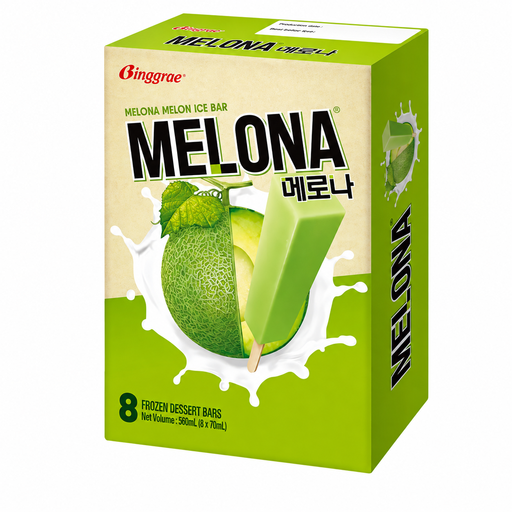 Image unavailable
For individual servings with no cutting, this box contains eight 70 ml ice lollies. Before adding them to your service, check the allergens and storage instructions on the packaging for the batch you’re serving.
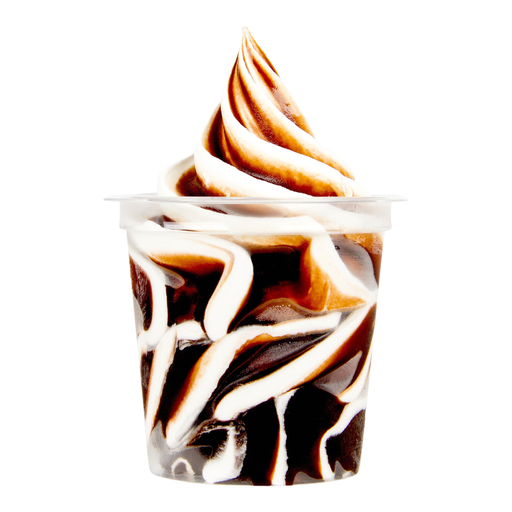 Image unavailable
The tub format may suit a service that doesn’t involve cutting. Each tub is listed as 140 ml; check the number of tubs in the pack and the label on each batch for allergen and storage information.
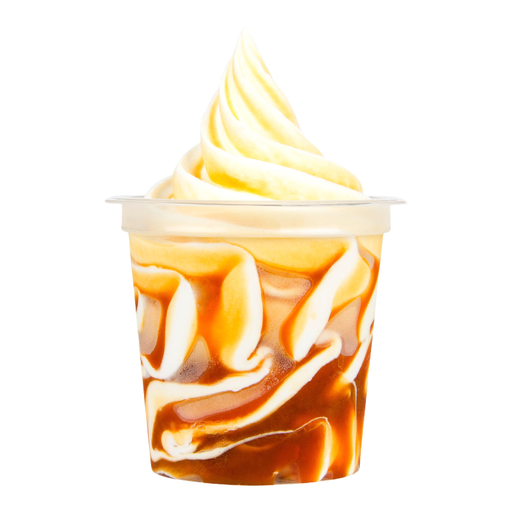 Image unavailable
This 140 ml tub is another option for serving a frozen dessert without cutting. Count the tubs in each pack before ordering, and check the batch label for allergens and storage conditions.
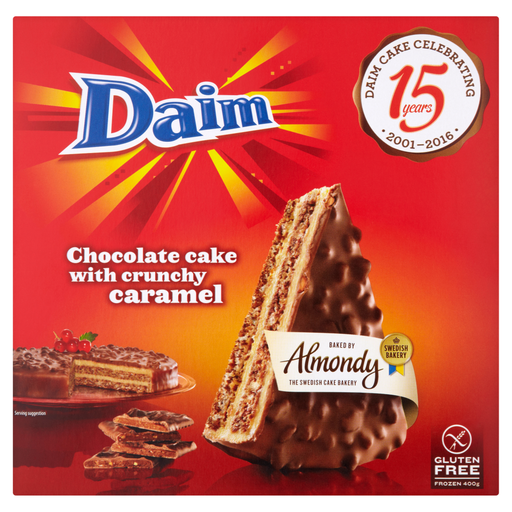 Image unavailable
This 400 g cake is designed to be cut into portions rather than served as pre-portioned slices. Decide how many portions you’ll serve, then follow the product instructions for defrosting, storage and allergen information.
Start with the number of diners you expect and how many items or portions you plan to serve each person. Then check what’s actually in each box: the total weight isn’t enough to tell you how many portions it contains, especially if you’re cutting up a cake. Adjust the quantities based on your canteen’s usual footfall.
Compare the number of portions you can actually serve with the preparation involved. Mini desserts are already individually counted, but they need to be the right size for the dessert you have in mind. A cake needs to be cut and may leave you with portions after service.
Keep information linked to the exact recipe you’re serving and make it easy to find and understand. For relevant non-prepacked foods, Légifrance says information about substances or products that cause allergies or intolerances must be shown on or close to the food. Keep the packaging or corresponding product sheet, and update the information if the recipe changes.
Yes, as long as your set-up allows you to follow the product’s storage instructions while it’s in storage and right through to service. The DGCCRF highlights the consequences of breaking the cold chain, so check your freezer capacity and how long the product will need to wait before distribution.