Hosts serving a dessert to share
If you want to serve one dessert for everyone at the table, look at cakes, entremets and tarts with enough portions for your guests. Carrefour, Auchan and Picard, for example, feature sharing formats in their ranges.


For a special meal, choose a cake or entremets to serve as a shared dessert, individual portions if tastes differ, or a frozen dessert if its texture is part of the appeal. Then check the number of portions and the ingredients of the exact product, along with its storage instructions and availability at your chosen collection point.
If you want to serve one dessert for everyone at the table, look at cakes, entremets and tarts with enough portions for your guests. Carrefour, Auchan and Picard, for example, feature sharing formats in their ranges.
Macarons, petits fours and individual desserts let you offer a choice of portions or recipes. Compare the number of pieces and the total weight before deciding how much to order.
If ingredients matter to your guests, check the ingredients and allergens for the exact product. Also plan how you’ll transport it and keep it cold after collection: the DGCCRF stresses the importance of maintaining the cold chain.
Choose this: if everyone can share the same dessert served at the table.
Bear in mind: a single dessert offers less choice if guests have different preferences or dietary restrictions.
Choose this: if you’d like to offer several recipes or make it easy to share out the pieces.
Bear in mind: the number of pieces alone doesn’t tell you how much each person will get.
Choose this: if you’re specifically looking for a dessert to serve frozen, such as a vacherin.
Bear in mind: follow the storage and serving instructions when transporting and preparing it.
| What to consider | What to check | Who is this for? |
|---|---|---|
| Format and presentation | Advertised number of portions and net weight, based on the number of guests. | I want to serve one dessert for everyone without running short on portions; around 40% of consumers would put this need for the right format first. |
| Recipe | The type of dessert and its ingredients, rather than just the word “premium”. | I’m looking for a recipe my guests will enjoy to make the meal feel special; the recipe would be the main consideration for around 30% of consumers. |
| Ingredients | Ingredients, clearly highlighted allergens and nutritional information per 100 g if you’re comparing products. | If a guest needs to avoid certain ingredients, I check the exact product before ordering; nearly 20% of consumers would prioritise this compatibility. |
| Collection and storage | Whether the product is available at your chosen collection point and the storage instructions on its packaging. | I need to be able to collect the planned dessert and put it away in the cold promptly; around 10% of consumers would put this planning ahead of other considerations. |
A cake to share and a box of bite-sized pieces won’t necessarily work in the same way at the table. Their weight and number of portions may differ.
Compare the net weight and the stated portions or pieces for desserts intended for the same occasion.
The term doesn’t tell you whether the ingredients are suitable for guests with dietary restrictions. The DGCCRF states that allergens must be clearly highlighted on the labels of prepacked foods.
Read the ingredients list for the exact product before ordering, then check the packaging when you collect it.
A product appearing in a catalogue doesn’t confirm that it’s available at your chosen collection point. For one of its dessert listings, E.Leclerc advises customers to check with the store.
Select your store and collection slot before settling on a dessert for the meal, and keep another suitable format in mind.
The journey and any stops along the way make it harder to keep the dessert cold. The DGCCRF recommends minimising the time frozen food is in transit and putting it away promptly.
Plan your collection accordingly, use an insulated bag if possible and follow the temperature stated on the label. Do not refreeze food that has been defrosted.
These retailers offer a useful comparison of formats and recipes. Select your collection point to see what’s available locally.
A specialist range worth browsing if you’re deciding between pâtisserie to share, individual portions and frozen desserts.
Worth a look if your collection point offers the Carrefour Selection or Carrefour Extra ranges.
A handy option for comparing individual desserts, pâtisserie to share and frozen desserts at your chosen collection point.
Worth considering if your E.Leclerc store offers this frozen dessert range.
These products are suited to choosing a frozen dessert: a vacherin to serve at the table and mochi in individual portions. For a special meal, check that the format suits your guests and follow the storage and serving instructions for the product you choose.
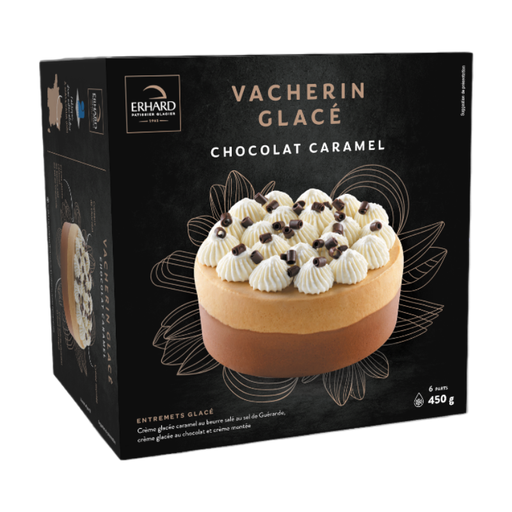 Image unavailable
A vacherin to consider if you’d like to serve one dessert for everyone at the table; check that 450 g is enough for your guests.
Allow the defrosting time stated for this product before serving. Check its ingredients list and allergens if necessary.
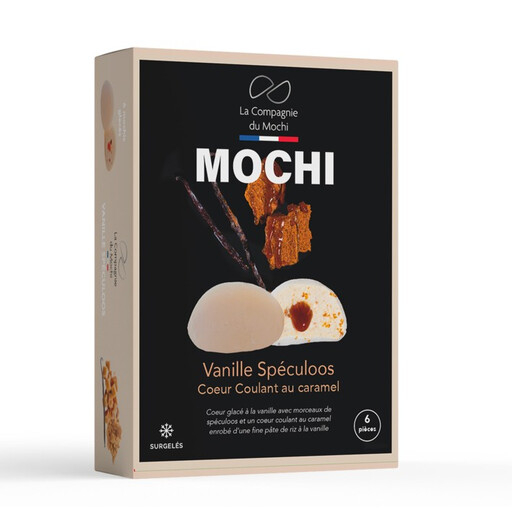 Image unavailable
Six frozen mochi to consider if you’d rather serve individual pieces than a cake to slice.
The product description combines speculoos, vanilla and a caramel centre. Check the allergens on the packaging when you collect it.
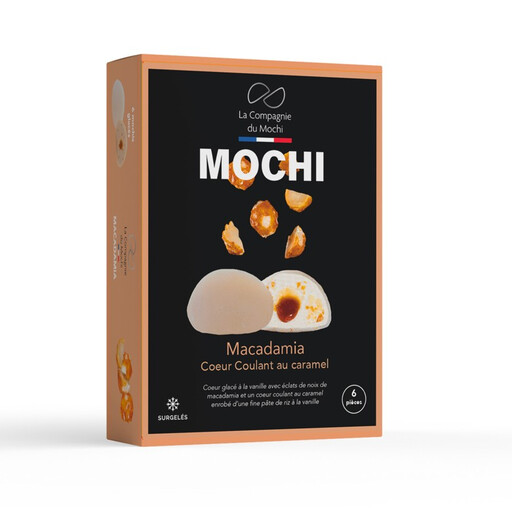 Image unavailable
A pack of six for an assortment of individual desserts; choose it only if the recipe suits your guests.
The product description mentions vanilla, a caramel centre and macadamia. It also warns of a choking risk from small pieces for children under 4.
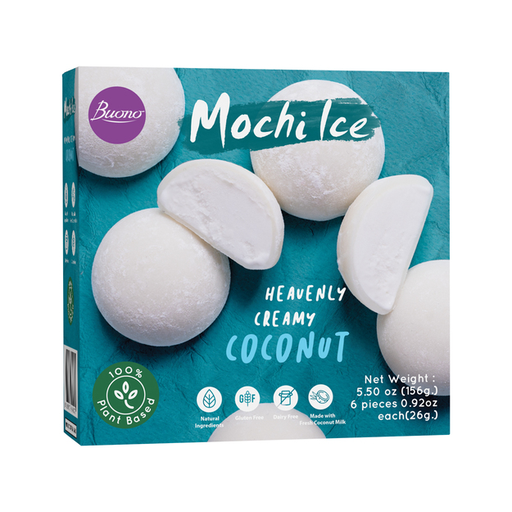 Image unavailable
Frozen mochi to consider if you’d prefer to serve bite-sized pieces rather than one centrepiece dessert.
The pack states 156 g. Check the flavours and ingredients of the product you choose, as well as its storage instructions.
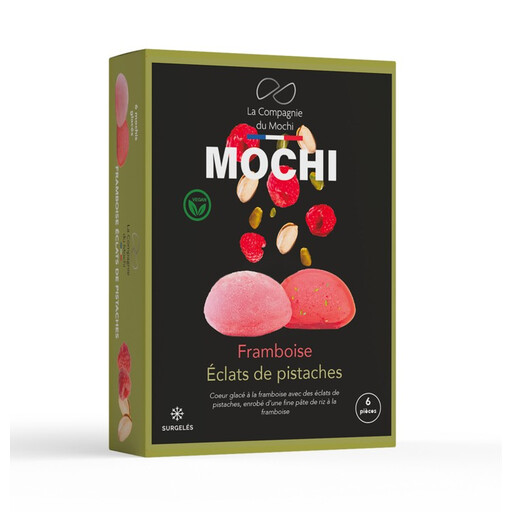 Image unavailable
Six frozen mochi to consider if you’re putting together an assortment of individual portions.
The recipe combines raspberry and pistachio; check the ingredients and allergens on the packaging, especially if a guest needs to avoid nuts.
Start with the stated number of portions or pieces, then check the net weight. A cake listed as serving several people and a box of bite-sized pieces won’t divide up in the same way among your guests.
No: it doesn’t replace checking the recipe and format. Compare the dessert description, ingredients, weight and preparation instructions for products you could serve in the same way.
Check the ingredients and allergens for the exact product before ordering, then read the packaging again when you collect it. In France, the DGCCRF states that allergens must be clearly highlighted on the labels of prepacked foods; don’t assume the ingredients from a photo or the dessert’s name alone.
Keep the journey as short as possible and put the dessert away promptly at the temperature stated on its packaging. The DGCCRF recommends using an insulated bag if possible, specifies −18 °C for frozen food, ice lollies, ice cream and sorbets, and says never to refreeze food that has been defrosted.
Check the product after choosing your store and collection slot. For example, an E.Leclerc dessert listing advises customers to contact the store to check availability, so the catalogue alone isn’t enough to plan the dessert for your meal.