Hosts who want one portion per guest
If you’d like to serve dessert without cutting a cake, distinguish between a pastry sold as “1 portion” and a box containing several small pieces. Picard, Carrefour and E.Leclerc offer these different formats.


To serve everyone a defined portion without having to cut anything, choose a pastry labelled as an individual portion or “1 portion”. If you’d rather offer a selection of smaller treats, check the number and size of the pieces: a macaron or mochi isn’t necessarily the same as a portion of pastry. For frozen desserts, also make sure you can serve them in line with the product’s storage instructions.
If you’d like to serve dessert without cutting a cake, distinguish between a pastry sold as “1 portion” and a box containing several small pieces. Picard, Carrefour and E.Leclerc offer these different formats.
Macarons, mini fondant cakes and mochis let you offer different kinds of dessert. To see what everyone can choose from, check the number of pieces and what’s in each box, as with the selections available from Carrefour, Auchan, E.Leclerc and ALDI.
When several guests are sharing an assortment, it’s important to check the label on every product. The DGCCRF states that allergens must be highlighted on the labels of prepacked foods sold in France.
Decide whether each guest should have a full portion or be able to choose from smaller pieces. Then check the labels and plan how you’ll serve the desserts, depending on whether they need preparing or must be kept frozen.
| What to consider | What to check | Who is this for? |
|---|---|---|
| Number of portions | The “1 portion” or “individual” label, followed by the number of pieces and their weight. | I want to give everyone a clearly defined portion without cutting anything or mistaking a mini treat for a full dessert. This is a priority for around 30% of consumers. |
| Choice of treats | The flavours in the box and the number of pieces of each type. | If my guests would like a choice of treats, I’d rather offer an assortment than a single flavour. Around 30% of consumers put choice first. |
| Allergens | The ingredients list and any allergens highlighted on each pack. | Before serving a group, I need to check that each product is suitable for the guests concerned. This is the top priority for around 20% of consumers. |
| Storage and serving | The product’s own storage, preparation or defrosting instructions. | If I’m serving frozen desserts, I want to keep them cold until it’s time to serve rather than leaving them out on the table. Around 20% of consumers prioritise this kind of planning. |
Macarons, mochis and mini fondant cakes are sold by the piece, but they’re not the same size as a pastry labelled “1 portion”. So the number of pieces in a box doesn’t tell you how many full portions it provides.
Compare the type of dessert, the number of pieces and their weight. If everyone should have a full pastry, look for a portion that’s explicitly labelled as such.
A recipe or photo won’t tell you all the allergens in a product. If an assortment contains several different products, you’ll need to check each one before serving.
Read the label on every product you buy and look for highlighted allergens, as advised by the DGCCRF.
Pre-portioned desserts are easy to hand out, but they still need to be stored according to the instructions on the pack. Anses stresses the importance of maintaining the cold chain.
Prepare the number of portions you plan to serve, take them out at the time specified for the product, and follow its storage and defrosting instructions.
Worth exploring if you’re looking for a frozen pastry sold as “1 portion” or an individual frozen dessert.
A range to browse if you’re choosing between small boxes and pastries sold in counted portions.
A retailer to explore for Marque Repère frozen pastries sold in boxes.
A range where you can compare different kinds of mini pastries and boxed frozen desserts.
A retailer to consider for multipacks of frozen desserts.
You can browse Lidl’s frozen food range when planning your shop.
These products are frozen desserts or frozen mochis that can be served individually or as small treats with coffee. To choose the right option for your group, distinguish between boxes that state how many pieces they contain and products where you’ll need to check this before buying.
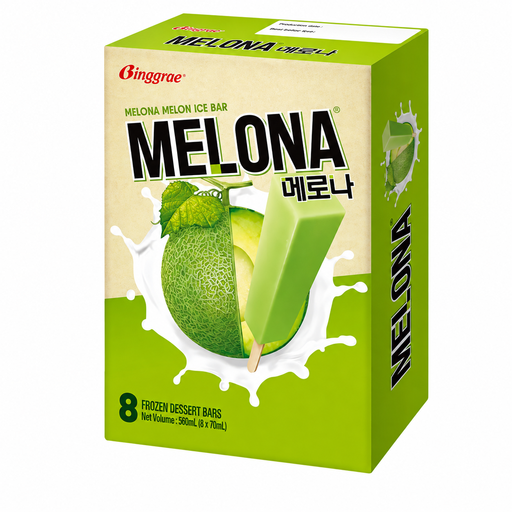 Image unavailable
For serving ice lollies without cutting anything: the box contains eight 70 ml lollies. This format isn’t necessarily equivalent to a portion of pastry.
Check the storage instructions before serving. The product description mentions the E102 colourant and includes a warning about children’s activity and attention. Also check the label and allergens before serving.
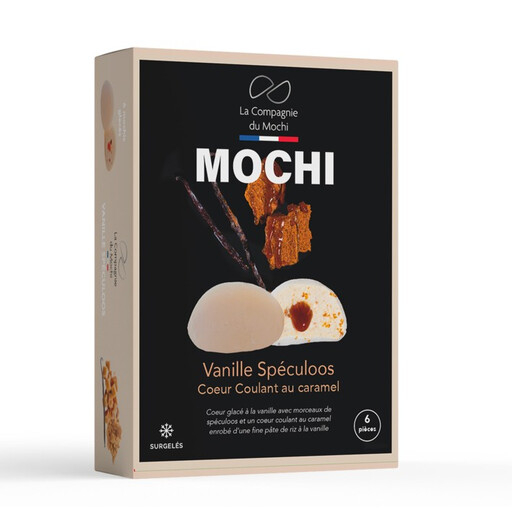 Image unavailable
For offering small frozen treats to share among your guests: the box contains six pieces, but one mochi shouldn’t be counted as a full pastry portion.
The description mentions milk, wheat, barley and soya, as well as a choking hazard and a warning that the product is not suitable for children under 3. Check the label for other allergens and serving instructions.
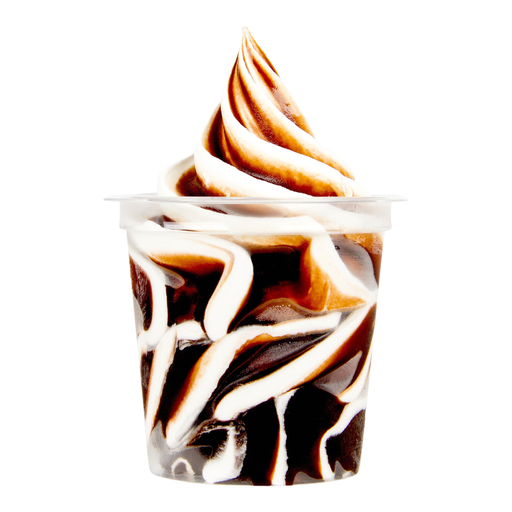 Image unavailable
For serving a frozen dessert in a cup rather than a pastry that needs cutting: each cup is listed as 140 ml. Check how many cups are included in the pack before planning one per guest.
Check the packaging for allergens and storage instructions before serving.
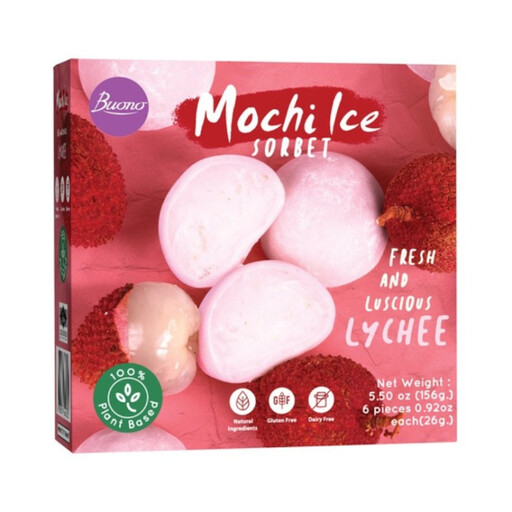 Image unavailable
For offering small pieces of frozen lychee mochi. Before sharing the pack among your guests, check how many pieces it contains and how much they weigh.
Follow the storage instructions on the packaging and check the ingredients and allergen information.
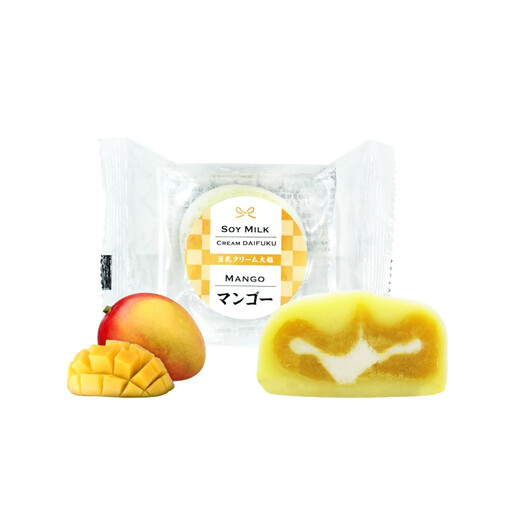 Image unavailable
For serving mango and soya daifuku mochi after defrosting. Check how many pieces are included and the defrosting time stated on the packaging before deciding when to serve them.
The description mentions soya and the E102 colourant. Read the label for allergen information and instructions for the product you buy.
Start with the number of people who’ll be having dessert, then compare it with the number of portions or pieces listed on the packaging. If you’re serving mini treats or a selection of flavours, decide how many pieces you’d like to offer each person: six mochis don’t necessarily make six portions of pastry.
Read the ingredients list and check for highlighted allergens on the packaging of every product you plan to serve. For prepacked foods sold in France, the DGCCRF highlights this labelling requirement. The name or photo of a dessert is no substitute for reading the label.
Instead, take each product out according to its own instructions, just before you plan to serve it. Anses recommends maintaining the cold chain. If you’re serving dessert over a longer period, keep any remaining portions under the storage conditions stated on the packaging.