Households serving one or two portions
A dessert made up of individual pieces lets you take out just the amount you want without cutting into a whole cake. The assortments from Auchan and Carrefour are examples of this format.


If you want to keep two options in the freezer, choose one dessert made up of individual portions and, if you’re planning meals for a group, another with a stated number of servings. The first lets you take out a small quantity; for the second, check how many people it serves and follow the serving instructions. In both cases, read the storage instructions and allergen information on each pack.
A dessert made up of individual pieces lets you take out just the amount you want without cutting into a whole cake. The assortments from Auchan and Carrefour are examples of this format.
If your make-ahead meals sometimes include guests, a dessert with a stated number of servings can help you choose your second option. Picard, for example, offers cakes that serve several people.
A tub of ice cream or sorbet lets you choose how much to serve each time, rather than offering pre-set portions. E.Leclerc includes these formats in its range.
To choose two desserts that complement each other, start with the amount you usually serve. Then check whether the dessert intended for a group can be prepared in time.
| Criterion | What to check | Who is it for? |
|---|---|---|
| Portions with no leftovers | Number of pieces and net weight; how each piece is served. | If I often serve dessert to one or two people, I want to be able to take out a small amount without cutting into a whole cake. Around 42 % of consumers would prioritise portions that avoid leftovers. |
| Dessert to share | Stated number of servings and freezer space required. | For a meal planned with several guests, I need a format that suits the number of people at the table. This would be the priority for around 33 % of consumers. |
| Preparation before serving | Defrosting or cooking instructions and equipment required. | When a meal is already planned, I don’t want to discover at the last minute that I need an oven or have to wait for something to defrost. Around 25 % of consumers would prioritise preparation that fits the time and equipment they have available. |
A cake with several servings can leave leftovers when you only want a small amount.
Keep some space for individual portions; choose a dessert to share as your second option if you’re planning meals for a group.
Auchan’s chocolate fondant, for example, comes with cooking instructions. Even though it contains two pieces, you’ll still need to allow time to prepare it.
Check the pack for the exact product you choose to see what equipment you’ll need and how long to allow before serving.
Storage instructions and ingredients vary between desserts. A format that works for portioning doesn’t necessarily mean it’s suitable for everyone at the table.
Follow the pack’s temperature instructions, don’t refreeze a product once defrosted, and check the allergen information for each recipe.
Its frozen dessert range includes, among other things, yule logs and mochi in multi-piece packs.
Its range includes tubs of ice cream, sorbets and desserts in multi-piece packs.
Its range includes frozen pastries, including a chocolate fondant sold in a pack of two.
Its range distinguishes between individual desserts and cakes to share.
Its frozen food range includes ice cream and frozen desserts, including products from the MUCCI range.
These products fit the space set aside for individual portions: four frozen desserts and frozen waffles to heat up. To complete your selection of two desserts with something to share, choose a separate product with a stated number of servings and instructions that suit your meals.
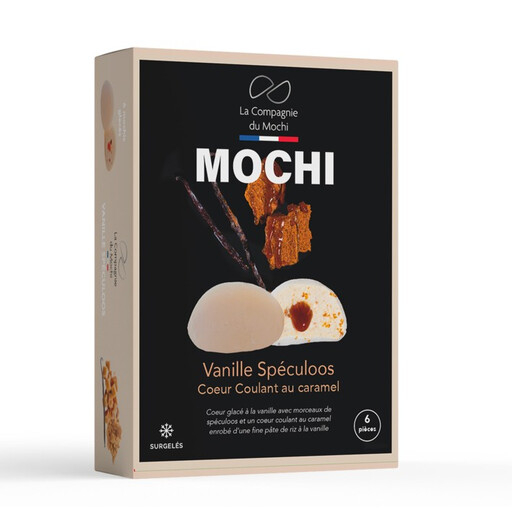 Image unavailable
The six 33 g mochis let you take out individual pieces. Store at −18 °C or below and leave to soften slightly before eating; do not refreeze once defrosted. Contains milk, wheat, barley and soya. The product description warns that it may present a choking hazard and is not recommended for children under 3 years of age.
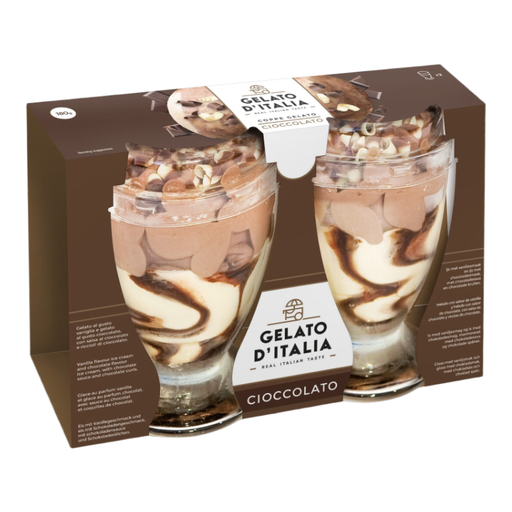 Image unavailable
The two cups are ideal when you want to serve a small amount. Store at −18 °C or below; check the serving instructions on the pack and do not refreeze once defrosted. Contains milk and soya.
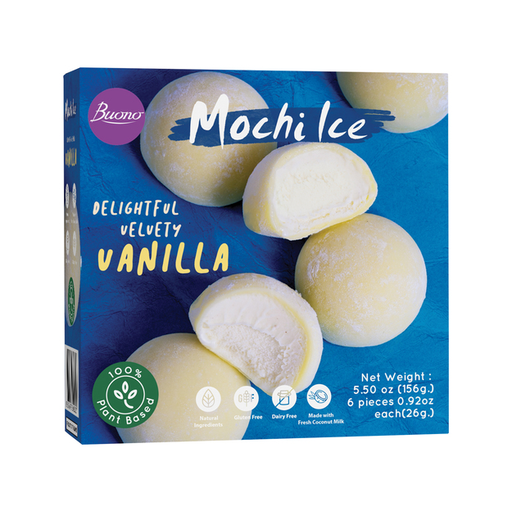 Image unavailable
This pack of six mochis lets you serve individual pieces. Store at −18 °C or below; check the serving instructions on the pack and do not refreeze once defrosted. If halal certification is important to you, check that it is valid on the current packaging.
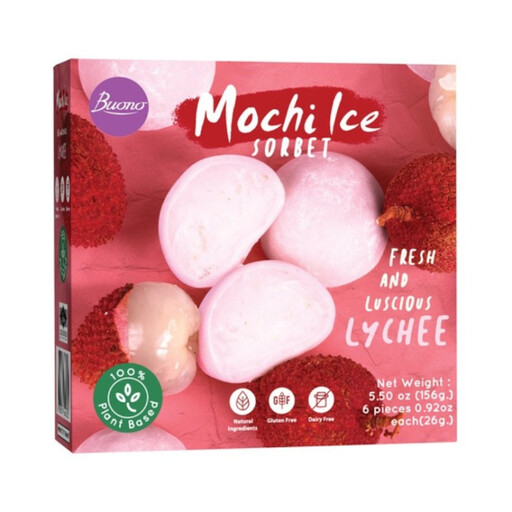 Image unavailable
The individually wrapped bites can be taken out separately. Check the number of pieces on the pack to plan your servings. Store at −18 °C or below and do not refreeze once defrosted.
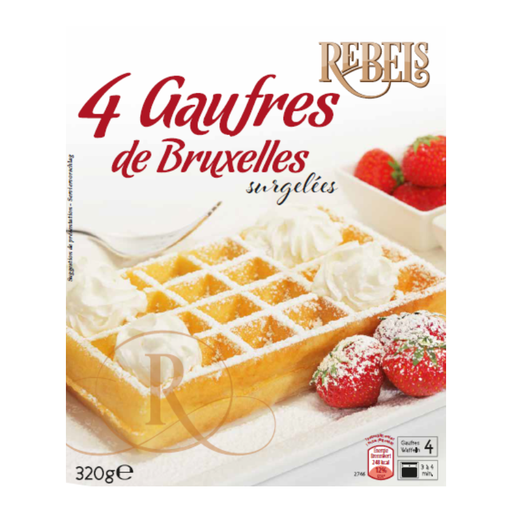 Image unavailable
The four waffles give you individual portions of a dessert to prepare just before serving. They need to be heated in the oven or toaster, so check the timings on the pack. Contains wheat, eggs and soya.
Pair individual portions with a dessert that has a number of servings to suit the meals you’re planning for a group. If you rarely serve dessert to a group, a tub of ice cream or sorbet could also work as a second option, as you can adjust how much you serve.
Follow the temperature and date shown on each pack. Anses states that freezing food at home at −18 °C stops bacteria from multiplying; some of the desserts mentioned here need to be stored at −18 °C or below.
Do not refreeze a dessert once it has defrosted. Anses advises against refreezing defrosted food, and the same instruction appears on some frozen desserts sold by Picard and Joybuy.
Check the ingredients and allergen information on the label of the exact product, including any warnings about possible traces. The DGCCRF states that allergens must be highlighted in the ingredients list on prepacked food; don’t assume what a dessert contains based on its type alone.
Compare the nutritional values on the same basis, per 100 g or per 100 ml, then consider how much you’ll actually serve. The DGCCRF states that prepacked foods show this information on a common basis in their nutrition declaration; this doesn’t replace checking the portion size.