People sharing a dessert
You’re looking for a size that suits the number of people and want to check the weight and how many portions you can actually serve.


For a group, a sharing tart is a good choice if you can cut it on site and follow its storage instructions. Individual portions save you the trouble of cutting; for a frozen dessert, make sure you can keep it at the temperature shown on the packaging during transport and until serving.
You’re looking for a size that suits the number of people and want to check the weight and how many portions you can actually serve.
You need to transport the dessert to where you’ll be eating. The DGCCRF recommends using an insulated bag and keeping transport time to a minimum.
You check the ingredients and allergens for anyone who needs to avoid them. Nutritional information per 100 g can also help you compare recipes.
First, choose a format you can serve to your group, then check that its storage instructions are compatible with your journey and lunchtime.
| Criteria | What to check | Who is it for? |
|---|---|---|
| Portions to serve | The net weight, number of pieces or slices, and whether you can cut the dessert on site. | If I’m sharing dessert, I want everyone to have a portion without having to transport a format that’s the wrong size for the group. Around 42% of consumers would put this need first. |
| Transport and serving | The recommended storage temperature, journey time, and any defrosting or preparation instructions. | If I’m having lunch somewhere without a freezer, I need to be able to keep the dessert under the recommended conditions until it’s served. This would be the priority for around 33% of consumers. |
| Ingredients | The ingredients list, declared allergens and nutritional information per 100 g. | If someone in the group needs to avoid an ingredient, I’d rather check the label before choosing a recipe. Around 25% of consumers would prioritise this compatibility. |
When you’re having lunch away from home, there’ll be a gap between taking the dessert out of the freezer and serving it. The DGCCRF recommends using an insulated bag and keeping transport time to a minimum.
Pick up frozen food last when you’re shopping, and follow the temperature and preparation instructions on the packaging.
Ingredients and allergens vary from one dessert to another, so the product name or appearance alone won’t tell you what it contains.
If someone in your group has an allergy, read the ingredients list, check which allergens are highlighted and look for any warnings about possible traces on the packaging.
E.Leclerc offers frozen own-label pastries and viennoiseries.
Picard offers pastries, frozen desserts, individual portions and sharing formats.
Auchan’s frozen food range includes pastries, frozen desserts, and both sharing and individual formats.
Carrefour’s own-brand range includes frozen desserts.
ALDI’s range includes own-brand desserts.
Lidl offers frozen fruit, which you could serve alongside a dessert.
These products are frozen desserts or frozen bites in individual portions. For lunch on deck, choose between individual servings and sharing, then check each product’s storage instructions before setting off.
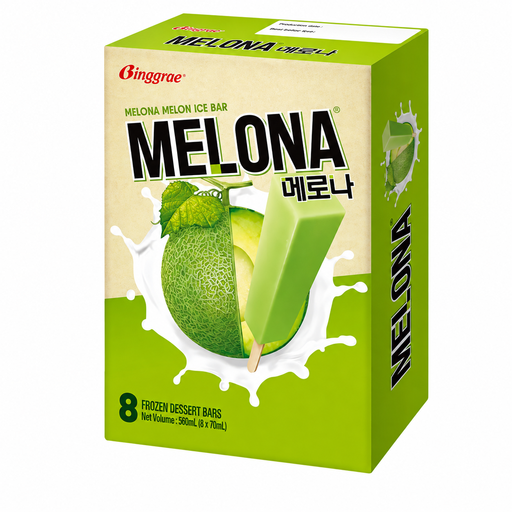 Image unavailable
The ice bar format lets you serve several people without having to cut anything.
The pack contains eight 70 ml ice bars. Make sure you can keep them cold until serving, and check the packaging for storage instructions.
 Image unavailable
These frozen bites are easy to serve without cutting, as long as you can store them as directed on the packaging.
The pack contains 170 g. Check the ingredients for anyone in your group with an allergy.
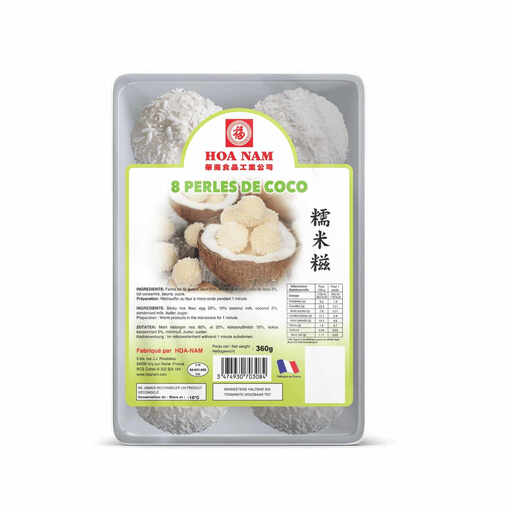 Image unavailable
The eight pieces can be served without cutting, as long as you allow time to defrost them before lunch.
The Joybuy listing recommends storing them at −18 °C or below and says not to refreeze the product after defrosting.
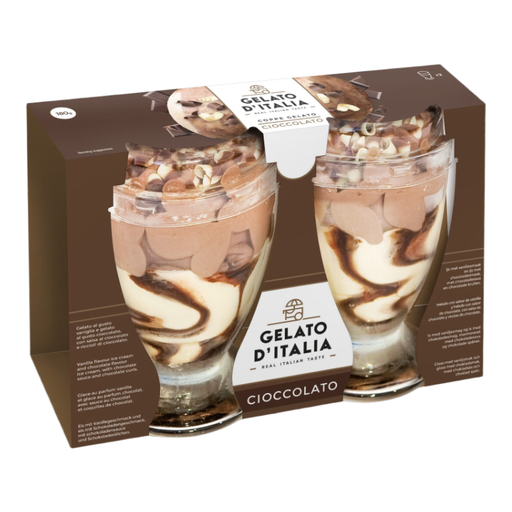 Image unavailable
The two tubs make handy individual portions for lunch for two, provided you can keep them at the right temperature during the journey.
Each tub weighs 90 g. Check the packaging for serving instructions and allergen information.
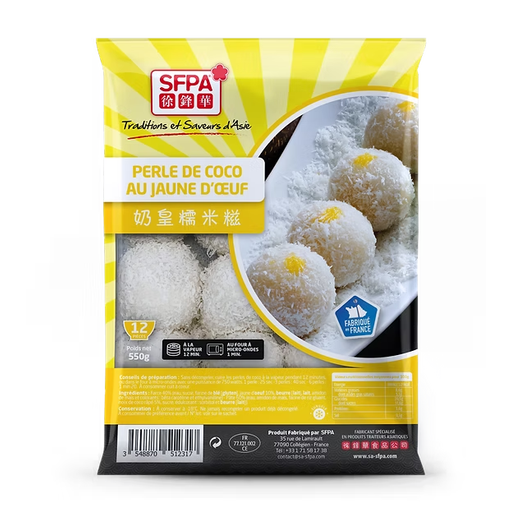 Image unavailable
The 12-piece format is easy to serve without cutting, as long as the preparation instructions fit your lunchtime plans.
Before choosing this product, check the packaging for the ingredients, allergens and storage instructions.
Yes, as long as you can follow its storage instructions until it’s served. The DGCCRF recommends using an insulated bag and keeping transport time to a minimum. Also check the temperature shown on the packaging of your chosen dessert.
For pre-packed food sold in France, check the ingredients list and look for allergens highlighted on the label. The French Ministry of the Economy reiterates this labelling rule; if someone in your group has an allergy, also check for any warnings about possible traces.
Yes. Values given per 100 g or 100 ml provide a consistent basis for comparing products. As the DGCCRF explains, this information appears in the nutrition declaration; you should also consider the portion you’ll actually serve.
No. The Joybuy listing for HOA NAM coconut balls says not to refreeze them after defrosting. For any other dessert, follow the instructions on its own packaging rather than assuming the same advice applies.