If keeping fat content low is your priority when choosing a dessert to enjoy with coffee, compare the figures per 100 g: the fruit ice lollies and sorbets listed below are low in fat, unlike the example of a pastry dessert. Then choose between an individual portion and a tub, and remember to check the sugars, allergens and storage instructions for the product you select.
Who are these options for?
Anyone prioritising fat content
If this is your main priority, check the figure per 100 g in the nutritional information instead of relying on a fruity flavour or the word “light”. The Auchan and Joybuy listings for the sorbet lollies mentioned here each show less than 0.5 g of fat per 100 g.
Anyone serving several people
A tub of sorbet lets you serve small scoops alongside other treats. An ice lolly, on the other hand, gives you a set individual portion: check its weight and the number of lollies in the pack before choosing a format.
Anyone checking sugars and allergens too
A low fat content tells you nothing about the sugars or traces of allergens. Check the nutritional information and labelling for each dessert you’re considering.
What should you look for?
Fruit ice lollies
Choose these if: you’d like to give everyone an individual portion with a fat content you can check.
Bear in mind: a set portion gives you less flexibility than a tub if you want to serve a small amount alongside other desserts.
Sorbet in a tub
Choose this if: you’d like to serve small portions to several people.
Bear in mind: you decide how much to serve; “0% fat” doesn’t tell you how much sugar it contains.
Frozen pastry
Choose this if: you’d rather have a pastry dessert than a low-fat option.
Bear in mind: it depends on the recipe: the LENÔTRE macaron and walnut mousse cake listed by Auchan contains 25 g of fat per 100 g.
| What to check |
What to look for |
Who is it for? |
| Fat |
Compare the amount per 100 g for specific products. Auchan mango and passion fruit lollies contain less than 0.5 g per 100 g; the LENÔTRE cake mentioned above contains 25 g per 100 g, according to their Auchan listings. |
I want to know the fat content before choosing a dessert: around 39% of consumers would put this first. |
| Sugars |
Check the “of which sugars” line per 100 g, even if the product says “no added sugars”. The Auchan listing for the mango and passion fruit lollies states that they contain 19 g of sugars per 100 g. |
If I’m also serving other sweet treats, I want to know how much sugar is in the frozen dessert; this would be the priority for around 23% of consumers. |
| Portions and serving |
Check the weight of each lolly and the number in the pack, or work out how much to serve from a tub. Auchan lists four 60 g lollies; Carrefour sells its raspberry sorbet in a 1 L tub. |
I’m preparing several plates and want to choose between a set portion and a small scoop: around 23% of consumers would prioritise this serving requirement. |
| Allergens and storage |
Check the ingredients, allergens and any possible traces on the packaging, then follow the storage and serving instructions. |
When guests have dietary requirements, I need to be able to check the product I’m actually serving; around 15% of consumers would put these precautions first. |
Mistakes to avoid
-
Assuming “fruity” or “light” is a nutritional claim
These words don’t tell you how much fat a product contains. The LENÔTRE macaron and walnut mousse cake contains 25 g of fat per 100 g, according to its Auchan listing, despite being described as having a light texture.
First compare the fat per 100 g in the product you’re considering, then look at its flavour and format.
-
Overlooking sugars when choosing a low-fat dessert
The Auchan listing for the mango and passion fruit lollies states that they contain 19 g of sugars per 100 g, despite “no added sugars” appearing in their name. These two details answer different questions.
Check “fat” and “of which sugars” in the nutritional information, then take into account the portion you’ll serve.
-
Assuming fruit sorbet is suitable for everyone with allergies
The Auchan and Carrefour listings for the products mentioned state that they may contain traces of allergens, which vary by product.
Check the ingredients and allergen information on the packaging of the product you’re going to serve.
-
Choosing a format without planning how to serve it
A tub is served with a spoon, while an ice lolly is an individual portion. In either case, the dessert must be stored and served according to the product-specific instructions.
Work out how many portions you need and only take out the amount you’re going to serve. Follow the storage and defrosting instructions on the packaging.
Brands to consider for these formats
AUCHAN
Its mango and passion fruit lollies are an example of an individual portion to compare when choosing a dessert to enjoy with coffee.
- The Auchan listing states that the pack contains four 60 g lollies and less than 0.5 g of fat per 100 g.
- It also states that they contain 19 g of sugars per 100 g and may contain traces of gluten, peanuts and nuts.
CARREFOUR EXTRA
Its raspberry sorbet comes in a 1 L tub, making it easy to serve by the scoop.
- The Carrefour listing describes this sorbet as “0% fat”.
- It states that the product contains 23.1734 g of added sugars per 100 g and may contain traces of several allergens.
POP FRUIT
The brand offers sorbet lollies, an individual format to consider depending on the flavour and product.
- The Joybuy listing for four 70 g mango lollies states that they contain 0.4 g of fat per 100 g.
- The same listing states that they contain 19 g of sugars per 100 g and may contain traces of allergens. Check that this specific product is available before choosing it.
Picard
Its frozen dessert range includes pastries and frozen desserts, among other options, in formats to suit different ways of serving.
- The range offers several types of dessert to consider when putting together a selection to enjoy with coffee.
- Check the nutritional information for the product you choose before selecting it for its fat content.
Frozen desserts available on Joybuy
This selection includes individual ice lollies and a sorbet. To find the right option for your coffee and dessert spread, compare the format and nutritional information for each product, then check its labelling before serving guests with allergies.
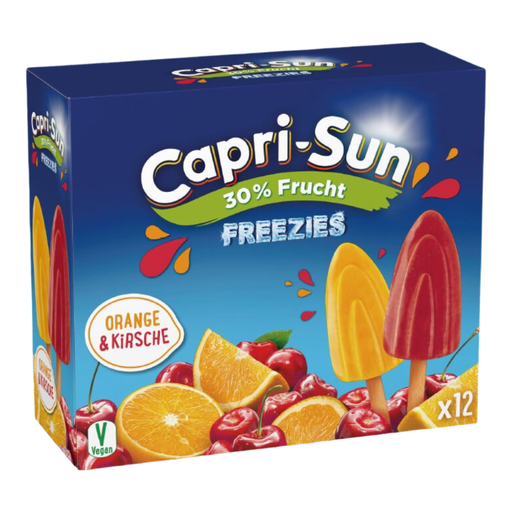 Image unavailable
CAPRI-SUN Orange & Cherry Ice Pops, 12 lollies, 444 g
Worth considering if you’d like to give each guest an individual ice lolly.
Box of 12, 444 g. Check the fat, sugars and allergens on the label before serving it alongside other desserts.
View on Joybuy
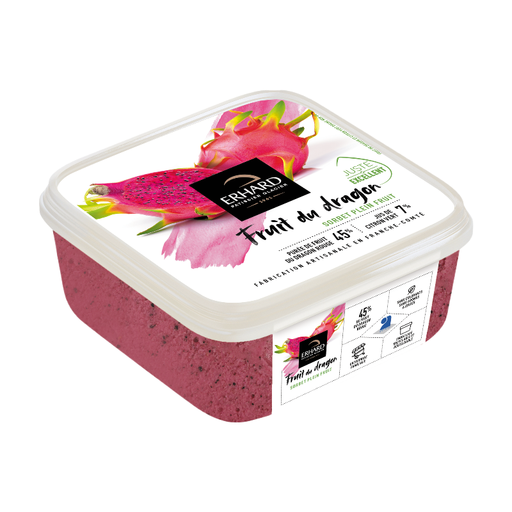 Image unavailable
ERHARD Dragon Fruit Lime Sorbet, 488 g
Worth considering if you’d rather serve sorbet than individual ice lollies.
488 g pack. Check the container and how much you’ll be able to serve, as well as the fat, sugars and allergens listed on the packaging.
View on Joybuy
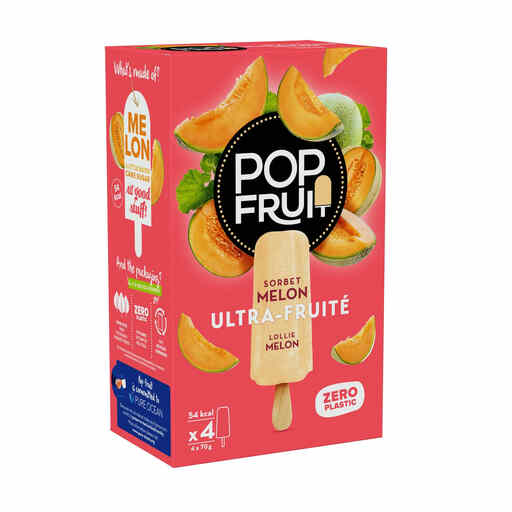 Image unavailable
POP FRUIT melon sorbet lollies, 4 lollies, 280 g
Worth considering if four individual portions are enough for your guests.
Four lollies, 280 g in total. Compare the nutritional information and allergens on the label, and check the storage instructions on the packaging before buying.
View on Joybuy
Frequently asked questions
How can I check whether a frozen dessert is low in fat?
Check the amount of fat per 100 g in the nutritional information and compare products on the same basis. For a solid food, European Regulation (EC) No 1924/2006 allows the claim “low fat” only for products containing no more than 3 g of fat per 100 g; the word “sorbet” or “light” alone isn’t a substitute for checking.
Does “no added sugars” mean low in sugars?
No: this claim doesn’t tell you the total amount of sugars. “No added sugars” appears in the name of the Auchan mango and passion fruit lollies, but their listing states that they contain 19 g of sugars per 100 g. So check the “of which sugars” line too.
Should I check for allergens in fruit sorbet?
Yes, because a fruit-based recipe doesn’t rule out the presence of allergens or possible traces. Check the ingredients and allergen information on the packaging of the product you plan to serve, rather than making assumptions based on its flavour.
How should I organise serving frozen desserts?
First, choose between individual portions and a tub to serve from, then follow the storage and defrosting instructions for each product. Take out the amount you need when you’re ready to serve, and don’t refreeze a defrosted product if the packaging says not to.


