Hosts keeping an eye on fat content
If fat content is a key factor in your choice, compare the nutritional values per 100 g of similar desserts rather than relying on the name or format.


To choose a frozen dessert with a lower fat content, compare the figures per 100 g for similar desserts: the word ‘light’ alone doesn’t prove that one contains less fat. For a garden party, choose a format that suits the number of guests, check the allergens in each recipe, and plan how you’ll transport and serve the desserts while keeping them cold.
If fat content is a key factor in your choice, compare the nutritional values per 100 g of similar desserts rather than relying on the name or format.
A cake to slice, bite-sized treats and individual portions all need different serving arrangements. Plan how many portions you’ll need and how to keep them cold until serving.
If you’re offering several recipes, check the ingredients and allergens on each pack before serving them to guests who may be affected.
For a garden party, start with the factor that will shape your choice: nutritional comparison, serving arrangements or recipe ingredients. Then check the other details for each dessert you’re considering.
| Factor | What to check | Who it matters to |
|---|---|---|
| Fat content | Compare the ‘fat’ value per 100 g for similar desserts, then consider the portion you’ll serve and the sugar content. | If I want to limit fat, I want to compare products on the same basis rather than rely on a label; around 37% of consumers would make this their priority. |
| Format and keeping cold | Check the number of portions or pieces and the storage instructions; plan to transport the dessert in an insulated bag. | When guests help themselves at different times, I look for a format that lets me serve portions without leaving all the desserts outside; nearly 36% of consumers would put serving arrangements first. |
| Ingredients and allergens | Read the ingredients list and the allergens shown on each pack, including those in mixed selections. | To welcome guests with different allergies or tastes, I need to check each recipe before offering it; around 27% of consumers would prioritise this check. |
A product description alone doesn’t tell you how much fat or sugar it contains. According to the DGCCRF, nutritional values per 100 g let you compare products on the same basis.
Compare desserts from the same category, then take into account the portion you’ll actually serve.
Slicing takes time, and a frozen dessert shouldn’t be left on the table while guests arrive. The Anses recommends limiting the time sensitive foods are transported or kept out of the cold.
Plan the portions in advance, keep the dessert cold, and follow the pack instructions for preparation and serving.
Ingredients and allergens can vary between individual treats and recipes. The DGCCRF reminds consumers that allergens must be clearly highlighted in the ingredients list on pre-packed foods.
Check every pack and keep the ingredient information to hand when serving.
Picard offers a range of frozen desserts, including cakes, pastries and frozen treats.
Auchan’s frozen pastry range includes several types of dessert and formats.
E.Leclerc DRIVE offers frozen desserts as part of its frozen food range.
These portioned sorbets could work well when you want to serve dessert without slicing. Their presentation or stated fat content alone doesn’t prove that they contain less fat than a similar dessert.
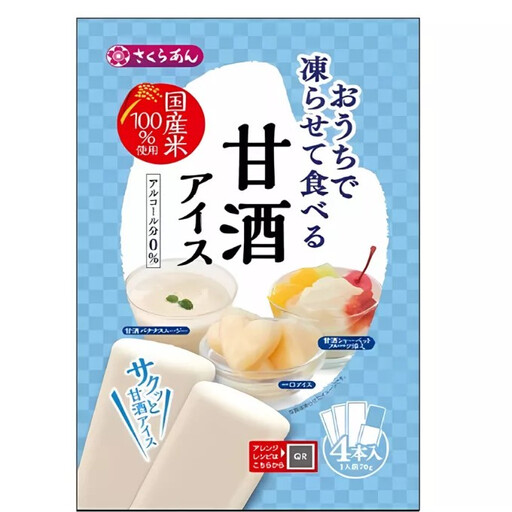 Image unavailable
This 280 g sorbet can be divided into portions for your party.
The product information states that it’s made in a facility that handles milk, soya and wheat. Check the packaging if a guest has an allergy. Store at −18 °C or below and do not refreeze after thawing.
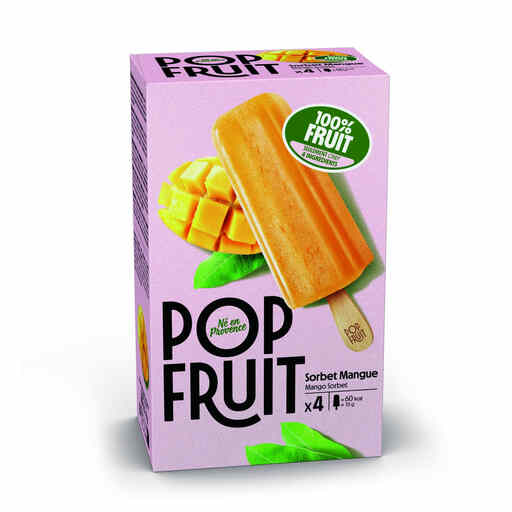 Image unavailable
The pack of four sticks is ideal for individual portions, with no slicing needed.
The product information warns that it may contain traces of cereals containing gluten, eggs, peanuts, soya, milk, nuts, mustard and sulphites. It also states that the product is not suitable for children under 36 months. Store at −18 °C or below and do not refreeze after thawing.
Compare their fat content per 100 g, ideally between desserts in the same category. The DGCCRF says that presenting nutritional values this way makes products easier to compare. Also check the sugar content and the portion you plan to serve.
No. Nutri-Score doesn’t replace checking the ‘fat’ value per 100 g. If the score appears on the packaging, also look at the other nutritional values, ingredients and allergens to suit your guests’ needs.
Read the ingredients list and the allergens shown on every pack; don’t assume that two recipes from the same brand are identical. Keep this information to hand when serving several desserts.
Transport them in an insulated bag and keep the journey as short as possible, following the Anses advice on maintaining the cold chain. During your party, follow the instructions on each pack and take desserts out according to when they’ll be served.