Parents who want to avoid using dessert as compensation
You’d like to offer dessert without making it conditional on a meal being eaten. Manger Bouger advises against making up for a refused meal with extra dessert or associating food with a reward.


To keep two frozen desserts for different occasions, choose individual portions, then consider a tub or sharing dessert if you can portion it out and follow its storage instructions. If a meal is refused, dessert shouldn’t be used as compensation: Manger Bouger advises against giving extra dessert or using it as a reward.
You’d like to offer dessert without making it conditional on a meal being eaten. Manger Bouger advises against making up for a refused meal with extra dessert or associating food with a reward.
You’d rather serve a set amount without routinely opening a large dessert. Carrefour and Picard, for example, separate mini formats and individual portions from sharing desserts in their ranges.
You’re looking for two formats for different occasions, such as individual portions and a family-sized dessert. Check they’ll fit in your freezer and follow the storage instructions on each pack.
First decide what role dessert will play in the meal, then choose two formats you can realistically serve and store. To compare their composition, stick to products in the same category and read the label for each one.
| Criteria | What to check | Who is it for? |
|---|---|---|
| Dessert’s role in the meal | A format that lets you serve a set amount without making dessert conditional on finishing the meal. | When my child refuses a meal, I want to avoid making dessert a bargaining chip. Around 27% of consumers put this approach to mealtimes first. |
| Composition | Ingredients, allergens and nutritional information; Nutri-Score, if displayed, when comparing products in the same category. | Before keeping a product in the freezer, I want to know what it contains rather than choosing based on flavour alone. This is the main concern for around 33% of consumers. |
| Portions and storage | Number of pieces or portions, available space and storage instructions, particularly after opening. | To serve one person sometimes and several people at other times, I need two formats whose portions and storage I can manage. This is a priority for around 20% of consumers. |
| Choice in store | Formats actually available in your chosen shop or collection service, number of pieces and net weight. | I want to find two products that suit the number of desserts my family plans to serve. Around 20% of consumers put convenience first. |
This can turn dessert into the focus of the meal rather than a food offered in its own right. Manger Bouger advises against making up for a refused meal with extra dessert or using food as a reward.
Decide what role dessert will play before the meal, and avoid changing the amount to get your child to finish their food.
Two frozen desserts can differ in their ingredients, nutritional information, allergens and portion sizes. A product marketed for children is no reason to skip reading the label.
Compare the nutritional information for products in the same category, then check the ingredients list and allergen information for the product you choose.
The French Directorate-General for Competition Policy, Consumer Affairs and Fraud Control reminds shoppers that a rise in temperature can increase food-related risks.
Keep time out of the cold to a minimum, put the desserts away promptly, and follow the storage and use instructions on each pack.
Carrefour’s frozen dessert range includes mini formats, ice creams for children and sharing desserts.
E.Leclerc’s Marque Repère page features tubs, pots, ice lolly sticks and frozen desserts.
Auchan’s frozen food range includes cakes and other desserts, both individual and family-sized.
Picard separates individual frozen desserts from those designed for sharing, as well as offering other categories such as frozen fruit and mochi.
Lidl has an ice cream category in its frozen food range.
ALDI’s frozen dessert page features tubs, cones, ice lolly sticks and sundae cups.
These products come as ice lolly sticks or cups to serve individually. They’re a handy portioned option; if you’d also like a family-sized dessert, choose one separately based on how many portions you need and its storage instructions.
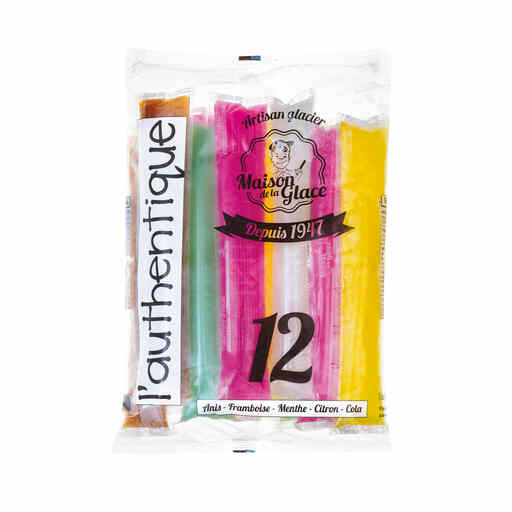 Image unavailable
The individually wrapped sticks let you serve one at a time without opening a sharing dessert.
The pack contains 12 pieces and comes in five flavours; check the ingredients and allergens for your chosen flavour on the packaging.
 Image unavailable
The pack of six ice lolly sticks is handy for serving one at a time.
The pack is listed as 270 g; read the ingredients and allergen information before offering it to a child with relevant dietary needs.
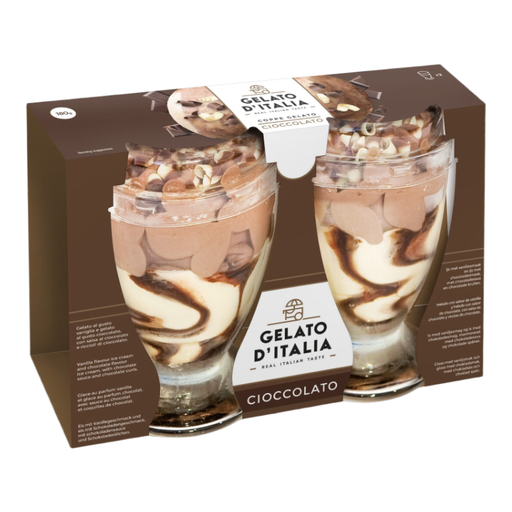 Image unavailable
The two cups let you serve two separate 90 g portions.
If this isn’t the portion size you’d like to serve, bear that in mind before choosing this format; also check the allergen information on the packaging.
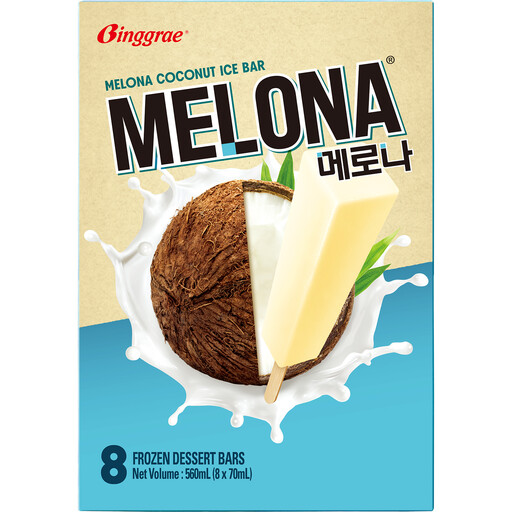 Image unavailable
The eight separate ice lolly sticks make it easy to plan several individual servings.
Each stick is listed as 70 ml; check the packaging for ingredients, allergens and storage instructions before stocking up.
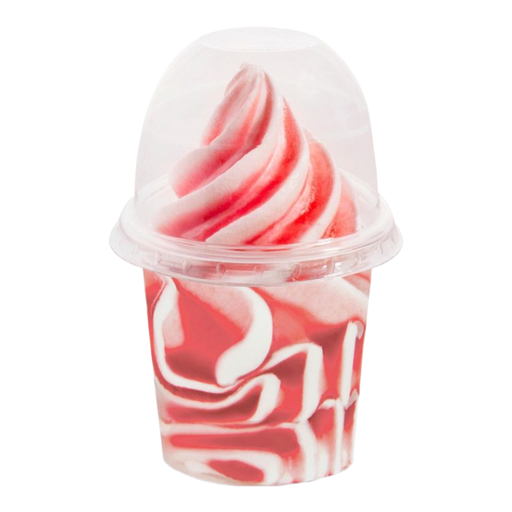 Image unavailable
The 140 ml cup is an individual serving that doesn’t need to be portioned out.
Check how many cups are in the pack so you can work out how much freezer space you’ll need; also check the ingredients and allergens on the packaging.
No. Dessert shouldn’t be offered in exchange for eating a meal. Manger Bouger advises against giving extra dessert after a meal is refused, or linking food with a reward or punishment.
Read the ingredients, allergen information, nutritional values, quantity and storage instructions for the product you choose. The French Directorate-General for Competition Policy, Consumer Affairs and Fraud Control reminds shoppers that allergenic ingredients must be clearly highlighted on the label.
Keep them out of the cold for as little time as possible and put them away promptly, following the instructions on their packaging. The French Directorate-General for Competition Policy, Consumer Affairs and Fraud Control reminds shoppers that a rise in temperature can increase food-related risks.
No. If it’s displayed, use it to compare products in the same category, as Manger Bouger advises. Also read the ingredients, allergen information and nutritional values, and check the portion size you plan to serve.