What should you check before buying?
When choosing a frozen dessert, start with its product description and nutritional values per 100 g, then check the portion size, allergens and storage instructions. The word “sorbet” alone doesn’t answer all these questions.
| Criteria |
What to check |
Who is it for? |
| Fat |
Check that it is described as a “sorbet” and look at the “fat” figure per 100 g. The figures for one flavour won’t apply to all frozen desserts. |
When I’m mainly trying to limit fat, I want a clear figure for the product I’m going to serve; around 46% of consumers prioritise this. |
| Sugars and portion size |
Compare “of which sugars” per 100 g on a like-for-like basis, then consider how much you’ll actually serve. |
A sorbet may meet my needs when it comes to fat without meeting my expectations on sugar; around 27% of consumers prioritise this trade-off and portion size. |
| Allergens and keeping it frozen |
Read the allergen information for the exact product and check the storage instructions. Plan your journey so you can get the dessert back into the freezer promptly. |
In my household, I need to check allergens before choosing and make sure the dessert is stored properly; this is a priority for around 27% of consumers. |
Retailers and ranges to explore
These retailers offer a range of sorbets to explore, but nutritional values and allergen information should be compared product by product, not retailer by retailer.
Picard
The retailer offers sorbets in tubs and other formats, including “whole fruit” options.
- Picard’s product information for its 650 g red fruit sorbet lists less than 0.5 g of fat and 19 g of sugars per 100 g, as well as the ingredients and warnings about possible traces of allergens.
- The Nutri-Score C shown for this product doesn’t replace checking its nutritional values or choosing an appropriate portion.
Carrefour
Its range includes sorbet tubs, ice cream, ice lollies and mini portions.
- The product information for Carrefour Extra lemon sorbet details its ingredients, allergen information and storage instructions.
- Carrefour lists 24,1187 g of added sugars per 100 g for this product, so choosing a sorbet doesn’t mean you can skip comparing sugar content.
Auchan
The retailer offers a variety of sorbets, including a chocolate option and “whole fruit” products.
- Auchan’s product information for La Ferme de la Métairie chocolate sorbet lists less than 0.5 g of fat per 100 g.
- It also lists 27 g of sugars per 100 g. Check the values and allergen information for each product rather than assuming them from the flavour or category.
E.Leclerc
The range includes ESKISS sorbet tubs, including a “whole fruit” apple sorbet.
- Tub options make it easy to explore flavours and formats for a dessert to share.
- Before choosing based on fat or sugar, check the nutritional information for the specific product on its detailed product page or packaging.
ALDI
The retailer offers MUCCI ice cream and sorbets, including lemon sorbet.
- The range gives you another option if you’re looking for sorbet.
- To see whether the lemon sorbet meets your needs, check its nutritional values and allergen information on the packaging.
Frozen desserts available on Joybuy
This selection includes sorbet sticks and individually portioned ice pops. To compare products by fat content, distinguish between values per 100 g and per 100 ml. Also check the sugars and storage instructions for the product you choose.
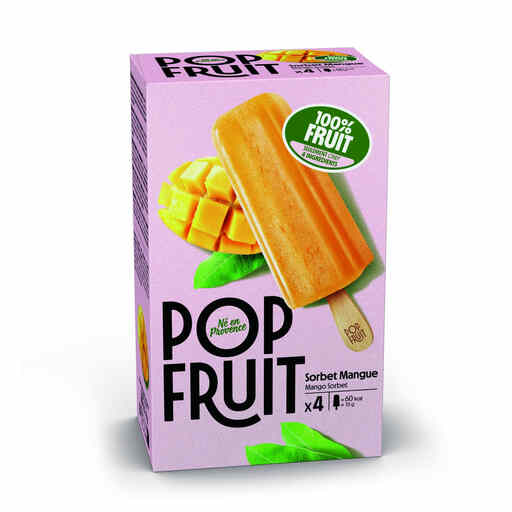 Image unavailable
POP FRUIT Sorbet Sticks 100% Mango, 4 × 70 g
The pack of four sticks is handy if you’d rather serve individual portions than scoop from a tub.
Check the sugars and any warnings about possible traces of allergens on the packaging. This product is stated as unsuitable for children under 36 months. Store it as directed and don’t refreeze it after defrosting.
View on Joybuy
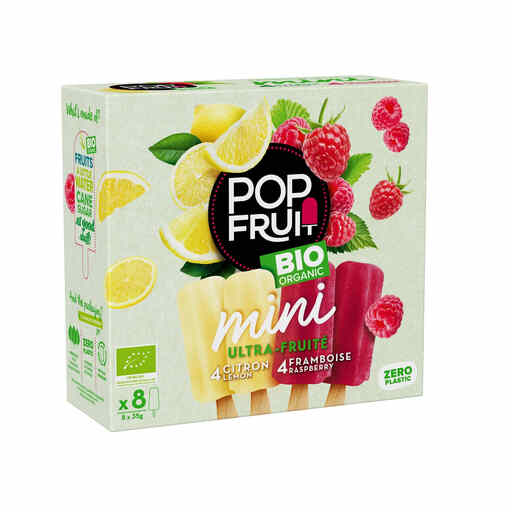 Image unavailable
POP FRUIT Mini Lemon & Raspberry Sorbet Sticks, Organic
With two flavours to choose from, you can pick between lemon and raspberry in individual sticks.
Check the number and weight of the sticks on the packaging before planning portions. Also check the allergen information and nutritional values for each flavour.
View on Joybuy
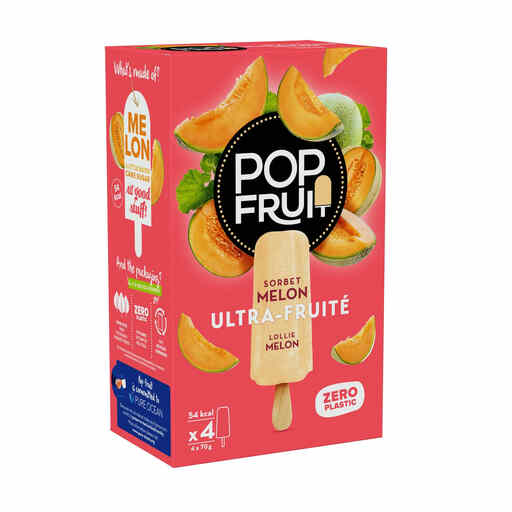 Image unavailable
POP FRUIT Melon Flavour Sorbet Sticks, 4 × 70 g
This pack of four melon-flavour sorbet sticks is ideal for serving individual portions.
If anyone in your household has an allergy, check the information on the packaging. Also check the storage instructions before buying and follow them during transport and storage.
View on Joybuy
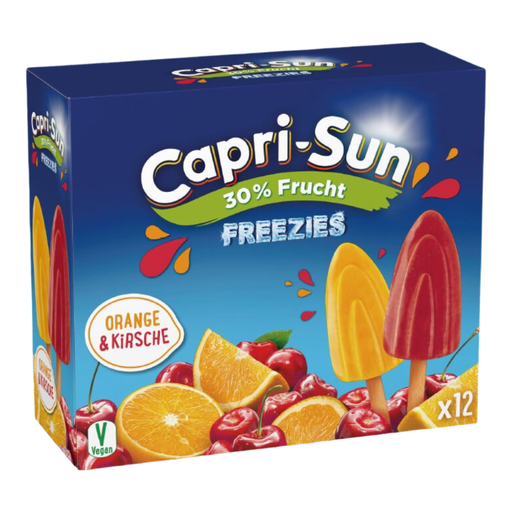 Image unavailable
CAPRI-SUN Orange & Cherry Ice Pops, 12 pieces, 444 g
This pack of twelve ice pops is a good choice if you’re looking for individual portions rather than a tub of sorbet.
The nutritional values are given per 100 ml, among other measures, so don’t compare them directly with sorbets labelled per 100 g. Check the sugars, allergens and storage instructions on the pack.
View on Joybuy
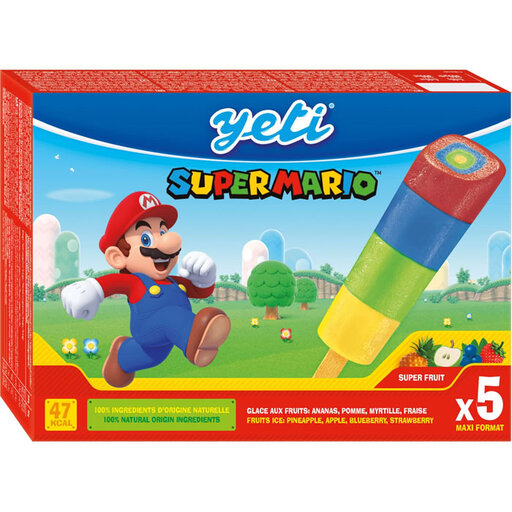 Image unavailable
YETI Super Mario 5, pineapple, apple, blueberry and strawberry ice pops
The advertised flavours offer a choice of fruit ice pops if you prefer this format to a tub of sorbet.
Before buying, check the sugars and allergens on the packaging, as well as the storage instructions. Don’t assume the sugar content based on the fat content alone.
View on Joybuy
Frequently asked questions
Is sorbet always low in fat?
Sorbet is worth considering if you want to limit fat: according to the DGCCRF, no fat can be added during its manufacture. However, check the value per 100 g for the product you choose. The product description won’t tell you how much sugar it contains either.
Why compare frozen desserts per 100 g rather than by tub volume?
Values per 100 g let you compare products labelled on the same basis. The DGCCRF explains that overrun — the incorporation of air — can change the weight of the product for the same volume, so check the net weight in grams too. If a product gives its values per 100 ml, don’t treat them as directly comparable with values per 100 g.
Is sorbet made for adults suitable for a very young child too?
No. Even if it is low in fat, that alone doesn’t mean it is suitable for a very young child. Manger Bouger recommends introducing sweet foods into children’s diets as late as possible and in limited amounts. Also check the age guidance and allergen information for the specific product.
How should you store a frozen dessert after shopping?
Pick it up at the end of your shop, carry it in an insulated bag and put it away promptly, following the instructions on the packaging. Anses advises against refreezing food that has defrosted.
Can sorbet contain allergens?
Yes. Don’t assume that the name “sorbet” means it’s free from allergens. The DGCCRF highlights the importance of declaring milk; if someone in your household has an allergy, check the ingredients and any warnings about possible traces for the exact product you’re considering.


