People looking for a dessert that’s easier to chew
If you want a more comfortable chewing experience and don’t have a medically prescribed texture, focus on checking for pieces, biscuits or coatings in the dessert as served.


To keep a small stock of desserts that are simply easier to chew, start by considering the texture when served: a genuinely soft cake once prepared, or a smooth ice cream if cold desserts are suitable. Then check for inclusions, the number of portions and the storage instructions. A product name alone cannot tell you whether a dessert meets a medically prescribed texture requirement.
If you want a more comfortable chewing experience and don’t have a medically prescribed texture, focus on checking for pieces, biscuits or coatings in the dessert as served.
The pack weight, number of useful portions and whether you can serve one portion without letting the rest defrost will help you choose.
A tub or a box with several portions may suit your storage needs, provided the recipe and each portion as served meet the texture requirement.
Start with the texture after preparation or when served, then choose a format you can portion and store without letting the rest defrost. Picard and Auchan catalogues include soft-centred pastries, while E.Leclerc and ALDI offer tubs of ice cream. However, the product name alone won’t tell you everything about the recipe.
| What to consider | What to check | Who is it for? |
|---|---|---|
| Texture when served | Check for pieces, biscuits and coatings; for cakes, also consider their texture after preparation. | If firm foods are difficult to chew, my first priority is a soft, consistent bite. Around 42% of consumers put this texture requirement first. |
| Storage and portioning | Compare the number of portions with how often you’ll serve the dessert, and follow the storage instructions. | If I only serve dessert now and then, I want to take out what I need without letting the rest melt. This is the top priority for around 33% of consumers. |
| Sharing format | Check the net weight and ingredients in each recipe, including those in an assortment. | When serving several people, I prefer a pack that’s easy to divide, but not at the expense of texture. Around 25% of consumers prioritise this. |
Ice cream can become liquid in the mouth, as explained by the International Dysphagia Diet Standardisation Initiative. A soft-centred cake may have a crust or inclusions once prepared.
If someone has dysphagia or a medically prescribed texture, ask their healthcare professional to confirm that the dessert is suitable as it will be served.
An assortment that’s convenient to store may include recipes with biscuits, coatings or firm pieces.
Check every recipe and its ingredients before choosing a pack for easier chewing.
The French Ministry of Agriculture advises that refreezing a defrosted product encourages bacterial growth.
Serve the portion you need and don’t refreeze a defrosted dessert. For the journey home, Anses recommends buying frozen food at the end of your shop and using an insulated bag.
A photo won’t show you all the ingredients, allergens or preparation instructions.
Read the label: the DGCCRF reminds shoppers that allergenic ingredients must be clearly highlighted in the ingredients list.
The Picard catalogue includes frozen pastries, such as soft-centred and soft-textured cakes, as well as frozen desserts.
Carrefour’s frozen dessert range includes tubs, ice cream logs and ice lollies.
The Marque Repère ice cream and frozen dessert catalogue includes, among other products, a 500 g EsKiss tub and soft-centred cakes in packs of two.
Auchan’s frozen pastry range includes molten-centre cakes, along with other cakes and desserts.
The ALDI catalogue includes 500 g tubs of MUCCI ice cream, alongside other frozen desserts.
Lidl features ice cream in its frozen food section.
These tubs and pots of ice cream are worth considering if you’re looking for frozen desserts to keep in the freezer, either as individual portions or in a tub to share. For easier chewing, check the texture of each recipe when served; ice cream isn’t a substitute for a medically prescribed texture.
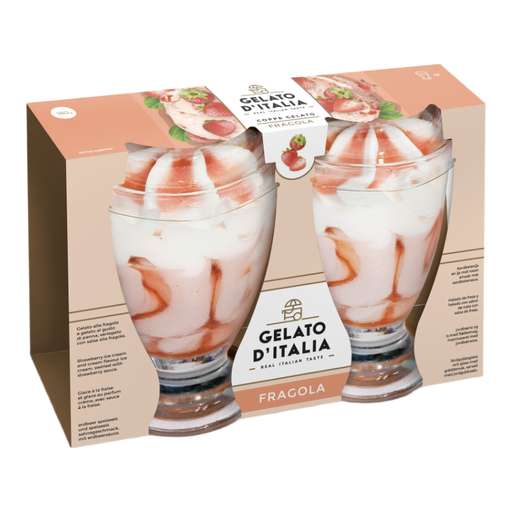 Image unavailable
Two separate pots make it easy to serve one portion without dipping into a larger tub.
Check the texture of the strawberry recipe on the packaging and when serving, particularly for any pieces.
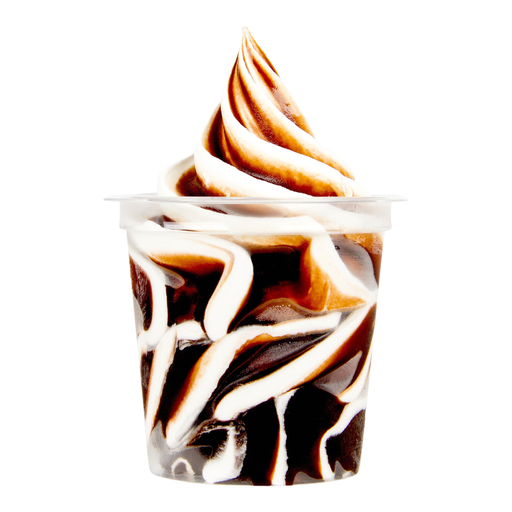 Image unavailable
An individual pot means you don’t have to portion a whole tub for a single serving.
Before choosing this recipe, check its texture when served, along with the ingredients and allergens listed on the packaging.
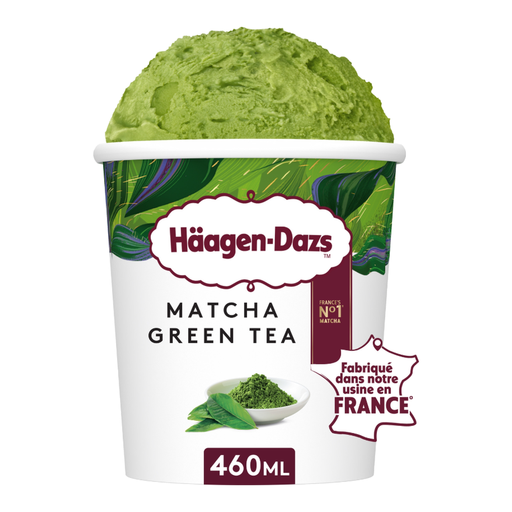 Image unavailable
The 400 g tub could provide several portions. Take out what you need without letting the rest defrost.
Check the ingredients, allergens and texture of the matcha ice cream on the packaging and when serving.
If you simply want something easier to chew, look for a soft, consistent texture in the dessert as served. A soft-centred cake without hard pieces or a smooth ice cream may be worth considering, depending on the person’s tolerance. Check the recipe and, for a cake, its texture after preparation.
Not necessarily: the International Dysphagia Diet Standardisation Initiative explains that ice cream can melt quickly in the mouth and become liquid. If someone has dysphagia or a prescribed texture, ask their healthcare professional to confirm that the dessert is suitable as it will be served.
Choose portions that suit your needs and avoid letting the rest defrost when serving. To keep food frozen while shopping, Anses recommends buying frozen products at the end of your shop and carrying them in an insulated bag; the French Ministry of Agriculture advises against refreezing defrosted products.
Read the ingredients list on the packaging: the DGCCRF says allergenic ingredients must be clearly highlighted. Check the recipe of the specific product you plan to serve rather than relying on its photo or range name.