Hosts who want a centrepiece dessert to share
A cake, tart or dessert to slice is a good choice if you want to serve one dessert at the table and have a rough idea of how many portions you’ll need.


If you know how many people are coming to sit down for coffee, choose a cake or dessert to share with enough portions for everyone. If you want everyone to be able to choose without waiting for a cake to be sliced, petits fours or individual portions are a better fit. In that case, check the number of pieces, allergens and storage instructions for each box.
A cake, tart or dessert to slice is a good choice if you want to serve one dessert at the table and have a rough idea of how many portions you’ll need.
Macarons, bites or individual portions let everyone choose without having to slice a large dessert. Just count the pieces if you’re planning to offer more than one per person.
A smaller format or separate portions may suit a small group better than a cake with lots of portions, as long as you check what’s in the box.
First decide whether you’ll slice the dessert at the table or serve individual pieces. Then match the number of portions or pieces to your guest list, and check the storage and serving instructions.
| Priority | What to check | Who this matters to |
|---|---|---|
| A dessert to share | The stated number of portions and how the dessert will fit into your spread: as the centrepiece or alongside other treats. | I’d like to serve one cake to all my guests; around 40 % of consumers would make this a priority. |
| Variety without slicing | The number of pieces in each box and the ingredients in each product, especially in an assortment. | If everyone is choosing a bite with their coffee, I’d prefer ready-to-serve portions; around 30 % of consumers would share this priority. |
| A format that suits the group | The quantity in the box and the storage or defrosting instructions. | For a small gathering, I’m looking for a quantity we can serve without cutting into a large cake; around 30 % of consumers would prefer this format. |
An assortment might contain six pieces or several dozen. The size of the box won’t tell you how many bites you can offer each guest.
Count the pieces or portions before you buy, and decide whether they’ll make up the whole dessert or accompany a slice of cake.
If there isn’t enough to go round, you may need to plan another dessert before your guests arrive.
Frozen desserts need to be stored according to the product’s instructions. The Ministry of Agriculture gives −18 °C as the recommended temperature for frozen storage.
Pick up the frozen dessert at the end of your shop, put it in the freezer as soon as possible, and follow the defrosting or serving instructions on the packaging.
Pieces with different flavours may also have different ingredients. For prepacked foods, the DGCCRF notes that allergens must be highlighted in the ingredients list.
If a guest mentions an allergy or dietary restriction, check the label on each product rather than relying on the picture or the assortment’s name.
These retailers are a useful starting point for comparing formats. Check what’s available at the shop or through the service you plan to use.
Picard’s dessert range includes cakes, tarts, layered desserts, petits fours and frozen desserts.
Carrefour’s frozen dessert range includes desserts to share as well as smaller bites.
Auchan’s frozen pastries and cakes category includes macarons, frozen desserts and cakes to share.
E.Leclerc offers frozen pastries through its Marque Repère range.
Lidl lists ice cream among the categories in its frozen food range.
ALDI lists ice cream and frozen desserts among its frozen food categories.
These products are suited to serving with coffee as frozen mochi or sorbet, rather than as a cake to slice. Check the quantity in each box and serve it according to the storage instructions.
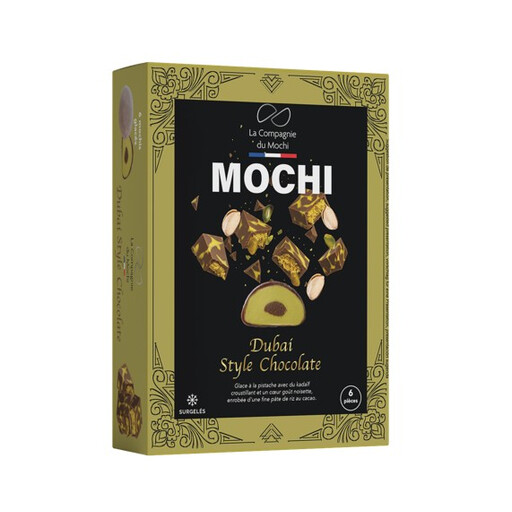 Image unavailable
A handy option if you want to serve coffee without slicing a cake.
Box of 6, 198 g. Check the allergens on the packaging. The warning for this product states that it poses a choking risk and is not suitable for children under 3 years old.
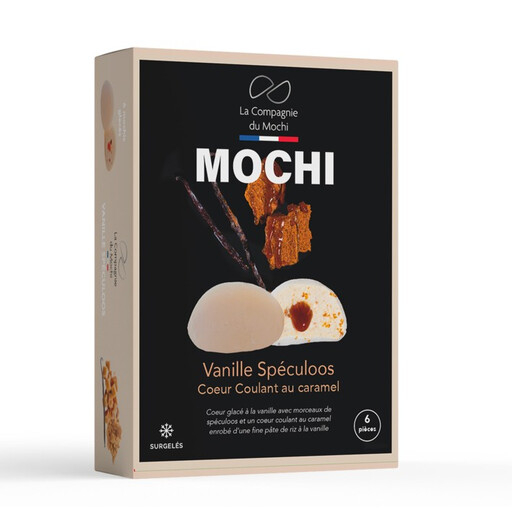 Image unavailable
Serve individual frozen portions to a group whose size suits the quantity in the box.
Box of 6, 198 g. Check the allergens on the packaging. The warning for this product states that it poses a choking risk and is not suitable for children under 3 years old.
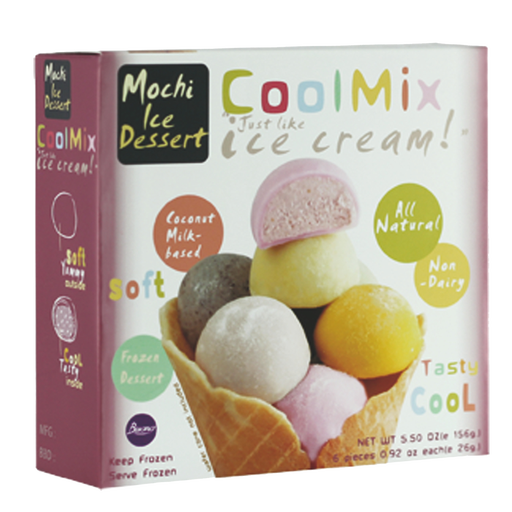 Image unavailable
A selection of bite-sized treats for guests to choose from, with no need to slice anything.
Box of 6, 156 g. Check the allergens and storage instructions on the packaging before serving.
 Image unavailable
Worth considering if you’d prefer sorbet to an assortment of frozen mochi. Check how the 280 g will work out for your group.
Follow the storage and serving instructions on the packaging. The warning for this product states that it must not be refrozen after thawing.
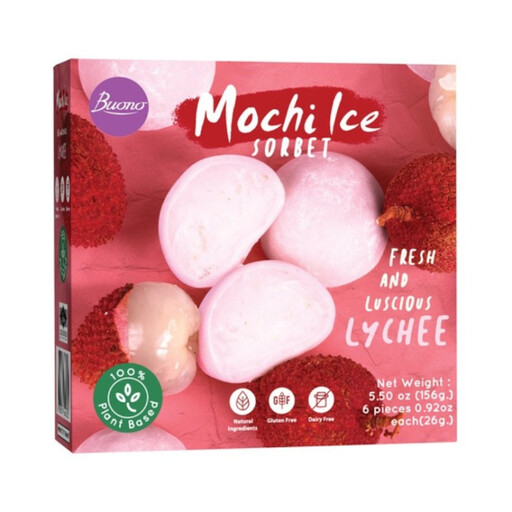 Image unavailable
A frozen mochi to consider if you’d like to offer a lychee flavour with coffee.
156 g pack: check the number of pieces on the packaging before planning one for each guest. Follow the storage instructions; the warning for this product states that it must not be refrozen after thawing.
Start with the number of people who’ll actually be having dessert, then check the number of portions or pieces stated on the box. For bite-sized treats, decide whether you’ll serve one or more per person. For a cake, consider how you plan to slice it when you serve coffee.
Check the quantity, ingredients, allergens, and storage and serving instructions for the product you choose. For prepacked food in France, the DGCCRF notes, in particular, that allergens must be highlighted in the ingredients list.
Keep it out of the freezer for as little time as possible, and follow the packaging instructions for storage, defrosting or serving. The Ministry of Agriculture gives −18 °C as the recommended temperature for frozen storage. When to take it out of the freezer will depend on the dessert you choose.
No. The flavour or picture alone won’t tell you everything about the ingredients and allergens. If a guest has mentioned a dietary restriction, check the label on every product, including those in an assortment.