Parents who want to serve one portion without cutting
A tub, ice lolly or individual portion lets you serve dessert without cutting into a cake meant for sharing. Even so, check the quantity in each unit, not just the number of pieces in the box.


To serve a child dessert after dinner, start by choosing a format with a number of pieces and quantity per unit that suit the portion you want to serve: a tub, ice lolly or individual pastry. A multipack can also work if you can keep the remaining portions in the freezer. In every case, check the ingredients, allergens, nutritional information and preparation instructions for the specific product.
A tub, ice lolly or individual portion lets you serve dessert without cutting into a cake meant for sharing. Even so, check the quantity in each unit, not just the number of pieces in the box.
Checking the ingredients, allergens and nutritional values helps you compare products beyond their presentation. Anses has, in particular, highlighted the issue of children consuming too much sugar.
A multipack can provide portions for several children or leave you with units for other meals. Choose a pack size that fits in your freezer, and keep the products cold during the journey home, as recommended by Anses.
For a child’s dinner, start with the kind of dessert you want to serve: an ice cream tub or lolly is ready to serve as an individual portion, while a frozen pastry may need to be defrosted or heated, depending on the instructions on the pack. Then choose a multipack based on how many portions you need and whether you can keep the remaining units in the freezer.
| Criterion | What to check | Who is it for? |
|---|---|---|
| Portion and serving | Number of pieces and quantity per unit, where stated. | I want to serve dessert without cutting a large item or opening another portion; around 36% of consumers prioritise individually portioned desserts. |
| Ingredients and allergens | Ingredients and allergens, followed by sugars and fat in the nutritional information per 100 g or 100 ml. | If ingredients need to guide my choice for a child, the dessert’s appearance isn’t enough; around 29% of consumers put checking this information ahead of other criteria. |
| Several dinners | Number of portions in the pack and the freezer space required. | When I’m planning desserts for several meals, I look for a pack whose remaining units can be stored; around 21% of consumers put this planning first. |
| Storage and preparation | Storage, defrosting or heating instructions on the packaging. | If the journey home or preparation time makes serving difficult, I choose a product whose instructions I can follow; this is the main concern for around 14% of consumers. |
A box may contain several desserts, and two units in the same category aren’t necessarily the same size.
Check the number of pieces, the net weight and, if it’s shown on the packaging, the quantity per unit.
Packaging aimed at children doesn’t tell you everything about the ingredients or allergens. Anses also stresses the importance of paying attention to children’s sugar intake.
Read the label for the specific dessert and compare its nutritional information per 100 g or 100 ml, as set out in the guidance described by the DGCCRF.
Any units you plan to keep must stay cold. The French Ministry of Agriculture explains that refreezing a defrosted product encourages bacteria to multiply.
Pick up frozen products at the end of your shop, put them in the freezer as soon as you get home and never refreeze a defrosted product.
Two pastries or frozen desserts in the same category can have different ingredients and preparation instructions.
Check the details for the exact product or its packaging, especially if you need to check for an allergen or find out how long it needs to defrost.
Carrefour’s children’s ice cream range includes tubs, ice lollies, cones and mini formats.
E.Leclerc sells mini tubs and other children’s ice creams in multipacks.
Auchan’s frozen pastry range includes multipacks of desserts, including chocolate fondants.
Picard offers individual frozen desserts and pastries in individual portions.
These products are ice creams and sorbets sold as individual portions in multipacks. To choose a portion to serve after dinner, compare the format and stated quantity, then check the product label. Frozen pastries require different preparation checks.
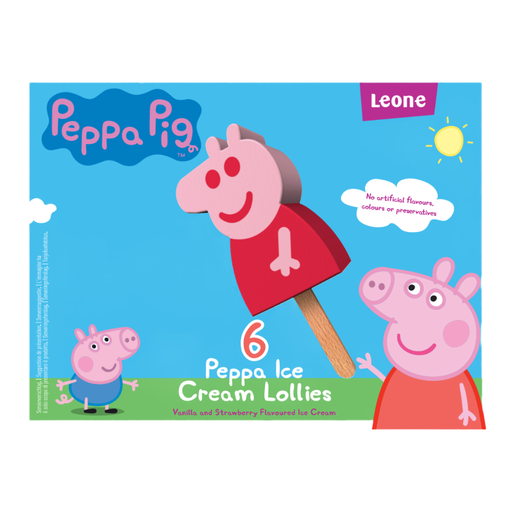 Image unavailable
The ice lolly format lets you serve an individual portion without cutting.
The pack contains six 60 ml lollies. Check the ingredients and allergens on the label before serving one to a child.
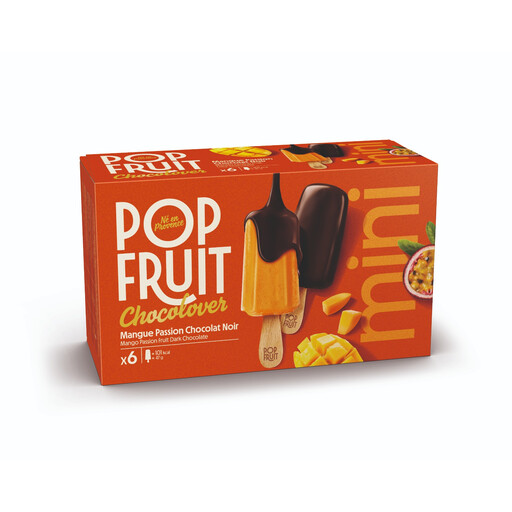 Image unavailable
These mini lollies are a handy option when you want to serve frozen dessert by the piece.
The box contains six pieces with a stated total weight of 282 g. According to the product description, this product is not suitable for children under 36 months; check the allergens on the label too.
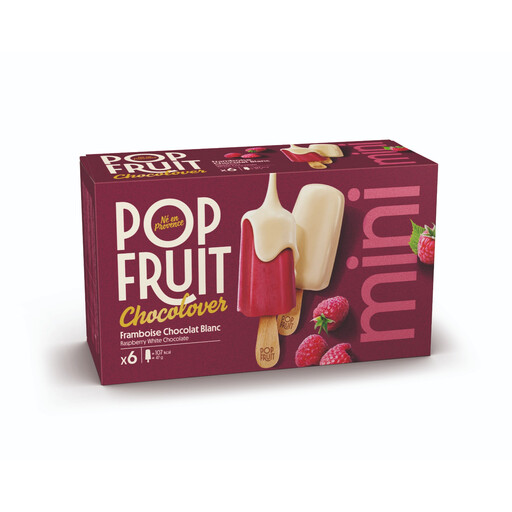 Image unavailable
The pack lets you serve one mini lolly and keep the others in the freezer.
The product name states that the pack contains six pieces and weighs 282 g in total. According to the description, it is not suitable for children under 36 months; read the label to check the allergens.
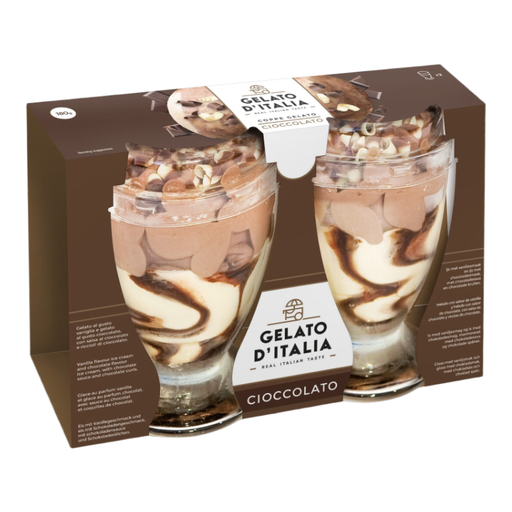 Image unavailable
A tub is a ready-to-serve portion, with no need to divide up a dessert meant for sharing.
The pack contains two 90 g cups. Check the product’s ingredients and allergens before choosing this portion for a child.
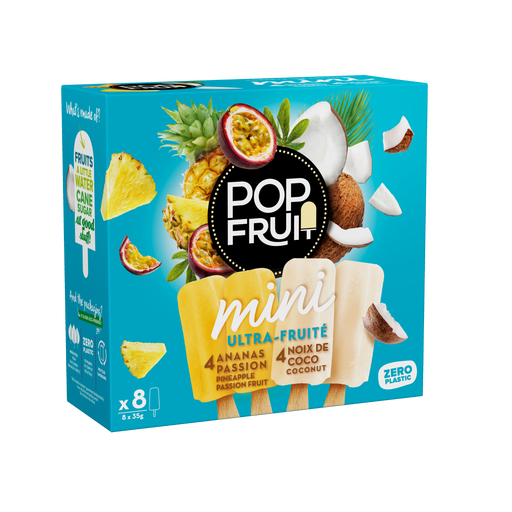 Image unavailable
You can serve the lollies one at a time over several dinners, as long as you keep the rest in the freezer.
The product name states that the pack contains eight pieces and weighs 280 g in total. If the quantity of each lolly matters to your choice, check the packaging, along with the allergens.
Compare their nutritional values per 100 g or 100 ml, then check the quantity per unit and the number of pieces. The DGCCRF says that information per 100 g or 100 ml provides a common basis for comparison; you’ll still need to check the size of the portion you plan to serve.
Check the product name, ingredients, allergens, net quantity, date and storage instructions. The DGCCRF explains that allergenic ingredients must be highlighted and sets out the rules for presenting nutritional information.
Do not refreeze a defrosted product: the French Ministry of Agriculture explains that doing so encourages bacteria to multiply. If the dessert needs to be defrosted before serving, follow the instructions on the packaging.
Pick it up at the end of your shop and put it in the freezer as soon as you get home. Anses recommends using an insulated bag to carry frozen products and help maintain the cold chain.
No. The product name and packaging aren’t enough to judge its ingredients. Check the ingredients, allergens and nutritional information, as well as any age guidance in the product description or on the packaging.