Parents keeping an eye on fat
You want to check the fat content of a frozen dessert rather than assume that sorbet is always lower in fat.


To choose a lower-fat frozen dessert for children after dinner, compare the fat content per 100 g or 100 ml. A sorbet or ice lolly only meets this criterion if the label confirms it. Also check the sugars, serving size and allergens. For example, Picard’s Pure Sélection Pineapple Sorbet contains less than 0.5 g of fat but 23 g of sugars per 100 g. Manger Bouger recommends offering children sugary products in limited quantities.
You want to check the fat content of a frozen dessert rather than assume that sorbet is always lower in fat.
You want to cut down on fat without losing sight of the sugars listed on the label or the amount served after dinner.
You need a format that’s easy to serve and, if a child needs to avoid certain ingredients, clear information about the recipe and allergens.
Start with the nutrition table, then check the serving size and ingredients of the product you plan to serve. The DGCCRF states that nutritional values are given per 100 g or 100 ml. To compare two products, make sure you’re using the same unit.
| Criteria | What to check | Consumers concerned |
|---|---|---|
| Fat | Compare the fat and saturated fat content on the same per-100 g or per-100 ml basis. | When choosing between sorbet and ice cream, I want to know their actual fat content rather than rely on the name. Around 40% of consumers would make this their priority. |
| Sugars and serving size | Check the sugars and energy, then consider how much the portion you serve represents. | I don’t want choosing a lower-fat dessert to make me overlook the sugars or the amount served after dinner. Around 30% of consumers would put this balance first. |
| Ingredients and serving | Check the ingredients, allergens and ‘may contain’ statements, then choose between a tub and individual portions to suit how you plan to serve it. | When serving children, I need a portion that’s easy to adjust and, if necessary, a way to identify allergens. Around 30% of consumers would put ingredients and serving first. |
Picard’s Pure Sélection Pineapple Sorbet contains less than 0.5 g of fat, but 23 g of sugars per 100 g. Low fat content alone therefore tells you nothing about the sugars.
Compare fat, saturated fat, sugars and energy using the same basis shown in the nutrition tables.
A Carrefour product listing for Carte d’Or Sicilian Lemon Sorbet warns that it may contain traces of wheat, eggs, milk and certain nuts. You can’t tell from the flavour alone whether these warnings apply.
If a child needs to avoid an ingredient, check the packaging of the product you buy, including any ‘may contain’ statements.
Manger Bouger points out that some individually wrapped portions sold in shops are adult-sized and should be adjusted to suit the child’s age.
Check the amount per lolly before choosing one. With a tub, serve the amount you want rather than relying on the container size.
When choosing a frozen dessert, consider how you’ll transport it and the product’s specific storage instructions.
Plan to put it back in the freezer when you get home and follow the instructions on the packaging, especially after it has defrosted.
Picard sells sorbets in tubs and individual portions.
The frozen aisle includes options such as sorbet tubs, lollies and smaller portions.
The frozen aisle includes a range of frozen desserts, including fruit lollies.
ALDI sells several types of ice cream and sorbet under its MUCCI brand, including tubs and cones.
These sorbets and ice lollies are worth considering if you want to serve an individual dessert. The format doesn’t replace checking the fat, sugars and allergens on the packaging.
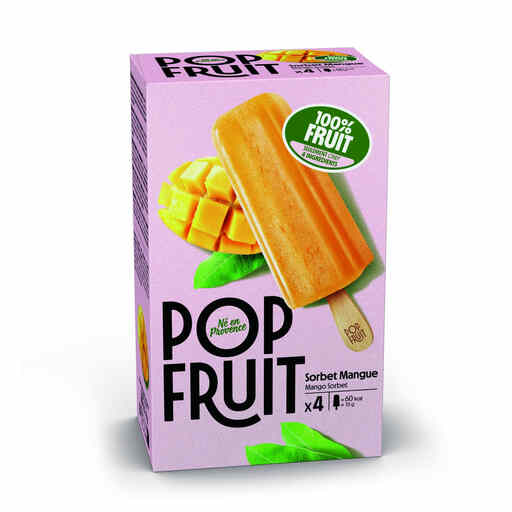 Image unavailable
These sorbet lollies are a handy option when you want to serve individual portions. The pack contains four lollies and weighs 280 g. Check the sugars and allergen information before serving.
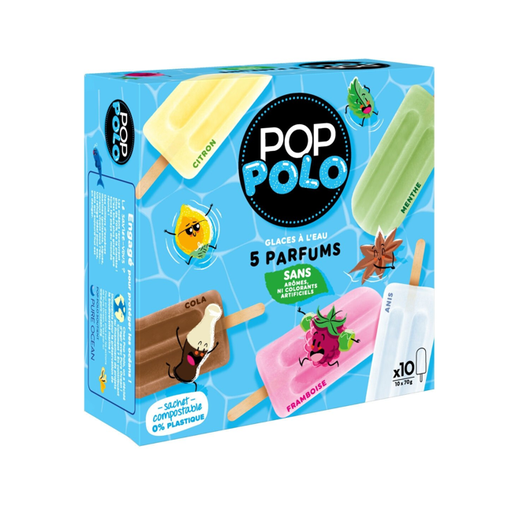 Image unavailable
With ten water ice lollies, this pack makes it easy to serve individual portions. If you have a particular flavour in mind, compare its nutritional information on the packaging rather than assuming that every flavour in the pack has the same values.
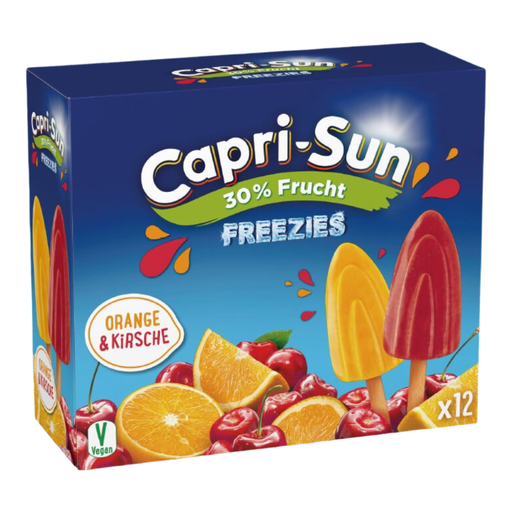 Image unavailable
This pack of orange and cherry ice lollies is ideal for serving individual portions. If a child needs to avoid certain ingredients, check the allergen information on the packaging of the product you buy.
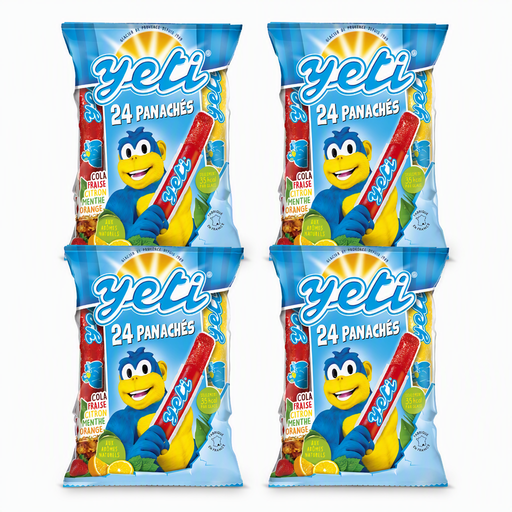 Image unavailable
This multipack of water ice lollies may suit you if you need plenty of individual portions. The ‘fat-free’ claim conflicts with the fat content shown in this product’s nutrition table. Check the packaging for the correct figure before choosing.
No. The word ‘sorbet’ alone isn’t enough to compare two products. Check the fat content in their nutrition tables, using the same unit of 100 g or 100 ml. The values for one product don’t apply to its entire category.
No, sugars are a separate consideration. Picard’s Pure Sélection Pineapple Sorbet contains less than 0.5 g of fat and 23 g of sugars per 100 g. Compare both values and take the serving size into account.
Read the ingredients, highlighted allergens and any ‘may contain’ statements on the packaging of the product you buy. The DGCCRF states that allergens must be emphasised in the ingredients list of pre-packed foods. Also check for any warnings about traces.
Follow the storage instructions for the product and put it back in the freezer as soon as possible after transporting it home. Picard’s Pure Sélection Pineapple Sorbet product listing says to store it at −18 °C and not to refreeze it after defrosting.