If chewing is uncomfortable, a tub of ice cream or sorbet lets you serve portions to suit, provided you check the recipe for pieces and crunchy additions. A pre-portioned frozen dessert is easier to serve, but any biscuits, dried fruit or decorations it contains need the same checks. If you have dysphagia or are at risk of choking, don’t assume that a standard frozen dessert has a suitable texture.
Who is this option for?
People looking for a consistent texture
If hard or crunchy pieces make dessert difficult to chew, check the specific recipe rather than relying on the word ‘tub’. Carrefour and Aldi’s ranges include ice creams with dried fruit or pieces of chocolate. If you have difficulty swallowing, you need individual professional advice: ameli highlights the risk of choking on solid food.
Households serving several people
A tub lets you choose the size of each portion, while a dessert sold in a set number of portions makes serving easier. Carrefour and Auchan offer tubs in different sizes, while Picard has desserts advertised as serving 6 or 8. Compare these details with the number of people you’re serving.
Shoppers who pay attention to ingredients
If an ingredient or allergen affects your choice, read the label for the product you’re considering, including details of any biscuits and toppings. The ingredients list and nutritional information can also help you compare like-for-like products. The flavour alone doesn’t tell you everything about the recipe.
What should you check?
Tub of ice cream or sorbet
Consider this: if you want to serve different-sized portions with a spoon.
Bear in mind: everyone will be sharing the same recipe, and you can’t be sure of a consistent texture until you’ve checked the ingredients.
Pre-portioned frozen dessert
Consider this: if you know how many people you’re serving and pre-portioned dessert would make serving easier.
Bear in mind: some recipes contain a biscuit base, dried fruit or decorations that affect how they feel to chew.
| What to check |
Look for |
Who it matters to |
| Texture and inclusions |
Look for pieces, shards, dried fruit, biscuits and coatings in the product name and ingredients. A description such as ‘ice cream’ isn’t enough to tell you what texture you’ll get. |
If crunchy pieces are uncomfortable to chew, I check the recipe before considering how the dessert is presented; around 40% of shoppers say a consistent texture is their top priority. |
| Amount to share |
Compare the net weight, volume or number of portions of like-for-like products, then check that it’s enough for the number of people you’re serving. Grams, millilitres and portions aren’t interchangeable units. |
To avoid running short or having too much left over, I need an amount that suits the number of people at my table; around 30% of shoppers put sharing size ahead of other criteria. |
| Ingredients and allergens |
Read the ingredients list, declared allergens and nutritional information for each product. Compare sugar and fat content on the same basis. |
If I need to avoid an ingredient or want to compare two recipes, the label helps me decide; ingredients, allergens or nutritional information are the top priority for around 20% of shoppers. |
| How it’s served |
Choose between a tub to serve by the spoonful, a dessert with a stated number of portions or individual servings, and check the ingredients of your chosen format. |
If I want to serve ready-sized portions quickly, ease of serving matters most to me; around 10% of shoppers prioritise this or the way the dessert is presented. |
Mistakes to avoid
-
Assuming ‘family size’ means a set amount
Carrefour, Auchan, Picard and Aldi list sizes in grams, millilitres or number of portions. The figure shown doesn’t mean the same thing for every format.
Compare like-for-like products and check the amount shown on each against the number of people you’re serving.
-
Choosing a frozen base without checking what’s in it
Carrefour, Auchan, Picard and Aldi offer recipes with dried fruit, biscuits or pieces of chocolate. These can feel different to chew from the frozen base on its own.
Read the full product name and ingredients. If you’ve been prescribed a particular texture because of a swallowing difficulty, follow your healthcare professional’s advice rather than judging by how the dessert looks.
-
Working out portions from the product title alone
A Joybuy product listing for Carte d’Or Madagascar Vanilla ice cream shows ‘900 ml’ in the title, while its description says ‘700 mL’. You can’t rely on either figure as the definitive size without confirmation.
If the title and description don’t match, confirm the exact size before working out portions.
Retailers to explore for these formats
Carrefour
Its ice cream and sorbet section includes tubs, making it easier to compare recipes and sizes.
- The range includes vanilla and lemon tubs, as well as recipes with macadamia nuts.
- A tub doesn’t guarantee that a product is free from pieces, so check each one individually.
Auchan
Its tub section brings together ice creams, sorbets and dairy ice creams in different sizes.
- Some products list their size in grams and others in millilitres, giving you a choice of format to suit how you plan to serve them.
- Some recipes contain pieces of chocolate, so check the ingredients before choosing a tub for its texture.
Picard
Its range of frozen desserts to share includes products advertised as serving 6 or 8.
- The stated number of portions helps you plan how to serve dessert to a group.
- The range also includes frozen nougat with an almond biscuit, so check the ingredients of each dessert.
Aldi
Its range includes 500 g tubs of Mucci ice cream.
- The size shown on the Madagascar vanilla tub gives you a useful guide for planning how to share it.
- Another product, the dark chocolate flavour, contains pieces of chocolate; don’t assume that every flavour has the same ingredients.
Lidl
Its frozen food range includes an ‘Ice cream’ section.
- This section can be a good starting point for exploring the desserts available locally.
- Before choosing a product to share, check its size and ingredients on the product listing or packaging.
Frozen desserts available on Joybuy
These two ice cream and sorbet products are worth considering for sharing. The stated amount doesn’t determine the number of portions, and you’ll need to consider whether their texture suits the person who finds chewing difficult. Neither product is described as suitable for dysphagia.
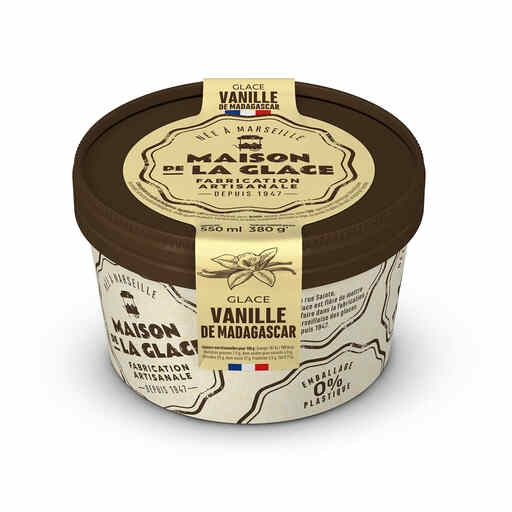 Image unavailable
Maison de la Glace Madagascar Vanilla ice cream tub 380 g
The tub lets you choose the size of the portions you serve. It contains 380 g; if chewing is difficult, check the recipe, allergens and texture when serving.
View on Joybuy
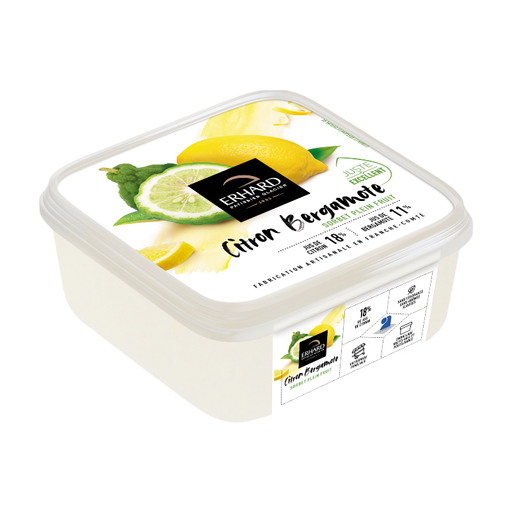 Image unavailable
ERHARD Lemon Bergamot Sorbet 488 g
This 488 g sorbet may suit several people, depending on the portion sizes you want to serve. Before choosing it for a meal where chewing is difficult, check the packaging, allergens and texture once served.
View on Joybuy
Frequently asked questions
What should I look for on the packaging before choosing?
First, check the product name, ingredients and allergens, then the net quantity and nutritional information. The DGCCRF notes that this information is part of the labelling for pre-packed foods. For this choice, it can help you spot inclusions and plan how much to serve.
Does a Nutri-Score tell me how easy something is to chew?
No. Nutri-Score doesn’t describe the pieces or texture of a frozen dessert. If it appears on the packaging, check the ingredients and allergens for that specific product too.
How should I transport a frozen dessert after buying it?
Pick it up at the end of your shop and carry it in an insulated bag to limit any break in the cold chain, as advised by Anses. Once home, follow the storage instructions on the packaging.


