To make serving desserts easier in a care home, choose a frozen pastry sold by the slice or in individual units, with a quantity and portion size that match your needs. However, this format alone does not guarantee that a dessert is suitable for a resident. If they have a prescribed texture, difficulty chewing or swallowing, or individual dietary requirements, have the product and its texture checked after preparation before serving. Check the label too, and plan service so the cold chain is maintained.
Who are these desserts for?
Teams planning portioned servings
A clearly defined slice or individual unit makes it easier to work out how many desserts to take out of the freezer, without having to cut a cake at serving time. Picard, for example, sells pastries by the slice; Carrefour and Auchan also offer multipacks.
Teams supporting individual dietary needs
If a resident has difficulty eating, chewing or swallowing, or follows a specific dietary plan, an individual portion does not in itself mean the dessert is suitable. The French National Authority for Health (Haute Autorité de Santé) recommends looking out for oral health problems. The GEM-RCN guidance for older people does not cover diets requiring a medical prescription.
Teams responsible for storage and serving
Plan transport, storage and preparation according to the number of portions you intend to serve. The French Agency for Food, Environmental and Occupational Health & Safety (Anses) recommends eating defrosted food promptly and not refreezing it. Always follow the instructions for the dessert you have chosen.
What should you check before buying?
If a particular texture or diet has been prescribed, first check the resident’s instructions. Then choose a portion format, check the label and plan how the dessert will be stored and served.
| Criteria |
What to check |
Who this matters to |
| Portions and serving |
Number of units, weight of each portion and any preparation needed before serving. |
If you want to serve desserts without cutting them and take out only what you need, a clearly defined portion matters more than the pack’s total weight. Around 24% of consumers would put this serving requirement first. |
| Texture after preparation |
The texture permitted under the resident’s care plan and the texture the dessert actually has when served. |
If a resident has difficulty chewing or swallowing, you need to know whether the prepared dessert meets their individual requirements. Don’t rely on a description such as “soft”. Nearly 29% of consumers would prioritise checking the texture. |
| Nutrition information |
Nutrition values per 100 g and the amount actually served; the individual meal plan, if applicable. |
To check how a dessert fits a resident’s planned nutritional intake, compare the label with the portion served rather than judging the recipe by its name. Around 29% of consumers would focus first on monitoring nutritional intake. |
| Allergens and storage |
Ingredients and allergens listed on the packaging, plus storage and defrosting instructions. |
When you store and serve several products, you need to be able to identify which one is suitable for the resident and follow their storage requirements. For around 18% of consumers, these checks would be the top priority. |
Mistakes to avoid
-
Assuming an individual portion has a suitable texture
A small portion, a molten centre or a frozen dessert does not tell you how easy it is to chew or swallow. The French National Authority for Health highlights the importance of oral health problems in care homes. The GEM-RCN also clarifies that its general guidance does not cover diets requiring a medical prescription.
Check the resident’s care plan and have the dessert’s texture assessed as it will actually be served before choosing a product.
-
Relying on checks from an old recipe
Two desserts from the same retailer may have different ingredients, allergens and nutrition values. The DGCCRF reminds businesses that allergenic ingredients must be emphasised on food labels.
Whenever you switch products, check the packaging of the one you are using and keep the information needed for serving.
-
Taking out too many portions and then refreezing them
Refreezing a defrosted product encourages bacteria to multiply, as explained by the French Ministry of Agriculture.
Plan how many portions you need before serving, follow the manufacturer’s instructions and do not refreeze defrosted units.
Taking out more portions than you need can also mean wasting any that are not served.
Retailers to browse when comparing formats
Picard
Picard has a range of individual frozen pastries, including a 160 g flan pâtissier sold by the slice.
- A range of pastries sold by the slice makes it easier to compare recipes and serving formats.
- For each product, check the ingredients, nutrition information and texture after preparation. Being sold by the slice does not make it suitable for a prescribed diet.
Carrefour
Carrefour’s individual frozen pastry range includes a Dessert Moelleux Chocolat Noir, sold in a pack of 2 × 90 g.
- The pack contains two 90 g portions, making it easier to plan how many desserts to serve.
- Distinguish pastries from frozen desserts, and check the preparation instructions, allergens and nutrition values for the product you choose.
Auchan
Auchan’s frozen pastry range includes a 190 g chocolate fondant with a melting centre, packed as two pieces.
- A multipack can make it easier to serve desserts individually.
- The number of pieces tells you nothing about the texture after preparation or whether the dessert is suitable for an individual care plan.
E.Leclerc
E.Leclerc DRIVE has a general frozen food range that includes frozen desserts.
- This range is worth browsing if your care home already uses this supplier.
- Before planning a serving, check the type of dessert, its packaging and its label with your local store.
ALDI
ALDI stocks ice creams and frozen desserts, including MUCCI ice cream sundaes.
- Frozen desserts are a separate category from pastries that need defrosting or preparation.
- A cold dessert should suit the resident’s preferences and individual requirements. Its appearance does not confirm that its texture is suitable.
Lidl
Lidl has a general frozen food range.
- This range is a useful starting point for checking what is available locally.
- Check individual products, their category and product information in store before including them in a care home service.
Frozen desserts available on Joybuy
These frozen mochis are intended for serving as individual portions of a cold dessert. Their format can help you plan distribution, but choosing a dessert for a resident still depends on their dietary requirements, allergens and the product’s texture when served.
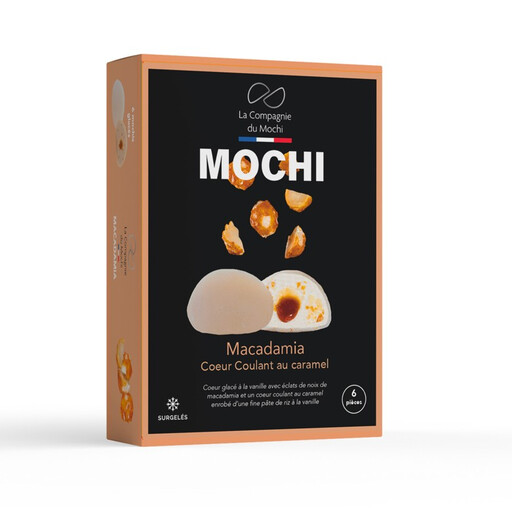 Image unavailable
La Compagnie Du Mochi Macadamia Vanilla Caramel Heart Mochi Ice, x6, 198 g
The pack of six frozen mochis makes it easy to plan individual servings, provided this cold dessert is suitable for the resident.
Check the packaging for allergens and make sure the resident can chew the macadamia recipe. If a particular texture has been prescribed, the dessert must be assessed for the individual resident before serving.
View on Joybuy
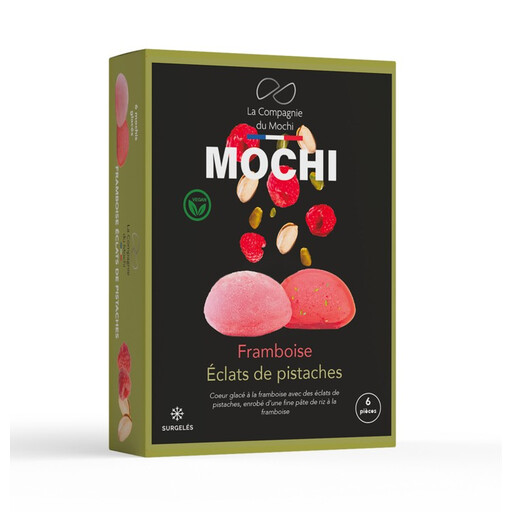 Image unavailable
La Compagnie Du Mochi Mochi Ice Raspberry pistachio, x6, 198 g
The pack of six frozen mochis lets you count out portions without having to cut a dessert intended for sharing.
Check the label for allergens, and make sure the pistachio and the dessert’s texture when prepared are suitable for the resident’s individual requirements.
View on Joybuy
 Image unavailable
BUONO Coconut Mochi Ice, 156 g
This coconut frozen mochi may be suitable for a cold dessert service if its texture is right for the resident.
The pack states 156 g. Before planning portions, check the packaging for the number of units, serving instructions and allergens.
View on Joybuy
Frequently asked questions
Is an individual frozen dessert suitable for someone who has difficulty swallowing?
The individual format alone is not enough to determine whether it is suitable. If a particular texture has been prescribed, have the product assessed as it will be served, in line with the resident’s care plan. Neither its name nor its appearance can replace this check.
Is a treat enough to address the risk of malnutrition?
No. The dessert you choose should form part of the resident’s individual dietary care. To compare products, match the nutrition values per 100 g against the amount actually served. If malnutrition is suspected or diagnosed, the care team will determine the appropriate support.
What should you check on the label before ordering?
Check the dessert’s name, ingredients and allergens, net quantity, storage conditions, preparation instructions and nutrition information. To plan servings, also check the number of units and their weight, if these details are shown on the packaging.
Can you refreeze a defrosted dessert?
No. Anses recommends not refreezing defrosted food and eating it promptly. The French Ministry of Agriculture explains that refreezing encourages bacteria to multiply. Take out only the portions you need, following the product’s storage and preparation instructions.


