Campers keeping an eye on fat
You want to compare what desserts actually contain, rather than relying on their names. The nutrition declaration per 100 g or 100 ml, as explained by the DGCCRF, gives you a consistent basis for comparison.


To find a frozen dessert that’s low in fat, compare the nutrition information per 100 g or 100 ml: the word ‘sorbet’ alone doesn’t tell you enough. When you’re camping, your choice also depends on whether you can transport and keep the product frozen. Individual portions make serving easier, but you should still check the ingredients.
You want to compare what desserts actually contain, rather than relying on their names. The nutrition declaration per 100 g or 100 ml, as explained by the DGCCRF, gives you a consistent basis for comparison.
You’ll need to plan the journey from purchase to serving, rather than relying on a cool box to keep the dessert for long. Anses recommends buying frozen food at the end of your shopping trip, using an insulated bag and keeping transport time to a minimum.
Individual ice lollies mean you won’t need to share a tub that’s already been opened when it’s time for dessert. However, the format tells you nothing about fat content or allergens, so check the specific product you choose.
For a frozen dessert to take camping, first check whether you can keep it frozen until serving time, then compare its ingredients and format.
| Criteria | What to check | Who is it for? |
|---|---|---|
| Fat content | Compare the ‘fat’ line on the same basis: per 100 g or per 100 ml. Check any ‘0%’ claim on the exact product you’re considering. | I want fat content to guide my choice, without assuming that sorbet always meets this criterion. It’s the main concern for around 38% of consumers. |
| Keeping food frozen | Plan to transport it in an insulated bag and check how you’ll keep the dessert frozen until you’re ready to eat it. | Without a freezer at the campsite, I need to eat the dessert soon after buying it rather than save it for the next day. This would be the top priority for around 38% of consumers. |
| Portions | Check the number of pieces, portion size and allergen information on the packaging. | When I’m serving several people outdoors, I prefer individual portions so I don’t have to deal with an opened tub. Easy serving would be the main need for around 24% of consumers. |
The recipe matters more than the category. Carrefour product listings show OASIS sorbet ice lollies with 0.5 g of fat per 100 g, while a CHARLES & ALICE hazelnut sorbet contains 4.4 g per 100 g.
Compare the values per 100 g for the products you’re considering, and check any claims on their packaging.
An insulated bag helps during transport, but it can’t replace a freezer for keeping a frozen dessert at the campsite. A Picard sorbet listing says to store it at −18 °C and not to refreeze it once thawed.
Before buying a tub, decide where you’ll store it and when you’ll serve it. Without suitable equipment, plan to eat it soon after purchase or choose a dessert that isn’t frozen.
A claim about fat doesn’t tell you everything about a product’s nutritional content. Carrefour’s listing for CARREFOUR EXTRA Red Fruit Sorbet Tub also shows 30 g of carbohydrates per 100 g.
If other nutritional details matter to you, check the sugars and serving size shown in the nutrition information too.
A fruit dessert may carry an allergen warning, depending on its recipe and how it’s made.
If someone in your group needs to avoid an ingredient, check the ingredients list and any ‘may contain’ warnings on the packaging of the product you buy.
Its frozen dessert range includes products such as sorbet tubs and ice lollies.
Its frozen dessert categories include sorbets and tubs of ice cream.
The retailer offers products including sorbet tubs and fruit sorbet ice lollies.
Its frozen dessert range includes ice cream and sorbet, including products under the MUCCI brand.
This pack of 12 ice lollies is a handy option if you’re looking for portions that are easy to hand out. Before taking them camping, check the nutrition information on the packaging and make sure you can keep them frozen until serving time.
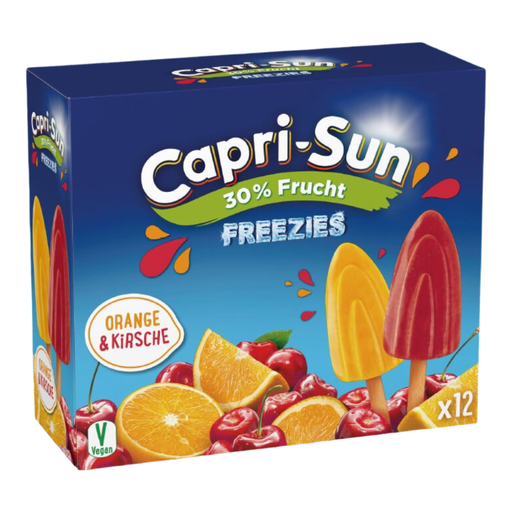 Image unavailable
The pack of 12 is ideal for serving individual portions, provided you can keep the ice lollies frozen until you’re ready to eat them.
Check the packaging for fat per 100 ml, allergens and storage instructions before making your choice. Don’t plan to refreeze ice lollies once they’ve thawed.
No. The dessert’s name is no substitute for checking the nutrition information for the exact product. Compare fat per 100 g or 100 ml on the same basis. The Carrefour listings for two sorbets mentioned in this article show 0.5 g and 4.4 g per 100 g respectively.
Buy it at the end of your shopping trip, put it in an insulated bag and keep transport time to a minimum, following Anses guidance. Then make sure you have suitable storage equipment or plan to eat it soon. Don’t refreeze a product once it has thawed.
Only if you have equipment that can meet the tub’s storage requirements for the whole trip. For example, a Picard sorbet listing says to store it in the freezer at −18 °C. Without suitable equipment, don’t expect a cool box to keep the tub frozen all weekend.
No. This claim relates to fat, not sugar. Carrefour’s listing for CARREFOUR EXTRA Red Fruit Sorbet Tub also shows 30 g of carbohydrates per 100 g. Check the nutrition information for the values you want to compare.
Check the nutrition information, portion size, ingredients, allergens and storage instructions for the product you’ve bought. The DGCCRF explains that nutrition declarations are given per 100 g or 100 ml, making it easier to compare products.