For a lunch break on your own, choose a pastry labelled ‘1 portion’ if you want a dessert that doesn’t need slicing, or an ice cream if its size suits you. A multipack of mini desserts means you’ll need to store any remaining portions. Whatever the format, only take it with you if you can keep it at the required temperature until you’re ready to eat it.
Who are these formats suitable for?
People who can keep food cold during their journey
Taking a frozen dessert with you is only an option if you can keep it at the required storage temperature until lunchtime. The DGCCRF recommends reading the packaging instructions and maintaining the cold chain.
People who want a clearly defined portion
Labels such as ‘1 portion’ and ‘single-serving’ help you identify a pastry that doesn’t need slicing. The formats shown by Picard also highlight why it’s worth checking the net weight: a small ice cream and a portion of pastry aren’t the same size.
People who pay close attention to ingredients and allergens
To compare two recipes, read their ingredients lists and highlighted allergens, then check the nutritional information. The DGCCRF specifies that nutrition declarations are given per 100 g or 100 ml.
What should you check before choosing?
First, work out whether the dessert can be kept at the required temperature during your journey and while you wait. Then compare the portion size and serving instructions for the product you’re considering.
| Priority | What to check | Who is this for? |
|---|
| Keeping it cold during your journey |
The temperature stated on the packaging and whether you can keep it cold until your meal. |
If my journey or wait is longer than expected, I need to be able to store the dessert as instructed; around 33% of consumers would make this a priority. |
| A portion for one |
Whether it’s labelled ‘1 portion’ or ‘single-serving’, the number of items and the net weight. |
I want to avoid slicing a cake or opening a multipack without knowing how many pieces to eat; this would be the priority for around 27% of consumers. |
| Serving it during your break |
Preparation instructions and when you plan to eat the dessert. |
My break is short and I want to know how to serve the pastry or ice cream I’ve chosen; around 20% of consumers would prioritise this. |
| Ingredients and nutrition |
Ingredients, highlighted allergens and nutritional values per 100 g or 100 ml. |
I need to avoid certain ingredients or compare nutritional values before choosing; this would be the main criterion for around 20% of consumers. |
Mistakes to avoid
-
Assuming a pack of mini treats is a single portion
The formats shown by Picard, Carrefour, Auchan and ALDI include both individually sold items and boxes containing several pieces. The number of pieces alone doesn’t tell you how much you’ll want to eat.
For a pastry that doesn’t need slicing, look for ‘1 portion’ or ‘single-serving’. For mochi or bite-sized treats, check the number of pieces and their weight where stated.
-
Taking a frozen dessert with you without a suitable way to keep it cold
The DGCCRF points out that breaking the cold chain can affect product quality and increase health risks. Even if a portion is easy to carry, you still need to keep it at the required temperature.
Before taking it with you, check the packaging instructions against the length of your journey and wait. If you can’t keep it cold enough, choose a non-frozen dessert for this meal.
-
Relying on the recipe name alone to check the ingredients
A dessert’s name is no substitute for its ingredients list. Allergen information and nutritional values answer different questions.
Check the highlighted allergens if you need to avoid an ingredient, then compare the nutritional values per 100 g or 100 ml with the amount you plan to eat.
Retailers to browse when comparing formats
Picard
Its categories include pastries labelled ‘1 portion’ or ‘single-serving’, as well as frozen desserts sold individually or in multipacks.
- Portion labels, weight and the number of pieces make it easier to tell the difference between a single portion and a multipack.
- Two products labelled as single-serving may have different weights, so check the instructions for the product you choose too.
Carrefour
Its frozen dessert range includes bite-sized treats and mochi sold in multipacks.
- The number of pieces stated on some packs helps you plan for several occasions.
- One piece from a multipack may not be the portion you want for your lunch.
Auchan
Its frozen pastry and dessert range includes multipacks and products designed for sharing.
- The variety makes it easier to compare pack sizes by the number of items.
- Check the weight and number of pieces before choosing something for a meal on your own.
ALDI
Its frozen dessert range includes multipacks of mochi and ice lollies.
- A multipack could work well if you can keep the remaining pieces in the freezer.
- Check what’s in the pack and which assortment is available at your local store.
Portion-sized and individual frozen desserts at Joybuy
These products include a 140 ml cup or multipacks of frozen desserts that can be enjoyed one piece at a time. For a lunch break, compare the amount you plan to eat and only choose a product if you can follow its storage instructions.
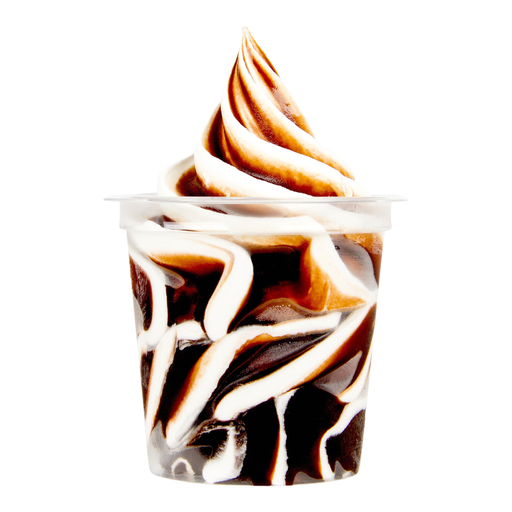 Image unavailable
SOFT Chocolate Ice Cream Cups, 140 ml
The cup format means there’s no need to slice your dessert before your break.
Stated capacity: 140 ml. Check the storage instructions on the packaging before taking it with you.
View on Joybuy
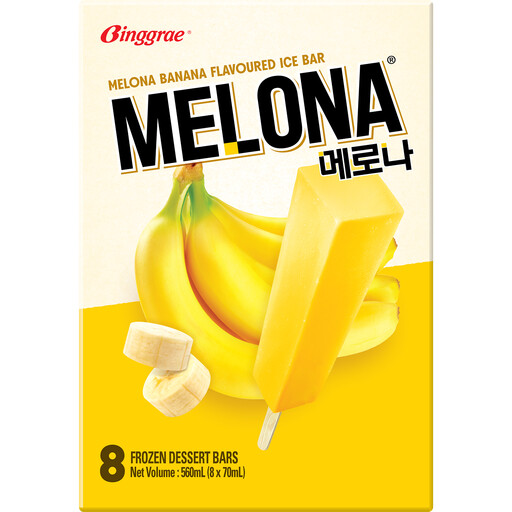 Image unavailable
Binggrae Melona Banana Ice Cream Bar, 8 × 70 ml
The ice lolly format lets you choose one for lunch without having to share a large dessert.
The pack contains eight 70 ml ice lollies; store any remaining ones according to the packaging instructions. Check the label if you need to avoid an allergen.
View on Joybuy
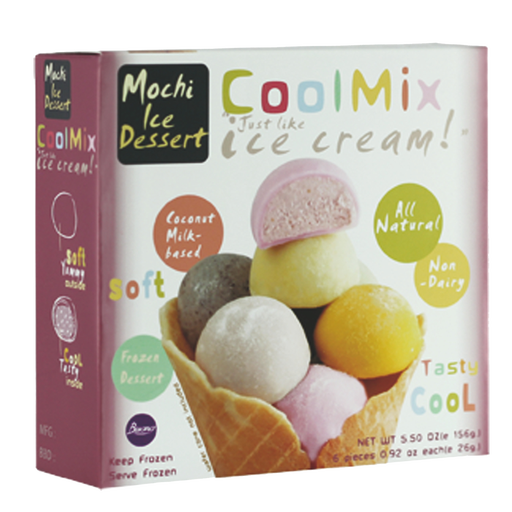 Image unavailable
Buono Mochi Ice Assorted Flavours, 6 pieces, 156 g
This multipack could suit you if you want to choose one or more small pieces for your break and keep the rest in the freezer.
The pack contains six pieces with a total weight of 156 g. Decide how much you want to eat, then check the storage instructions and allergens on the packaging.
View on Joybuy
Frequently asked questions
Can I take a frozen dessert with me for my lunch break?
Yes, as long as you can follow the product’s storage instructions and keep it at the required temperature until you eat it. The DGCCRF recommends maintaining the cold chain and checking the temperature stated on the packaging. Make sure the instructions suit your journey and waiting time.
Does ‘single-serving’ always mean there’s just one item in the box?
No: a pastry labelled ‘1 portion’ and a multipack of mini desserts are different pack formats. Picard, Carrefour, Auchan and ALDI offer both individual items and boxes containing several pieces. Check the product name, number of pieces and net weight of the product you choose.
What should I read on the packaging if I need to avoid an allergen?
Read the ingredients list and look for highlighted allergens rather than relying on the dessert’s name or image. The DGCCRF stresses the importance of this information on food labels.
How can I compare two desserts of different sizes?
First compare their net weight and number of pieces to work out how much you plan to eat. The DGCCRF says nutritional information is given per 100 g or 100 ml, so you can compare the values on the same basis before considering your portion.


