For anyone who doesn’t want leftovers
You’re looking for a dessert made for one, without having to cut and store a cake. Labels such as ‘one portion’ and ‘individual’, which appear on some Picard pastries, can help you find this format.


For a solo wedding anniversary dinner, a frozen pastry labelled ‘one portion’ or ‘individual’ lets you choose a dessert without cutting into a large cake. If you’d rather sample a few different treats, a duo or multi-pack of ice creams could work well, provided you check the quantity, serving instructions and how to store any portions left over.
You’re looking for a dessert made for one, without having to cut and store a cake. Labels such as ‘one portion’ and ‘individual’, which appear on some Picard pastries, can help you find this format.
You might prefer a tartlet, cheesecake or a selection of little treats to serve at dinner. A box of two can also work if its contents are right for you to eat or store.
You want to check the ingredients, allergens and nutritional information before choosing. Always read the label for the specific recipe and pack you’re buying, rather than relying on the label for a different flavour.
For a solo dinner, start by deciding how much you want to serve, then check how the dessert needs to be prepared and stored. Your choice between pastry and ice cream will also depend on how you’d like to end the meal.
| What matters | What to check | Who is it for? |
|---|---|---|
| A portion with no leftovers | Look for ‘one portion’ or ‘individual’, then check the number of pieces and the net weight. | I want to finish my meal without opening a cake made for several people; around 33% of consumers put avoiding leftovers first. |
| How the dessert is presented | Choose between a pastry to serve on a plate and several smaller pieces, depending on how much you want. | For a special evening, I’d rather have a pastry or a small selection to try than a large cake; the sense of occasion comes first for around 27% of consumers. |
| Preparation and serving | Read the cooking or defrosting instructions and the storage guidance for the exact product. | I want to serve dessert when planned, using the time and equipment I have available; around 20% of consumers prioritise ease of serving. |
| Ingredients | Check the ingredients list, highlighted allergens and nutritional values on the packaging. | Before choosing, I need to check that the recipe meets my dietary requirements; around 20% of consumers prioritise checking the ingredients. |
A compact box might contain two desserts, several bite-sized treats or a cake to share. It may not be the right choice if you only want to buy one portion.
Look for the ‘one portion’ label first. If you’re considering an assortment, compare the number of pieces and the net weight.
A pastry that needs defrosting, a dessert that needs warming and an ice cream are all served differently after a meal.
Read the instructions before buying to make sure they fit your schedule and equipment. Keep frozen products cold on the way home from your shop.
‘Individual’ describes how a dessert is presented, not its ingredients. Recipes from the same retailer can have different ingredients.
Check the ingredients list and highlighted allergens on the exact packaging you plan to serve.
These retailers offer different frozen dessert formats. A product shown by a retailer may not be available in your local store.
A good place to look for pastries clearly labelled ‘one portion’ or ‘individual’.
Its frozen pastry range includes desserts in different sizes and pack quantities.
Worth a look if you’re considering a frozen dessert in several small portions.
Product pages can help you check the recipe and format before choosing a collection point.
Its frozen dessert range is worth a look if you’d like to serve one or more small ice creams.
Check your local store if you’re open to a frozen selection that may change with the season.
These products are individually wrapped ice creams, so you can serve a tub or ice lolly without cutting into a cake. However, all three packs contain several portions, so check that you can store any left over after dinner.
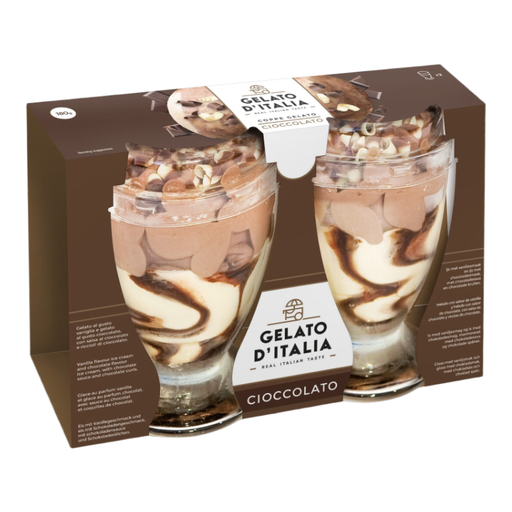 Image unavailable
A tub is an easy way to serve an individual frozen dessert. The box contains two 90 g tubs. If you’re only serving one, check the serving and storage instructions on the packaging.
 Image unavailable
The ice lolly format makes it easy to serve one at a time. The box contains six, with a total weight of 270 g. Consider what you’ll do with any left over, and check the storage instructions on the packaging.
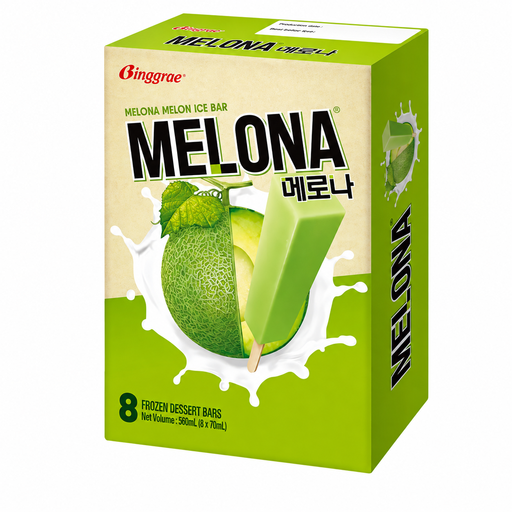 Image unavailable
Each ice cream stick is individually portioned for serving. The box contains eight, each measuring 70 ml; store the remaining portions according to the instructions on the packaging.
Look for a clear ‘one portion’ or ‘individual’ label, then check the number of pieces and the net weight. A box of bite-sized treats can be portioned out, but that doesn’t make it a single-portion pack.
No: it describes the format, not the ingredients. For pre-packed food sold in France, check the ingredients list and highlighted allergens on the packaging for the recipe you’ve bought, in line with the DGCCRF’s labelling guidance.
Keep it out of the cold for as little time as possible and follow the storage temperature shown on the packaging. The DGCCRF reminds shoppers that the cold chain must be maintained during food transport, too.
Check availability with the store or collection point where you plan to shop. E.Leclerc, for example, advises customers to check with the relevant store about its products. Retailers’ limited-time offers may also change.