
Livraison le jour même ou le lendemain

Qualité garantie

Débloquez vos offres de bienvenue: Livraison GRATUITE | Jusqu'à -80 % | 30 jours d'essai gratuits à JoyPlus
Téléchargez l'application
Frozen crab is a convenient and accessible way to enjoy this delicate shellfish all year round. Whether you're a passionate home cook or a food service professional, finding a product that combines flavour, quality, and ease of use is essential. With such a wide variety of options available, making a choice can be challenging. This guide is designed to provide clear benchmarks to help you buy frozen crab with confidence, based on objective criteria.
Before looking at specific products, some basic knowledge will help you make an informed decision. Here are three factors to consider for your next purchase.
The crab's origin is a key indicator of its quality. European Union regulations require precise labelling that must state the catch area (e.g., FAO zones). This information tells you about the environment where the shellfish lived. Prioritise products with clear traceability provided by the frozen crab supplier. A rapid freezing process immediately after the catch (often referred to as frozen at sea) is also a guarantee of freshness, preserving the meat's flavour and texture.
The choice of format depends entirely on your intended use.
A quick glance at the ingredients list is always informative. Ideally, it should contain only one ingredient: crab. Some products may contain additives or preservatives (like sulphites) to maintain colour or texture. While regulated, their presence can be a deciding factor for consumers seeking the most natural product possible. Also, check for potential allergens, which must be clearly indicated.
Taking the above criteria into account, we have identified several compelling options available on the market. This selection is designed to meet a variety of needs, whether in terms of crab type, format, or budget.
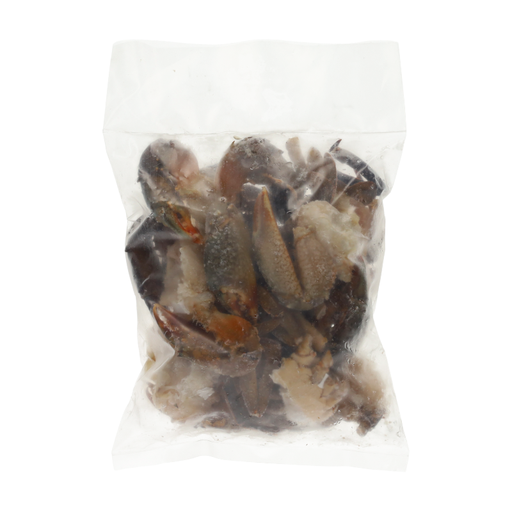
Why we recommend it: This frozen mud crab comes in a pre-cut format, making it extremely convenient for immediate use. Mud crab is renowned for its firm, plentiful meat and its rich, slightly sweet flavour. This packaging is designed to simplify the preparation of saucy dishes or woks.
Advantages:
Who is this product for: Home cooks and professionals alike who want the distinctive flavour of mud crab without the hassle of preparing a whole one. It's an excellent base for Asian or Creole dishes.
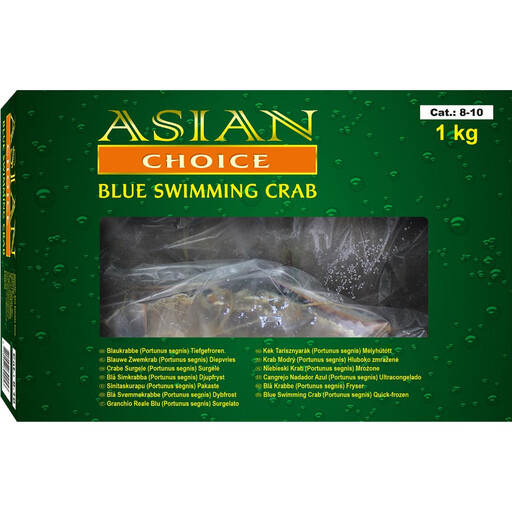
Why we recommend it: This product offers whole blue swimming crab, a species prized for its tender, delicate meat. The size (80/180g per piece) is ideal for individual portions. Traceability is a key feature, with a clear mention of the catch area (FAO 37.2.2 - Central Mediterranean).
Advantages:
Who is this product for: Seafood lovers who appreciate the delicate flavour of blue crab and want to cook it simply (grilled, steamed, boiled) to preserve its natural taste. Also suitable for restaurateurs for à la carte dishes.
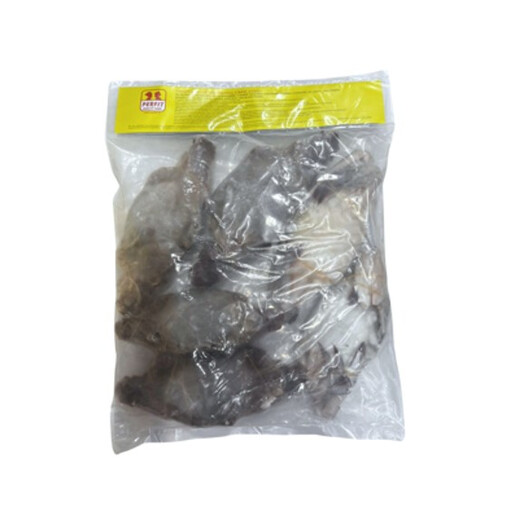
Why we recommend it: This product stands out for its generous bulk size. It features large whole blue swimming crabs (over 250g per piece), packaged in a 2 kg bag. This is a cost-effective option for large gatherings or for food service professionals with bulk requirements.
Advantages:
Who is this product for: Large families, event organisers (caterers), and restaurants looking to source quality whole frozen crab with a good volume-to-price ratio.
This selection represents a glimpse into the possibilities offered by frozen crab. Each product has its own unique characteristics and is suited for different uses. If you wish to explore a wider range or discover other types of shellfish, many alternatives are available.
For a complete overview of our selection, feel free to browse our full category of frozen shellfish.
The safest method to preserve the meat's texture is slow thawing. Place the frozen crab in a container in the refrigerator for 12 to 24 hours, depending on its size. Avoid thawing at room temperature or in the microwave, as this can compromise the product's quality and promote bacterial growth. Once thawed, the crab should be cooked within 24 hours and must never be refrozen.
The price of frozen crab varies considerably depending on several factors: the species (king crab will be more expensive than blue crab), the size of the pieces, the format (whole or cut), and the packaging (total weight). Cut or processed products may have a higher cost per kilo due to the additional labour involved. It is therefore advisable to compare the price per kilo for equivalent products.
For small crabs or crab sections intended for boiling or steaming (for example, in a soup or curry), it is sometimes possible to add them directly from frozen into the cooking liquid. However, for even cooking and to prevent the meat from being overcooked on the outside while still cold on the inside, thawing beforehand is strongly recommended, especially for whole or large pieces.