Shoppers comparing fat content
You want to compare the declared fat content of your everyday chips without assuming that a lower figure means they are labelled “reduced fat”. Check the figures per 100 g and the recommended cooking method.


For your weekly shop, first choose chips that are suitable for your appliance, then compare the fat content per 100 g of product as sold and the pack size. French product information for Pom’Lisse classiques 9x9, McCain Just au Four Classique and Carrefour Classic’ spécial four lists 2.4 g, 3.5 g and 4.4 g of fat per 100 g respectively. These figures relate to different products and cooking methods, and do not prove that a product carries a “reduced fat” claim.
You want to compare the declared fat content of your everyday chips without assuming that a lower figure means they are labelled “reduced fat”. Check the figures per 100 g and the recommended cooking method.
You’re looking for chips that suit the appliance you use during the week. Check which appliance the product is intended for and follow the pack instructions rather than assuming all chips cook in the same way.
You need to choose a pack that suits the number of meals you have planned and the space in your freezer, while also comparing the product details.
Start with the cooking method you’ll actually use, then compare the nutritional information per 100 g of product as sold. Any oil or salt you add at home isn’t included in this comparison of the packs.
| What to compare | What to check | Who it matters to |
|---|---|---|
| Fat content | Compare the fat content per 100 g of product as sold and check the recommended cooking method. | If I’m mainly comparing declared fat content, I also need to take account of any oil added during cooking; around 45% of shoppers put this first. |
| Cooking method | Check which appliance is recommended, along with the cooking time and temperature specified for the pack. | When I’m preparing a midweek meal, I need chips that suit the appliance I have; around 27% of shoppers prioritise this compatibility. |
| Pack size | Check the pack weight, what you need for your planned meals and how much freezer space you have. | For several meals, I prefer a pack I can store and use without leaving a large, opened bag; around 18% of shoppers prioritise pack size. |
| Ingredients and salt | Read the ingredients list and check the salt content per 100 g; use the Nutri-Score as a guide to the product as sold. | If the recipe or salt content matters most to me, I want to compare the labels before choosing; around 10% of shoppers put this need first. |
A difference between two nutrition tables isn’t enough to establish that a product carries a regulated nutrition claim. The DGCCRF points out that these claims are governed by European Regulation (EC) No 1924/2006.
Compare the figures per 100 g, but check the packaging for the exact wording of any “reduced fat” claim.
The fat content listed for a product as sold doesn’t necessarily reflect the chips after cooking with added oil. According to Manger Bouger, the Nutri-Score is also calculated for the product as sold.
Choose a product intended for your appliance and take account of any oil and salt added during preparation.
A pack intended for several meals is only useful if it suits your consumption and the space available in your freezer.
Check the pack weight and storage instructions before adding it to your basket.
A pack that’s bigger than you need can take up valuable freezer space and lead to waste.
Anses notes that fried potatoes are among the foods that may be affected by acrylamide formation when cooked at high temperatures.
Follow the manufacturer’s recommended cooking time and temperature, and keep an eye on the colour as they cook.
The French range includes products designed for different cooking methods.
The range includes chips specially made for the oven.
E.Leclerc’s Marque Repère own-label range includes classic 9x9 chips in a 2.5 kg bag.
The retailer offers chips in a range of pack sizes and for different cooking methods.
ALDI sells a frozen oven chips product under this brand.
These packs offer a range of sizes and styles to consider for midweek meals. Check the exact variety and cooking instructions before choosing: the figures for a French product mentioned above don’t apply to another variety from the same brand.
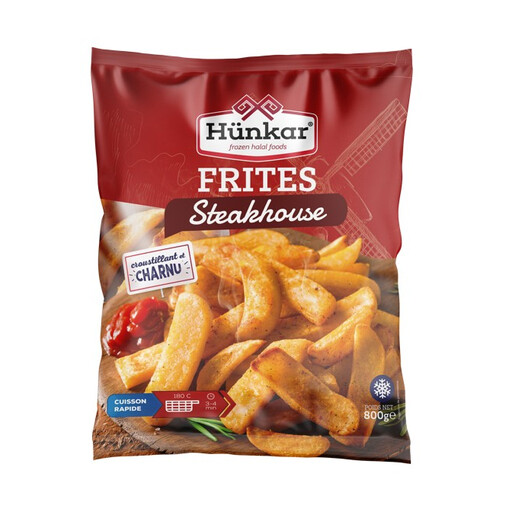 Image unavailable
Worth considering if you’re looking for an 800 g bag of chips and plan to check the deep-frying instructions. Compare the nutritional information for the product as sold with that of other bags; the oil used for deep-frying can change the final dish.
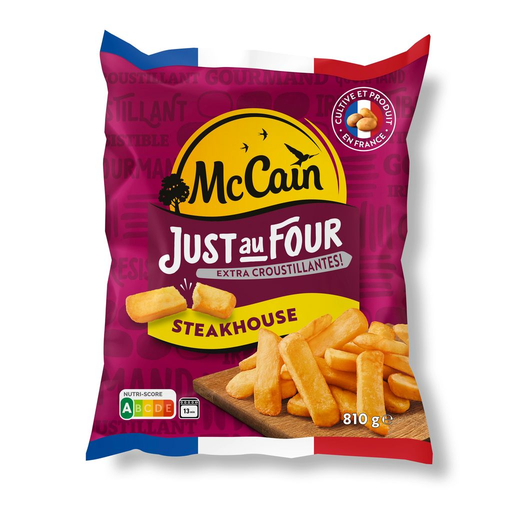 Image unavailable
This variety is worth considering if you’re looking for oven chips for midweek meals. Check the cooking time and temperature on the bag; don’t assume it has the same nutritional values as McCain Just au Four Classique, which is a different product.
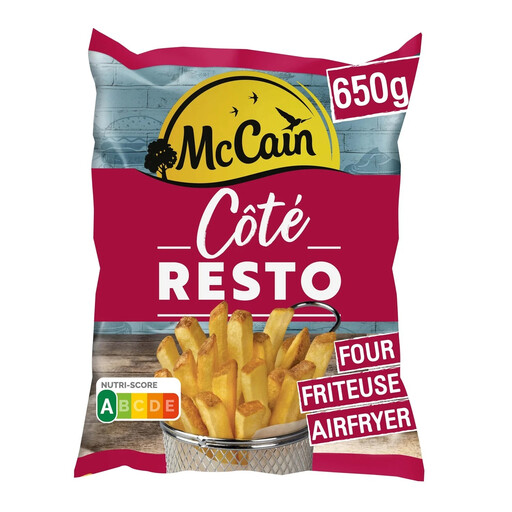 Image unavailable
This 650 g pack could suit you if you’re planning to cook your chips in the oven. If you’re thinking of using an air fryer, check the pack for instructions for that appliance. You may also want to check the ingredients list if the coating is a factor in your choice.
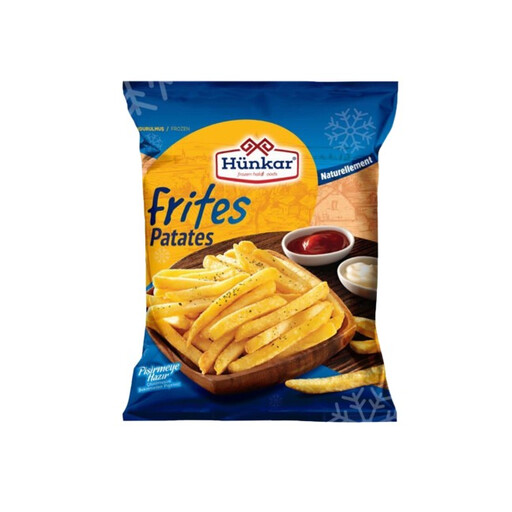 Image unavailable
This 1,000 g bag is worth considering if the size suits the meals you have planned and the space in your freezer. Check the deep-frying instructions and compare the fat content per 100 g of product as sold.
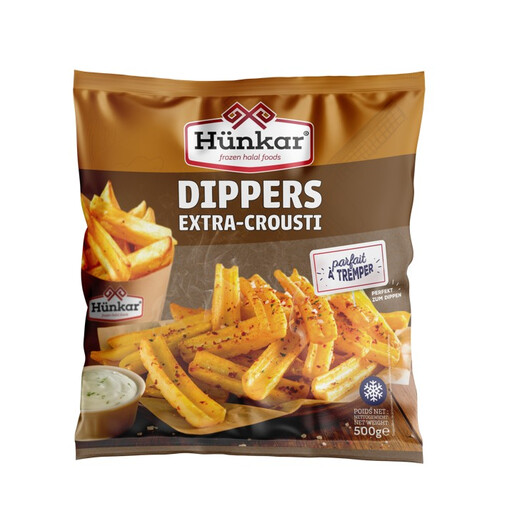 Image unavailable
Compare the 500 g pack size with what you need for your meals during the week. If you switch between the oven, air fryer and deep-fat fryer, follow the instructions for your chosen appliance and compare the nutritional values on the same per-100 g basis.
No. A lower figure than that of another bag isn’t enough to support this claim. The DGCCRF points out that nutrition claims are governed by European Regulation (EC) No 1924/2006; check the wording actually used on the product.
Compare their nutritional information per 100 g, particularly the fat, saturated fat and salt content, then check the cooking methods. The DGCCRF specifies that nutrition declarations are given per 100 g or 100 ml. For chips, use the per-100 g figures and distinguish between the product as sold and the food after cooking.
No. Also check the “fat” figure per 100 g and the recommended cooking method. According to Manger Bouger, the Nutri-Score is calculated for the product as sold; it doesn’t account for oil or salt added at home.
Follow the storage instructions and check the date on the bag you’ve chosen. For example, the Joybuy product information for McCain Just au four Classique 810 g specifies storage at −18 °C or below and says not to refreeze the product after defrosting. Check the instructions for the exact variety you’re buying.
Following the pack instructions helps you avoid cooking the chips for longer than recommended. Anses notes that fried potatoes are among the foods that may be affected by acrylamide formation when cooked at high temperatures. Keep an eye on the colour and follow the recommended cooking time and temperature.