
Livraison le jour même ou le lendemain

Qualité garantie

Débloquez vos offres de bienvenue: Livraison GRATUITE | Jusqu'à -80 % | 30 jours d'essai gratuits à JoyPlus
Téléchargez l'application
Buying frozen beef means you always have a few convenient portions to hand, so you can cook what you fancy without making endless trips to the butcher. However, not all products are equally suitable. Thin slices intended for hot pot are completely different from a cut for slow cooking, just as a seasoned beef burger is different from a plain cut of beef.
Whether you are shopping for a family, a fan of Asian cuisine, looking for halal beef, or working in the catering trade, three common mistakes come up time and again.
A slice of beef intended for hot pot cooks in just a few seconds. By contrast, beef brisket, beef shin or a braising cut needs time to become tender. Using a cut intended for slow cooking on a barbecue may result in tough meat, while a very thin slice loses all its appeal after spending hours in a casserole.
Marketing terms such as ‘premium’, ‘selected’ or ‘restaurant special’ do not replace essential information. Instead, check the ingredients, net weight, origin, cut and storage instructions. A product made from 100% beef cannot be compared directly with a preparation containing water, plant proteins, salt or herbs.
A 200 or 300 g pack may be perfectly suitable for one person, but prove impractical for a family. Conversely, a large-format beef product weighing 1 kg takes up space in the freezer and requires a little planning. Most products must be stored at –18 °C or below and must never be refrozen after defrosting.
For a simple preparation, look for a short ingredients list. Kinda Hotpot Beef Rolls 800g Halal, for example, is described as being made from 100% beef and individually frozen in portions. Other beef burgers may contain water, soya protein, spices or flavourings.
People with allergies should also check the relevant information carefully. Some preparations contain soya, wheat or sesame, or may contain traces of other ingredients. For frozen halal beef, check the halal claim and the information shown on the packaging when you buy it: certification applies to the product and its labelling, not to a category of meat as a whole.
Origin allows you to compare products, although it does not necessarily provide a general indication of flavour. Depending on the product, the label may state a French, British, European or Chinese origin, or list several origins. Charal Pure Beef Minced Steaks 15% 10x100g is stated to be made from French beef and prepared in France, while several Kinda and Freshasia slices state a British origin or the United Kingdom.
The weight should be considered in relation to the number of people you are serving:
Then follow the use-by or best-before date shown, the storage temperature and the instruction not to refreeze the product after defrosting.
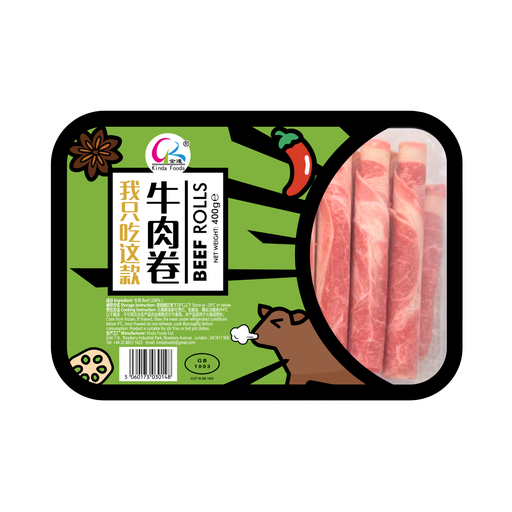
Why this product suits this profile : With its easy-to-store 400 g pack and evenly cut slices, this product is suitable for hot pot, stir-fries and impromptu barbecues.
The cut and weight are clearly stated, helping you avoid choosing an unsuitable piece or an excessive quantity.
Uniform slices, quick cooking, 400 g per pack and storage at –18 °C or below.
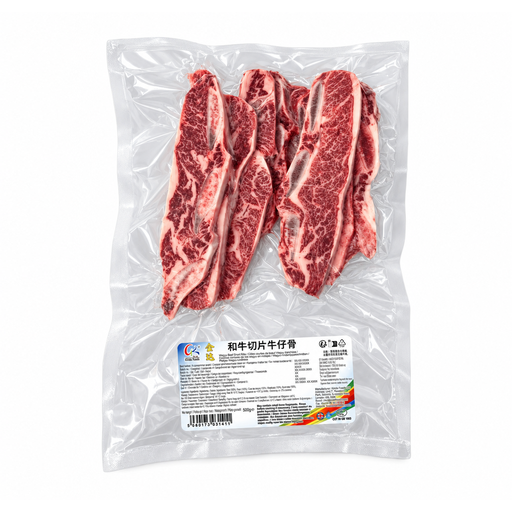
Why this product suits this profile : These British bone-in beef ribs are suitable for the barbecue, frying pan or oven, creating a more generous serving.
The bone, 500 g pack size and UK origin are clearly stated : you cannot mistake it for a boneless cut.
Advertised as 100% British Wagyu beef, thick ribs and a preparation perfectly suited to grilling.
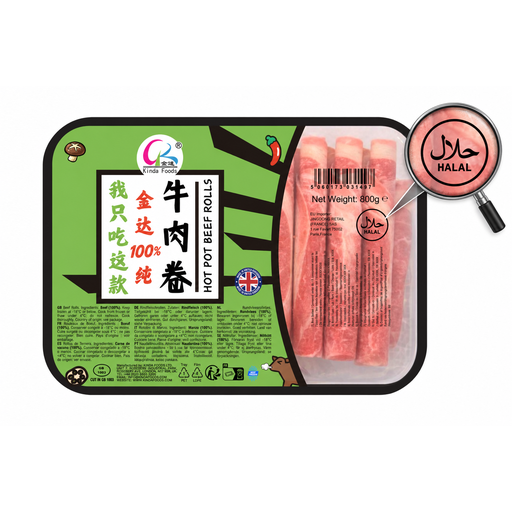
Why this product suits this profile : Its 800 g pack and thin slices are suitable for family meals, buffets and professional catering.
The even thickness and halal claim make it easier to choose for repeated service, subject to checking the labelling when it arrives.
800 g, thin slices, advertised individual freezing and UK origin.
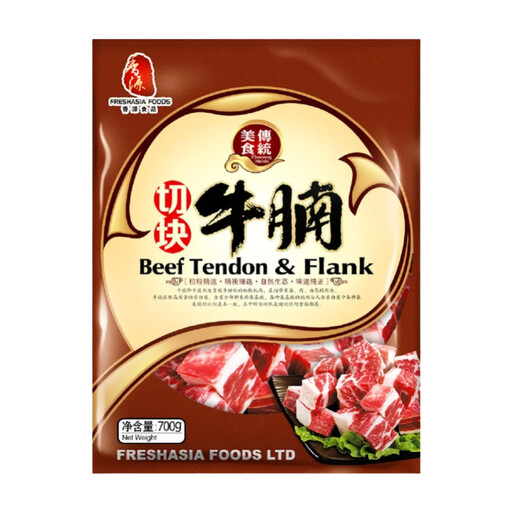
Why this product suits this profile : This block cut is suitable for soups, braises, stews and stock, with enough meat for several meals.
The description clearly states that this is a cut intended for slow cooking, rather than meat for searing in just a few minutes.
700 g, advertised as 100% beef, British origin and intended for long, slow cooking.
We have brought together a complete selection, updated in real time, of products that meet these demanding criteria and European food safety regulations.
To preserve the cold chain and minimise unpleasant surprises when it comes to texture, follow the instructions specific to each pack.
This depends on the use-by or best-before date shown on the packaging, as well as maintaining a constant temperature of –18 °C or below. Avoid repeated temperature fluctuations and check the condition of the pack before using it.
Some products intended for hot pot state that they can be cooked straight from frozen. For other cuts, refer to the instructions : defrosting in the refrigerator is often recommended. In all cases, the meat must be cooked sufficiently before it is eaten.
Allow an amount suited to your guests’ appetites and the other ingredients being served. A 400 g pack may be enough for a small meal, while an 800 g pack is more practical for a family table or a meal served with plenty of ingredients. Also take into account the actual weight available after separating the slices and the quantity of other food added to the broth.