
Livraison le jour même ou le lendemain

Qualité garantie

Débloquez vos offres de bienvenue: Livraison GRATUITE | Jusqu'à -80 % | 30 jours d'essai gratuits à JoyPlus
Téléchargez l'application
Frozen Asian snacks are perfect for putting together an impromptu appetiser, light meal or sharing platter. Dumplings, Korean mandu, bao, samosas and corn dogs can be kept in the freezer and usually need very little preparation. But behind packaging that can look quite similar, there are differences that can affect how they turn out on your plate.
Before filling your basket, check three things: how to cook them, what they contain and how to store them. These factors have a direct impact on the finished result, the cost per serving and whether they suit your household’s eating habits.
A product described as “easy to prepare” may actually need deep-frying, thawing first or very precise cooking. If you mainly use an oven or air fryer, choose frozen snacks for the oven or air fryer and check the temperatures on the packaging.
Some dumplings are designed for steaming or pan-frying. Korean corn dogs, on the other hand, usually develop their crispy texture in the oven, air fryer or a deep-fat fryer.
Frozen Asian specialities often contain wheat, soya, sesame, crustaceans, milk or eggs. Even a vegetarian recipe may include milk or soya protein. Always check the ingredients list and allergen declaration, especially if you’re serving appetisers to a group.
Damaged packaging, a product that has partly thawed or refreezing can affect both texture and food safety. Get your shopping home quickly, store it in a freezer at –18 °C or below, then follow the use-by date and instructions on the packaging. Never refreeze a product once it has thawed.
If you’ll be buying these regularly, compare the cooking methods available:
Instructions may vary depending on the weight and recipe. Always follow the temperature and cooking time given by the manufacturer rather than relying on a general estimate.
For an appetiser, individual portions and bags containing several pieces make serving easier. A pack of 20 bites is better suited to a group, while a pack of two or three pieces can round off a quick meal.
Check the filling too: vegetables, chicken, pork, prawns, cheese or a plant-based preparation. The label frozen vegetarian snacks doesn’t automatically mean “dairy-free” or “egg-free”; only the ingredients list can confirm this.
Nutritional values are generally given per 100 g. This makes it easier to compare products on a like-for-like basis, without drawing medical conclusions. For a varied selection, mix breaded bites, vegetable dumplings and legume-based products.
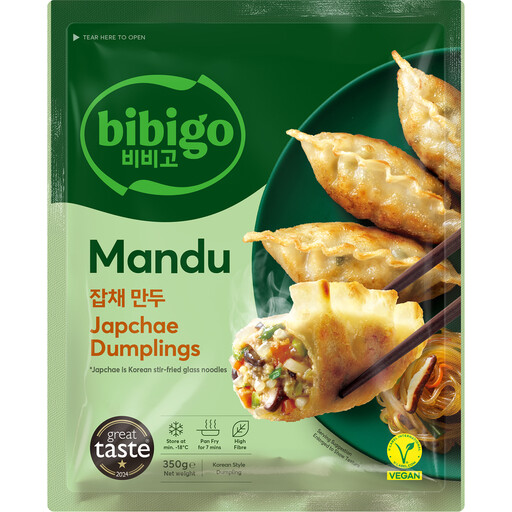
Why it suits this profile : These Korean mandu can be steamed or pan-fried, so you can get started without any specialist equipment.
Having two cooking methods to choose from reduces the risk of buying a product that isn’t suited to your kitchen.
A recipe described as vegan, a 350 g pack and around seven minutes’ preparation time, depending on the cooking method.
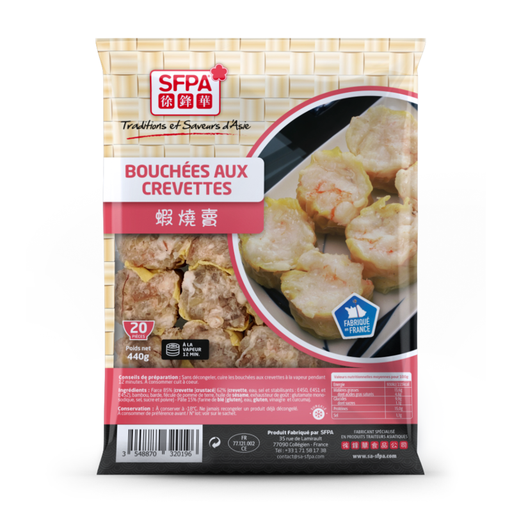
Why it suits this profile : These Cantonese bites are ideal for a stylish spread, whether you’re hosting a drinks party with food or sharing a meal.
The pack explains that you can cook them straight from frozen by steaming, so there’s no need to guess whether to thaw them first.
20 pieces, with a filling that contains 58 % prawns according to the product information, and a wheat-flour wrapper.
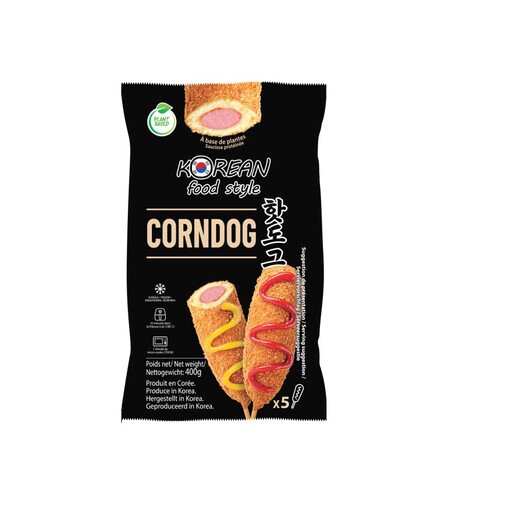
Why it suits this profile : This five-piece plant-based pack is a good choice for families and buffets, or if you’re looking for a meat-free option.
The instructions clearly give the settings for both the oven and air fryer, with a suitable temperature and cooking time for each appliance.
Five 80 g portions, made with a plant-based preparation, and suitable for air-frying at 180 °C for 8 to 10 minutes.
We’ve put together a comprehensive list, updated in real time, of products that meet these strict selection criteria and European safety regulations.
Let your freezer reach a sufficiently low temperature before putting your shopping away. Avoid overfilling the drawers: cold air needs to circulate. For an appetiser, cook the products in batches so you can serve them piping hot and crispy.
Frozen samosas, cheese bites and onion rings can go on the same tray if their cooking temperatures are compatible. Dim sum, however, usually need a steamer basket or separate cooking to stop the wrappers sticking together.
Yes, many dumplings and mandu can be cooked straight from the freezer. Be sure to follow the instructions on the packaging, though: steaming, pan-frying and boiling will all give different results. Thawing them when it isn’t recommended can make the wrappers soft.
At –18 °C or below, follow the date on the packaging. Storage times can vary depending on the product and its packaging. Once opened, protect any remaining pieces to stop them drying out, and never refreeze a product that has thawed.
Yes, some products are vegetarian or vegan, including vegetable mandu, falafels and some plant-based corn dogs. Always check the recipe, allergens and any stated traces before putting together your selection.