
Livraison le jour même ou le lendemain

Qualité garantie

Débloquez vos offres de bienvenue: Livraison GRATUITE | Jusqu'à -80 % | 30 jours d'essai gratuits à JoyPlus
Téléchargez l'application
The arrival of frozen Asian products has revolutionized our kitchens, making once-distant flavours accessible in minutes. But be warned, not all are created equal. Between promising packaging and disappointing contents, it's easy to make a mistake. Our mission: to help you navigate this jungle to make the right choices, and say goodbye to disappointment and waste.
Before you fill your freezer, keep an eye out for these red flags. They'll help ensure a much better cooking experience.
To avoid these setbacks, there are a few quality indicators to examine closely before you even head to the checkout.
The gold standard is IQF (Individually Quick Frozen). The principle? Each food item (a frozen edamame bean, a slice of vegetable, etc.) is frozen separately and at very high speed.
For quality Asian cooking ingredients, the rule is simple: the shorter the list, the better. For fruits or vegetables, the ideal is to find only the raw product, with no added salt, sugar, or preservatives. Also, take a look at the country of origin, which is a good indicator of authenticity for certain varieties. A reputable online Asian grocery store will always display this information with full transparency.
The format should primarily match your intended use.
To move from theory to practice, here are a few products that tick all the boxes, suited for different needs.
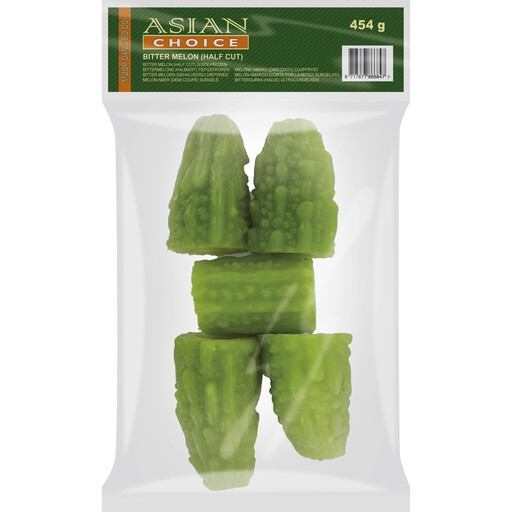
Perfect for: Those who love to recreate authentic dishes with ingredients that are out of the ordinary. A pillar of many Asian cuisines, bitter melon is a godsend in its frozen version.
The "half-cut" format is the perfect compromise: it spares you the chore of prepping a whole vegetable while leaving you the freedom to cut it to size for your recipe (in slices, cubes...). It's a true "ready-to-cook" product, not a false promise.
Retains its characteristic bitterness and firm texture, which are essential for stir-fries or soups. Single ingredient: 100% bitter melon, nothing else.
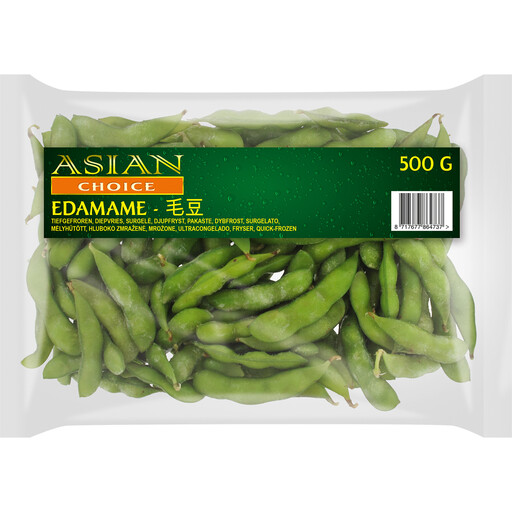
Perfect for: A healthy appetiser in a pinch, a quick starter, or to boost a salad or poké bowl. Edamame is the quick and easy nutritional asset for busy weeknights.
The beans are already shelled and individually quick-frozen (IQF). Goodbye to the solid block of ice and hello to easy portioning! The texture remains firm after a quick boil or steam.
Rich in plant-based protein (13g per 100g) and no added salt. Ready in minutes, it's the ultimate healthy snack or side dish.
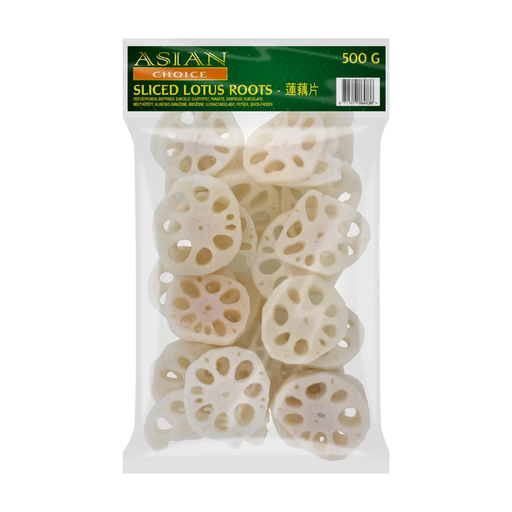
Perfect for: Lotus root is a versatile staple, just as good in soups and stir-fries as it is in salads. Having ready-to-use slices is a real bonus for regulars of Asian cuisine.
The uniform slices eliminate the tedious prep step and ensure even cooking. The quick-freezing process preserves the lotus root's iconic crunch, a far cry from the mushy, disappointing texture of some low-end products.
Maximum time savings and a guaranteed crunchy texture. A reliable base ingredient you can count on for numerous recipes.
We've put together a complete selection of products that meet our quality criteria and current regulations.
For most frozen Asian vegetables that will end up in a hot dish (stir-fry, soup...), there's no need to thaw! Cooking them straight from the freezer is actually the best way to preserve their firmness. For cold applications, like a wakame salad, simply follow the package instructions, which usually recommend gentle thawing in the refrigerator.
Yes, and it's even the best thing to do for most of them (edamame, lotus root slices, taro...). By tossing them directly into a hot wok or simmering broth, you prevent them from becoming waterlogged and mushy. A good rule of thumb: always check the preparation tips on the packaging.
Once the bag is opened, seal it tightly (with a bag clip or by placing it in a freezer bag) and use the rest within one to three months for optimal quality. Make sure your freezer is set to -18°C (0°F) or lower. And the golden rule: NEVER refreeze a thawed product.