
Livraison le jour même ou le lendemain

Qualité garantie

Débloquez vos offres de bienvenue: Livraison GRATUITE | Jusqu'à -80 % | 30 jours d'essai gratuits à JoyPlus
Téléchargez l'application
Looking for frozen Asian pork for a hot pot, barbecue or slow-cooked dish? The price alone is not enough to make the right choice. From raw cuts and pre-seasoned preparations to ready-to-cook meatballs, storage, ingredients and cooking methods can make a major difference to the final result.
Here are the main pitfalls to avoid and the criteria to check before buying frozen pork products in France.
A meatball that looks ready to use may still need to be cooked thoroughly. For example, FRESHASIA and HANSS products state that cooking is required, even though they have already been prepared. Conversely, some products may simply need reheating. In all cases, check the label and follow the manufacturer's instructions.
A raw cut, such as pork ribs, belly or a pork knuckle, must be defrosted and then cooked using the appropriate method. Buying without distinguishing between these categories risks underestimating the preparation time or even serving meat that is not fully cooked.
Phrases such as ‘authentic texture’, ‘traditional recipe’ or ‘superior quality’ are no substitute for concrete information. To compare products, look instead at:
A preparation may contain chicken, starch, sugar, sauces or additives as well as pork. This is not necessarily a problem, provided its ingredients match your recipe and expectations.
Frozen pork products should generally be stored at –18 °C or below until their best-before date. Once defrosted, they must never be refrozen. For several raw cuts, the instructions also specify storage in the fridge and consumption within 24 to 48 hours of defrosting.
When your order arrives, inspect the packaging carefully. A badly misshapen or pierced bag, or one covered in a significant amount of ice, should prompt you to check the condition of the product before using it.
The cut you choose has a direct impact on the final texture:
For a Chinese hot pot, choose meatballs, thin slices and cuts that cook quickly. For a stock, pork knuckle, trotters, ribs and cartilage are generally more suitable.
For Asian pork meatballs, compare the proportion of meat with the added ingredients. FRESHASIA Wanjiang meatballs contain 70% pork and 12% chicken, among other ingredients. FRESHASIA stuffed meatballs, meanwhile, combine a pork-based casing with a chicken filling.
The allergen list deserves careful attention. Chinese pork dumplings may contain wheat, soya and sesame, as is the case with FRESHASIA fennel or fermented Chinese cabbage dumplings. Meatballs prepared with oyster sauce may also contain molluscs.
A 200 to 400 g bag is suitable for a quick meal or a hot pot for a few people. 1 kg packs are better suited to families, batch cooking or professional kitchens. However, keep an eye on the space available in your freezer and on how much you will realistically consume once the pack has been opened.
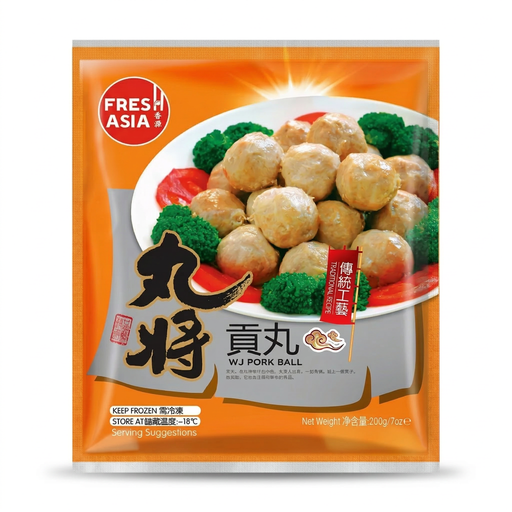
Why this product suits this shopper: Its compact size fits easily into soups, noodle dishes or Chinese hot pots, without requiring you to buy a large quantity.
The product details clearly list the ingredients, allergens and cooking time, which ranges from 5 to 7 minutes depending on the method used.
Pork and chicken meatballs that are easy to use in soups, stir-fries or hot pots.
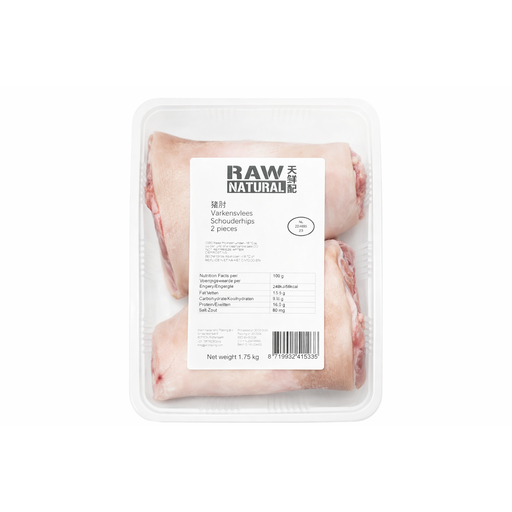
Why this product suits this shopper: Its generous size and cut with skin and tendons will appeal to cooks who enjoy slow cooking and pronounced textures.
The product details specify that this is a raw pork knuckle, which must be completely defrosted before cooking.
A 1.3 kg cut suitable for braising, slow cooking, making stock or roasting.
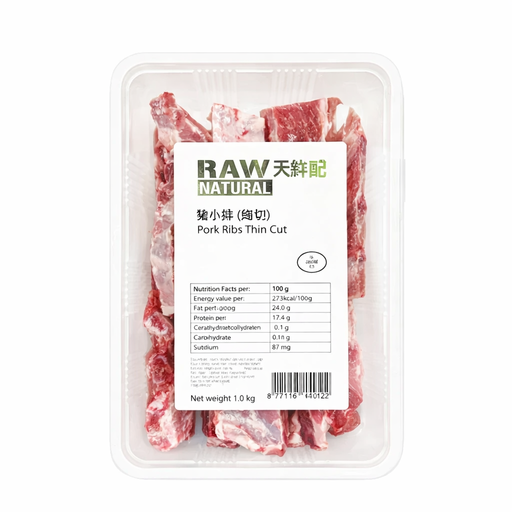
Why this product suits this shopper: Its family-sized format is ideal for larger gatherings, preparing several meals and professional kitchens.
The thin cut is clearly stated in the product name, making it easier to portion for soups, braised dishes and stir-fries.
A product presented as being made from 100% pork, with no legally declarable allergens, in a 1 kg format.
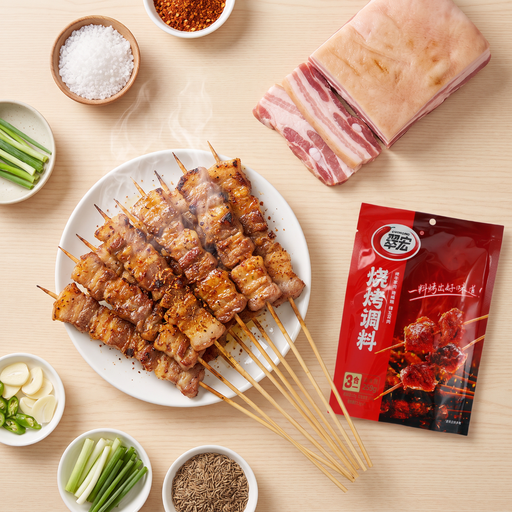
Why this product suits this shopper: This pack combines pork belly with skin and its seasoning, making it easier to prepare an Asian-style barbecue.
The product details clearly distinguish the raw meat from the seasoning mix and recommend cooking to a core temperature of at least 70 °C.
A 600 g pork belly accompanied by an all-in-one seasoning combining powder, oil and chilli sauce.
We have brought together a complete, real-time updated selection of products that meet these demanding selection criteria and European food safety regulations.
For raw cuts, defrost them preferably in the fridge, never at room temperature. According to the product details, meatballs can often be placed straight into gently simmering stock. Chinese pork dumplings, on the other hand, are generally cooked from frozen to help preserve their wrappers.
Wash your hands, utensils and surfaces after any contact with raw meat. Use a separate chopping board for ready-to-eat vegetables and make sure the meat is thoroughly cooked in the centre. The packaging instructions always take priority, particularly for Taiwanese sausages, pork offal and preparations combining several types of meat.
Yes, if the product details allow it. Meatballs can be placed straight into simmering soup or hot pot broth, then cooked until piping hot in the centre. Always follow the cooking time stated on the packaging.
It depends on the product. Several products recommend storing them in the fridge for 24 hours after defrosting, while some preparations allow up to 48 hours. Check the label and never refreeze a defrosted product.
Pork meatballs, thin slices, chopped cartilage and certain rib cuts are well suited to cooking in broth. To vary the textures, serve them with vegetables, noodles and mushrooms, checking the allergens for each preparation.