
Livraison le jour même ou le lendemain

Qualité garantie

Débloquez vos offres de bienvenue: Livraison GRATUITE | Jusqu'à -80 % | 30 jours d'essai gratuits à JoyPlus
Téléchargez l'application
Frozen Asian dumplings are a convenient solution for whipping up a quick meal, a starter, or a sharing platter. But behind this name lie very different products: Japanese gyoza, Chinese wontons, prawn dumplings, Korean mandu, dim sum, and even translucent steamed bites.
Before you place an order, three common pitfalls keep cropping up:
The product name isn't always enough. Dumplings described as "prawn" may also contain pork, animal fat, fish, or fish sauce. For a vegetarian diet, it's better to look for a composition that is explicitly 100% plant-based, rather than settling for a simple "vegetable" claim.
Also check for the possible presence of gluten, soya, sesame, egg, shellfish, molluscs and celery. You should verify this information both on the product page and on the packaging you receive: both the recipe and the labelling can change.
To compare two products, look at the total weight, but also the number of dumplings. J-BASKET wontons, for example, are sold in 300 g for 20 pieces, while SFPA ha kao dumplings contain 50 pieces for 1.4 kg. The first format is better suited to a soup or an individual meal; the second is more appropriate for a family table or a get-together with friends.
The dough also varies depending on the speciality:
Most products must be kept at –18 °C or below. Never refreeze a thawed product and always follow the instructions on the packaging.
To save time, choose products with clearly detailed cooking instructions:
Thorough cooking is essential before eating. The result will also depend on the equipment you use: a steamer basket, non-stick frying pan, saucepan, or air fryer.
The selection below covers several uses: a vegetarian meal, discovering Korean flavours, an express soup, or buying in bulk.
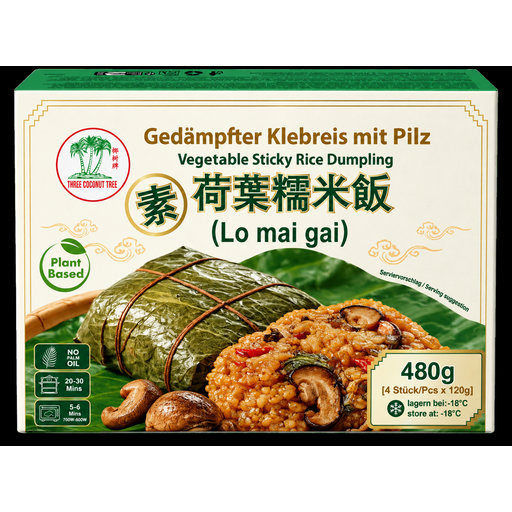
Why this choice suits this profile: At 480 g split into four 120 g portions, this product is perfect for a first taste of vegetarian bites or a meat-free lunch.
The product page details a composition of sticky rice, mushrooms and vegetables, as well as the number of portions. So there's no chance of getting the format wrong.
A recipe stated as 100% plant-based and palm oil-free according to the product page, with a leaf wrapper and separate portions.
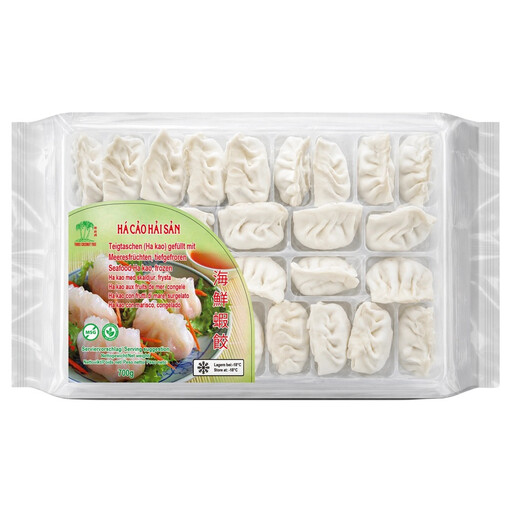
Why this choice suits this profile: This product is aimed at dim sum lovers looking for a seafood filling and hassle-free steaming.
The composition separately lists the proportions of prawns, squid and fish paste. This transparency is useful for making a real comparison between different recipes.
700 g, including 32% prawns, 15% squid and 10% fish; steaming is recommended.
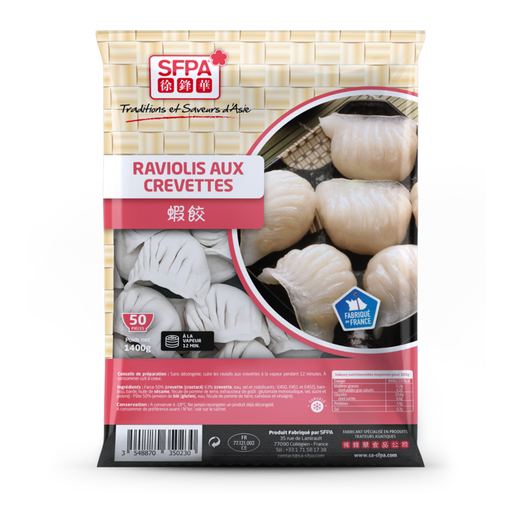
Why this choice suits this profile: This large pack is ideal for group meals, buffets, or regular stockpiling of frozen dim sum.
The number of pieces and total weight are clearly stated, making it easy to plan quantities for a party or a large family.
50 pieces for 1.4 kg, a prawn filling, and cooking straight from frozen according to the instructions provided.
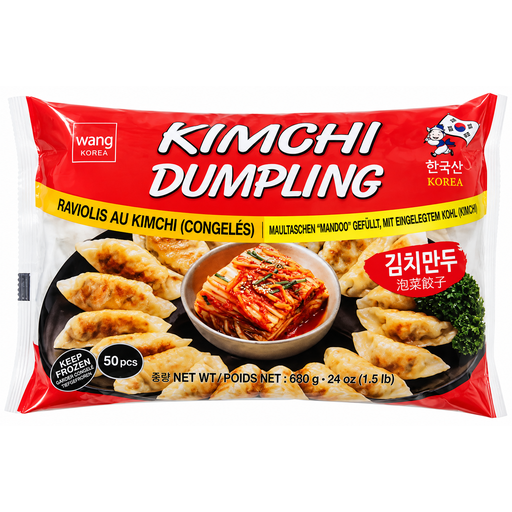
Why this choice suits this profile: These Korean mandu offer a change from traditional gyoza with a kimchi filling that is both spicy and tangy.
The presence of kimchi and the declared allergens are detailed. The different cooking methods also allow you to vary your preparations.
A 675 g bag, with preparation possible by steaming, boiling, pan-frying or deep-frying according to the product page.
We've put together a comprehensive, real-time updated selection of products that meet these demanding criteria and comply with European safety regulations.
In most cases, you cook them straight from frozen. Wontons can be dropped into boiling water or soup, while ha kao are usually steamed. For gyoza and some mandu, pan-frying with a little water gives you both a golden base and perfectly cooked dough. Always check the cooking time on the packaging.
Store them at –18 °C or below, until the best-before date shown. Avoid repeated temperature changes and put the bag back in the freezer quickly after taking out the amount you need. A thawed product must never be refrozen.
Look for a composition that is explicitly plant-based and check the allergens. The TCT Vegetable Sticky Rice Dumpling is presented as a 100% plant-based recipe with mushrooms and vegetables. For other products, the presence of tofu or vegetables isn't always enough: only the full ingredients list lets you verify the composition.