
Livraison le jour même ou le lendemain

Qualité garantie

Débloquez vos offres de bienvenue: Livraison GRATUITE | Jusqu'à -80 % | 30 jours d'essai gratuits à JoyPlus
Téléchargez l'application
Autumn is setting in and the first morning frosts are making a comeback—a period often dreaded by gardeners. How can you ensure your ornamental plants, fragile shrubs, or the last vegetables in your patch make it through the winter unscathed? To prevent damage from cold, wind, and frost, choosing the right protection isn't an option; it's a necessity.
This comprehensive guide explains everything you need to know about winter plant protection solutions. We'll review the essential criteria for making the right choice and present our selection of the best products to prepare your garden for the cold season.
The market is filled with options, from a simple frost blanket to a more technical forcing film. To make sense of it all, you just need to focus on a few key criteria.
Expressed in grams per square meter (g/m?), the weight indicates the thickness and density of the fleece. It's the number one factor for assessing its level of frost protection.
The term frost protection cover is often used as a catch-all. In reality, it refers to very different products.
Good winter protection shouldn't suffocate the plant. Air permeability is crucial to prevent condensation, which can freeze on contact with the fleece and burn the foliage! Water permeability, on the other hand, allows for moderate watering or lets the rain do its job. Non-woven fleeces and micro-perforated films offer this decisive advantage.
To help you make an informed decision, here is our selection of effective products, suitable for various needs in the garden and vegetable patch.
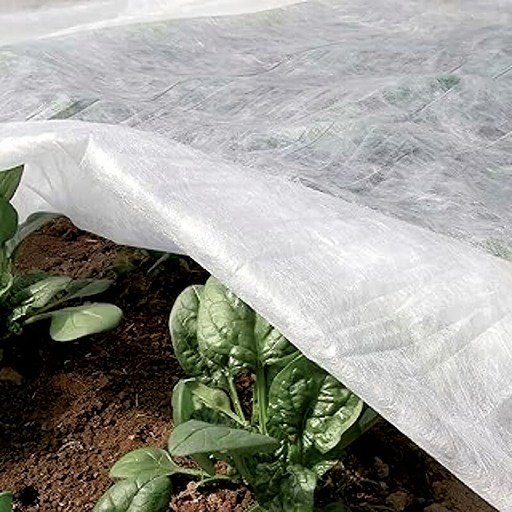
Key Features This non-woven polypropylene fleece stands out with its 30?g/m? weight, the ideal compromise between good thermal insulation and optimal light transmission. Thanks to its UV treatment, it is reusable for several seasons without degrading. Its air and water-permeable texture prevents the risk of rot and thermal shock.
Benefits
Who is it for? For gardeners looking for a versatile and reliable solution for winter plant protection. It is equally suitable for directly covering vegetable patch crops or for wrapping sensitive potted plants, such as lemon trees.

Key Features This transparent polyethylene protection film creates a true microclimate for your crops. Completely waterproof, it effectively protects young shoots and developing fruits from bad weather, strong winds, and frost. It is particularly well-suited for installation over hoops to form a grow tunnel.
Benefits
Who is it for? For gardeners who want to extend their harvest season or give their early seedlings a boost. It's a prime choice for tunnel cultivation. Note: manual ventilation is essential to prevent overheating.
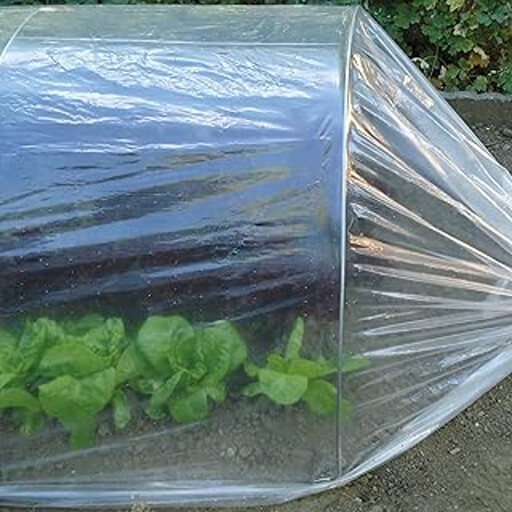
Key Features The best of both worlds! This transparent forcing film combines the benefits of a plastic film and a breathable fleece thanks to its micro-perforations. It creates a microclimate conducive to growth while allowing air circulation, which limits condensation and the risk of disease.
Benefits
Who is it for? Perfect for those who want the greenhouse effect of a plastic film without the chore of manual ventilation. It is very effective when laid directly over crops or on supports.
Our selection highlights versatile solutions, but every garden has specific needs. If you're looking for a winter plant cover for a large shrub, a fleece with a different weight, or fastening accessories, other options are available.
? Discover our full range of garden frost protection products
1. When should you install a frost blanket? Install your fleece as soon as nighttime temperatures regularly dip towards 0 to 5?°C. Above all, don't wait for the first hard frost to act! In autumn, it can help prolong the ripening of your last vegetables.
2. Can you leave a frost blanket on all winter? Yes, provided you choose a model that is permeable to air and light, like a non-woven fleece. However, remember to lift it on mild, sunny days to ventilate your plants and check their condition. For non-perforated films, daily ventilation is non-negotiable to prevent condensation and overheating.
3. What's the difference between a P17 and a P30 fleece? These codes simply refer to the weight of the fleece: 17?g/m? and 30?g/m?. A lighter P17 fleece protects against light white frosts (-1/-2?°C). A more robust P30 fleece, like the Tenax Ortoclima Plus, can withstand more significant frosts (down to -5?°C). It's the safer choice for most regions.