
Livraison le jour même ou le lendemain

Qualité garantie

Débloquez vos offres de bienvenue: Livraison GRATUITE | Jusqu'à -80 % | 30 jours d'essai gratuits à JoyPlus
Téléchargez l'application
A parking lot collision, a hit-and-run, a simple traffic incident? Without video proof, it's difficult to defend your rights. This is where the in-car camera, or dashcam, comes in—a device that is winning over more and more drivers. A front and rear 4K model records everything happening around your vehicle with stunning clarity, day or night.
But with an overwhelming number of options on the market, how do you navigate them all? This guide breaks down the key criteria and presents our selection of the best models to help you make the right choice.
To get usable footage in all conditions, several technical points deserve your attention.
Resolution is the name of the game for capturing sharp details. A 4K dash cam (3840 x 2160 pixels) can capture images precise enough to read a license plate from a distance or identify a crucial detail, day or night. For fast-moving scenes, a dash cam that records at 60?fps (frames per second) ensures perfectly smooth video without motion blur. This is a decisive advantage during a sudden incident on the motorway.
Incidents don't only happen during the day. The camera's ability to film in low-light conditions is therefore a critical factor. Models equipped with state-of-the-art image sensors, like the renowned Sony STARVIS, are specially designed to offer increased sensitivity and reduce digital noise in near-darkness. HDR (High Dynamic Range) technology is another undeniable advantage: it balances strong contrasts, such as when exiting a tunnel or facing the blinding headlights of an oncoming car.
Beyond simple video recording, certain features provide extra peace of mind.
Here is a dash cam model that ticks all the boxes for demanding drivers, along with some smart tools for car and high-tech enthusiasts.
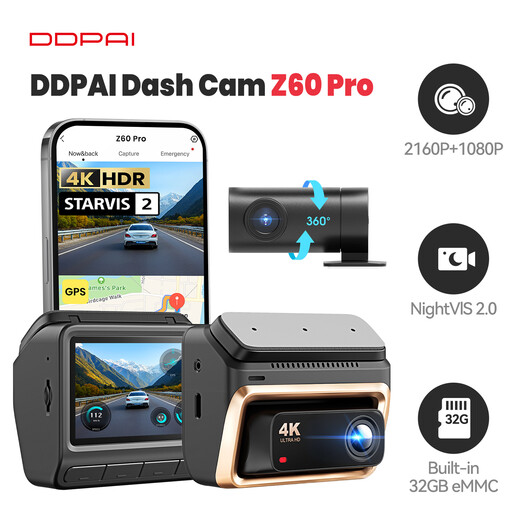
Why It Stands Out
This dual-lens dash cam is built for performance. It combines a 4K front camera and a 1080p rear camera, both equipped with renowned Sony sensors. The front sensor is a Sony STARVIS 2 IMX678, a benchmark for night vision, while HDR technology is active on both cameras for a perfectly exposed image in all conditions. The ability to record in 3K at 60?fps offers stunningly smooth footage, ideal for fast-paced motorway scenes.
Advantages
Who Is It For?
For drivers who want a comprehensive, high-performance solution to secure their journeys. Its top-tier image quality and advanced features make it a sound choice for those who refuse to compromise on video evidence, whether for daily driving or professional use (ride-hailing, delivery drivers, etc.).
For mechanics enthusiasts or content creators, other types of cameras can be very useful. Please note, the following products are not dash cams.
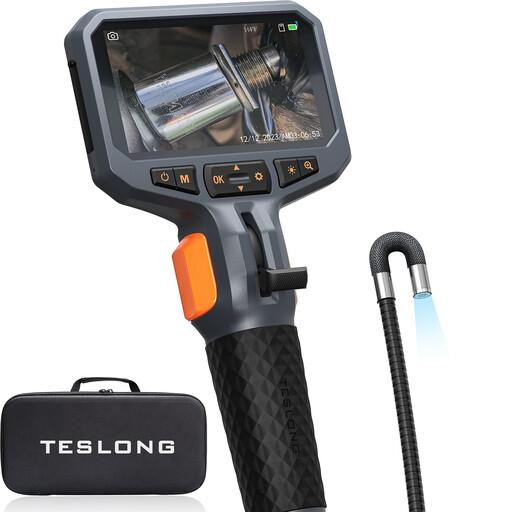
Why It Stands Out
This endoscope is the perfect tool for exploring the most inaccessible corners of an engine or chassis. Its 210-degree articulating probe allows you to inspect the inside of cylinders or engine components without taking everything apart.
Advantages
Who Is It For?
For mechanics (amateur or pro) and enthusiasts who love to get their hands dirty with car maintenance and diagnostics.
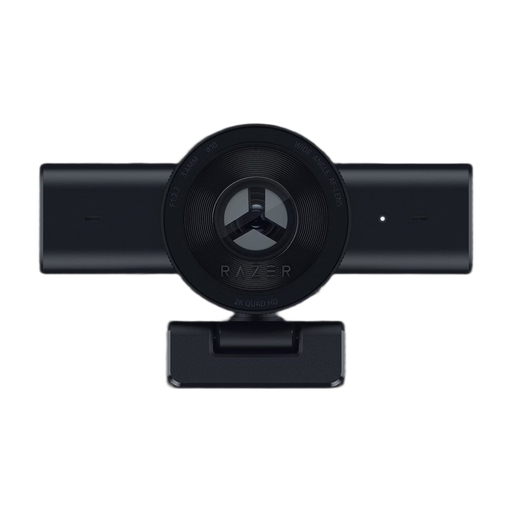
Why It Stands Out
Although it's a webcam designed for streaming, its image quality (1080p at 60?fps) and responsive autofocus make it a great ally for those who shoot videos from inside their car (vlogs, tutorials, etc.).
Advantages
Who Is It For?
For content creators, vloggers, and anyone who needs flawless video for filming themselves in their car.
If these products don't exactly match your needs or if you're looking for complementary equipment, other options exist. To fine-tune your setup, you might need specific accessories.
? Discover our selection of accessories for lenses and cameras and find the perfect mount, filter, or add-on for your gear.
1. Is a front and rear dash cam legal in the UK? Yes, the use of an in-car camera is perfectly legal in the UK for private use. Recordings can be used as evidence in the event of an accident, both with your insurance company and with law enforcement. However, be careful: sharing this footage on the internet or social media is strictly regulated. To respect image rights and privacy, you must blur people's faces and license plates.
2. How does 24h parking mode work? The 24h parking mode relies on an accelerometer (or G-sensor) that detects impacts, or sometimes on motion detection. When an incident is detected while your car is parked, the camera wakes from sleep mode to record a short video clip, which is automatically locked to prevent it from being overwritten. To work, this feature needs a permanent power supply. This is provided by a dedicated hardwire kit that connects to the vehicle's fuse box. This kit is smart: it cuts off the power if the battery voltage drops too low, to avoid completely draining it and ensure you can still start your car.
3. Is 4K really essential for a dash cam? While 1080p (Full HD) can be sufficient for basic use, 4K offers a decisive advantage in detail. It drastically increases your chances of being able to read a distant license plate or one in difficult conditions (rain, low light). For drivers who want irrefutable video evidence, the investment in a 4K dash cam is fully justified.