
Livraison le jour même ou le lendemain

Qualité garantie

Débloquez vos offres de bienvenue: Livraison GRATUITE | Jusqu'à -80 % | 30 jours d'essai gratuits à JoyPlus
Téléchargez l'application
A front-loading washing machine can serve you well for many years, provided you choose a capacity, depth and set of features that suit your habits. The price difference isn’t just down to the brand or the number of programmes – some criteria have a direct impact on ease of use, energy consumption and drying time.
Before comparing 8 kg, 9 kg, 10 kg or 11 kg models, take the time to avoid a few common pitfalls.
A 10 kg or 11 kg drum doesn’t automatically lower your consumption. If you mostly wash small loads, a large-capacity machine may regularly run with a half-empty drum. For a single person or a couple, a 7 to 8 kg model is usually sufficient. A family with children, household linen or bulky duvets will benefit more from a 9 kg, 10 kg or even 11 kg washing machine.
A washing machine with 1,400 rpm generally extracts more water than a slower model. That said, the spin efficiency class and noise level matter just as much. A machine advertised at 1,600 rpm may be deeper, noisier and more expensive. It’s better to examine the full specification sheet rather than focusing on a single figure.
Steam, Wi-Fi, AutoDose or automatic programmes can make daily life easier, but their usefulness depends on your habits. A connected washing machine only makes sense if you genuinely plan to monitor your cycles remotely. Similarly, steam can freshen certain garments and reduce creasing, but it doesn’t replace a proper wash cycle nor guarantee any medical or disinfectant action.
Measure the space intended for the machine, the width of doorways and the clearance needed for the door to open. Depth can vary noticeably from one model to another, particularly depending on drum volume. The Hisense WF5I8043BWF, for example, has a stated depth of 47 cm for an 8 kg capacity, while some 10 kg models exceed 60 cm.
Some useful benchmarks:
Never exceed the maximum load stated by the manufacturer. An overfilled drum washes less effectively and can cause more vibration.
The European energy label uses a scale from A to G. An A-rated washing machine generally uses less electricity than a lower-rated appliance. To compare models, however, look at the precise figures in kWh per 100 cycles, as well as the water consumption per cycle.
As a guide, the specification sheets provided show:
These figures vary depending on the programme, load and temperature selected. The eco programme often lasts several hours – a longer cycle doesn’t necessarily mean higher consumption.
To choose a quiet washing machine, check the stated noise level in decibels during the spin cycle. Models around 72 dB are generally easier to live with in a flat than a machine rated at 78 or 80 dB, especially if you run your laundry overnight.
Many manufacturers highlight inverter or induction motors, which are said to offer controlled consumption and smoother operation. It’s still essential to check the official noise level, warranty period and availability of spare parts.
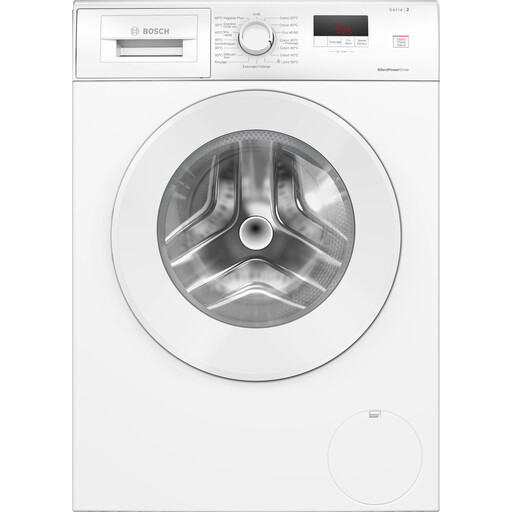
Why this suits this profile: Its 7 kg capacity is ideal for smaller households, while its size fits fairly easily into a standard utility room.
It avoids choosing an oversized machine and offers an A energy rating with automatic load detection.
15 programmes, spin up to 1,400 rpm, EcoSilence Drive motor and SpeedPerfect function.
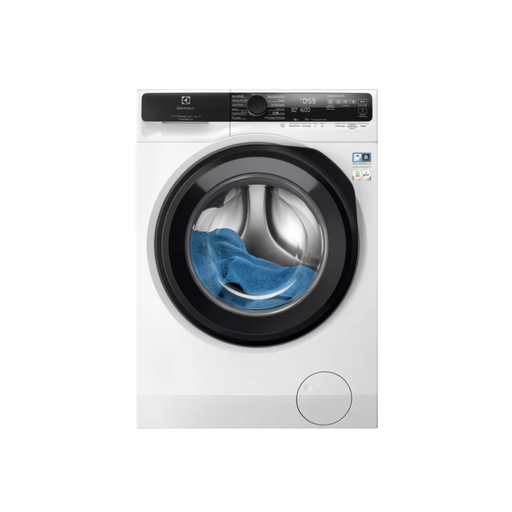
Why this suits this profile: This model combines steam care, Wi-Fi connectivity and a spin speed of up to 1,600 rpm for users who want plenty of settings.
The features offered are clearly identified: steam refresh, quick programme and tracking app. The choice isn’t based on a simple marketing claim.
9 kg capacity, A rating, 44 kWh/100 cycles, stated noise level of 72 dB and Wi-Fi compatible with My Electrolux Care.
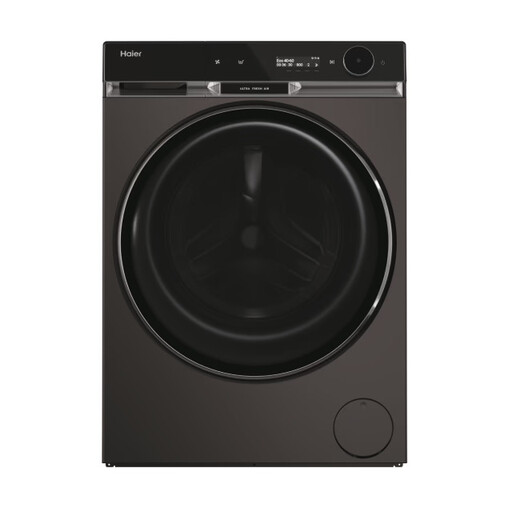
Why this suits this profile: Its 10 kg capacity, AutoDose system and steam functions suit households that do lots of laundry and want to minimise handling.
Its large capacity comes with precise data on water, energy and noise, allowing you to compare models properly.
A rating, 1,400 rpm, stated 68 dB during spin, AutoDose, Wi-Fi, steam programme and direct drive motor.
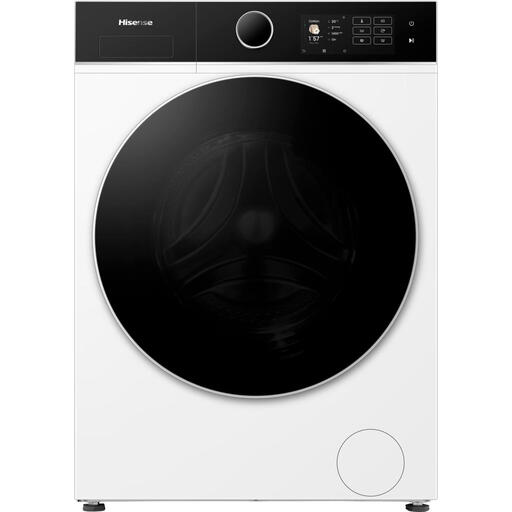
Why this suits this profile: With a stated depth of 47 cm, this model fits more easily into a flat or narrow utility room, while still offering an 8 kg capacity.
It lets you check the dimensions before buying and combines steam, an anti-allergy programme and a quick wash in a compact format.
A rating, stated 33 kWh/100 cycles, 72 dB, Wi-Fi, steam function, anti-allergy programme and 1,400 rpm spin.
Always remove the transit bolts before first use. Then place the machine on a stable floor and adjust its feet to minimise vibration. Plug it into an earthed socket, without using an extension lead or multi-socket adapter, and follow the manufacturer’s recommendations for the water supply and drainage.
To extend the life of your front-loading washing machine:
An 8 kg washing machine is generally suitable for a couple or a small family. If you run the machine less often, regularly wash bedding or need to handle bulky items, a 9 to 10 kg model will give you more leeway. The capacity should mainly be consistent with how often you do laundry.
Steam can freshen certain garments and reduce creasing, depending on the programme used. Results vary from model to model, as well as by fabric and load size. This function doesn’t replace care recommendations and doesn’t constitute a medical guarantee.
The cost depends on the price of electricity, the number of cycles run, the temperature and the programme selected. To estimate it, multiply the consumption stated in kWh/100 cycles by the price per kWh, then divide the result by 100. Then add the cost of water, calculated according to your local supplier’s rate.