Start by measuring the space and estimating the size of your usual dry laundry loads. A top-loader is often the best fit when width is limited, while a front-loader can be installed under a worktop or, with the right equipment, stacked with a tumble dryer. Then choose a capacity you’ll actually use and compare washing, rinsing, spin performance, noise and energy use separately: the energy rating doesn’t tell you everything.
Who is this choice for?
Households short on space
If your machine needs to fit into a narrow room, measure the space needed to open the lid or door and reach the connections too. UFC-Que Choisir notes that the space available often determines whether a top-loader or front-loader is the better choice.
Households with frequent large loads
If you often wash bedding, towels or children’s clothes, match the capacity to the loads you actually do and the programmes you use. ADEME recommends choosing a capacity to suit your needs rather than automatically opting for a large drum.
Households focused on results and noise
If rinsing, spin performance or noise matters a lot in your day-to-day life, check these factors for each model. UFC-Que Choisir’s tests assess washing and rinsing results separately from the information shown on the energy label.
Which criteria should you prioritise?
Top-loader
Consider one: if width is limited or loading from above is important; UFC-Que Choisir says top-loaders are generally between 40 and 46 cm wide.
Bear in mind: you’ll need enough clearance above the machine to open the lid, and the capacity must suit your needs.
Front-loader
Consider one: for installation under a worktop, a capacity suited to large loads, or stacking with a front-loading tumble dryer using a suitable stacking kit.
Bear in mind: leave enough room in front of the machine to open the door, and check its depth, including the connections.
| Criterion |
What to check |
Who is it for? |
| Space and access |
Measure the width and depth, then check the clearance in front of the door or above the lid. Make sure there’s room to access the pipes too. |
In a small room, I need to be able to install the machine and open it easily without compromising on the capacity I need. Around 31% of consumers put this first. |
| Results and ease of use |
Check comparable washing and rinsing test results. Also compare spin performance, noise and the duration of the reference cycle. |
If I dry clothes indoors or the machine is near a living area, the cycle results and noise matter just as much as the specifications shown. This is the top priority for around 38% of consumers. |
| Capacity, resources and durability |
Match the kilograms of dry laundry to your usual loads. On the energy label, compare electricity use per 100 cycles and water use per cycle. In France, also check the applicable durability index. |
I want to avoid a drum that’s too small for my frequent washes or too large for my usual loads, while keeping an eye on resource use. This is a priority for around 31% of consumers. |
Mistakes to avoid
-
Assuming a larger capacity will always save resources
A large drum may often be used for loads that don’t fill it, while a drum that’s too small could mean you need to run more cycles. UFC-Que Choisir recommends choosing a capacity that suits the laundry you actually wash.
Estimate the size of your dry loads, including bedding and towels, then compare the consumption figures for machines with a similar capacity. Also check the maximum load allowed by the programmes you plan to use.
-
Comparing top-loaders and front-loaders without checking how they open
A machine may fit into its space but still leave too little room to open the lid or door comfortably.
Before ordering, measure the alcove, access routes, opening clearance and space needed for the pipes. Then choose the loading style that works best in the room.
-
Assuming the energy rating tells you how well a machine rinses
The energy rating alone doesn’t tell you how well a machine washes or rinses. UFC-Que Choisir assesses these results separately in its tests.
Use the label to compare energy and water consumption, cycle duration, spin performance and noise. If washing or rinsing is a deciding factor for you, check comparable test results too.
-
Looking only at the old repairability index
In France, the durability index is gradually replacing the repairability index for washing machines from 8 April 2025, according to the ministry responsible for the ecological transition.
When choosing between similar new machines, check the durability score out of 10 and the information provided about maintenance and spare parts.
Washing machine brands to know
There are no brand introductions to display in this section.
Washing machines for your needs
This selection includes front-loaders in different capacities and a top-loader for narrower spaces. Check that each machine will fit your available space and that its capacity suits your usual loads. The stated specifications are no substitute for washing and rinsing tests.
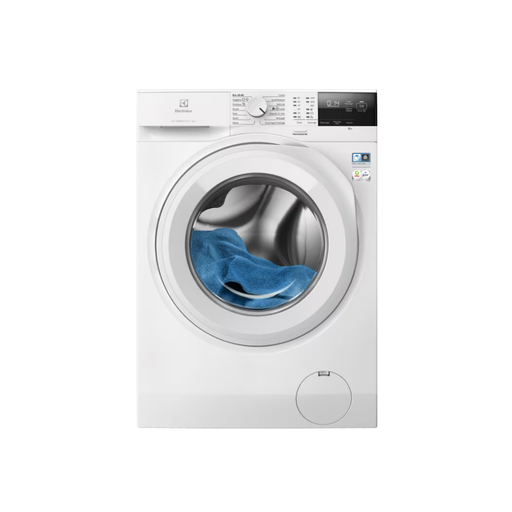 Image unavailable
Electrolux EW6FI4805AW, 8 kg, Steam Hygiene and SensiCare
Worth considering if your usual loads are a good match for an 8 kg capacity. The model title lists a spin speed of 1,400 tr/min. Check the space in front of the door, and look at comparable test results if rinsing is a priority.
View on Joybuy
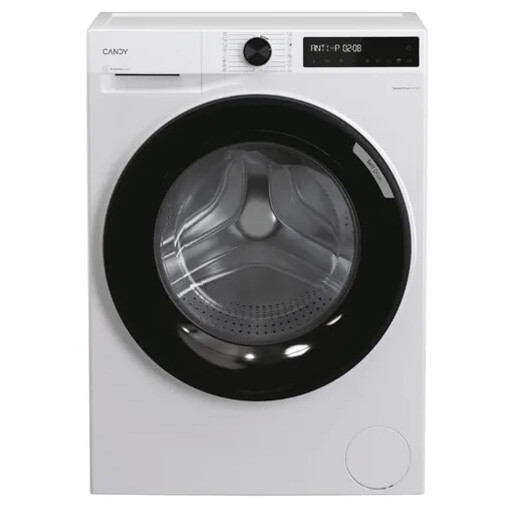 Image unavailable
Candy BR 411BL9-S, 11 kg front-loader
Consider this model if you regularly wash large loads: it has a stated capacity of 11 kg. If your loads are usually small, check that a drum of this size suits your needs. Also measure the clearance needed to open the door.
View on Joybuy
 Image unavailable
Haier X Series 11 HW100-BD14397PGU1, 10 kg
This 10 kg model is worth comparing if you regularly wash large loads. Its title lists a spin speed of 1,400 tr/min, as well as AutoDose and Wi-Fi. Check how much space you’ll need for installation.
View on Joybuy
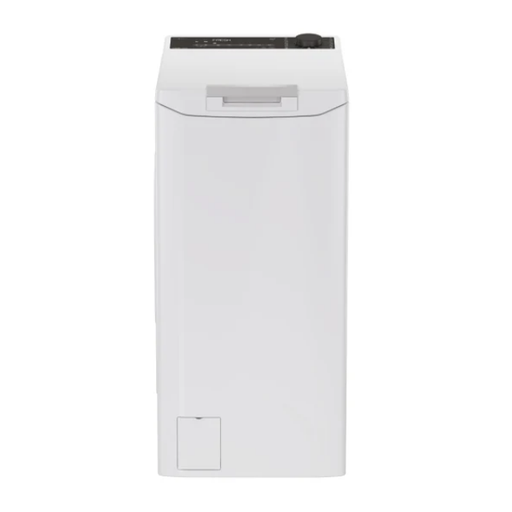 Image unavailable
Haier T Series 7 THASN276TM6-S, 7 kg top-loader
Loading from above could be a good fit if width is limited and a 7 kg capacity suits your laundry. The title lists a spin speed of 1,200 tr/min. Measure the space needed to open the lid fully.
View on Joybuy
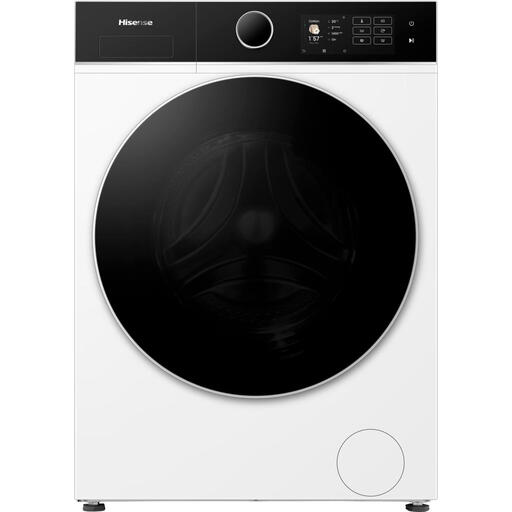 Image unavailable
Hisense WF5I8043BWF, 8 kg front-loader
Another 8 kg front-loader to compare if this capacity suits your usual loads. The title lists a spin speed of 1,400 tr/min. If your space is shallow, remember to allow for the pipes and the door opening too.
View on Joybuy
Frequently asked questions
What should I compare on a washing machine’s energy label?
As well as the A to G rating, compare electricity use per 100 cycles, water use per cycle, the duration of the reference programme and noise levels. The European Commission sets out this information for washing machines. Ideally, compare machines of a similar type and capacity.
Can an 8 kg washing machine take 8 kg on every programme?
No. The stated capacity refers to dry laundry on the reference programme, while other programmes may allow a smaller load. Check the model’s manual for the limit that applies to each programme.
Which index should I check for a new washing machine in France?
Check the durability index out of 10 where it applies to the model. According to the ministry responsible for the ecological transition, it has been gradually replacing the repairability index for washing machines since 8 April 2025. It complements, rather than replaces, washing performance and energy and water consumption criteria.
What should I check about repairs before buying?
Check the applicable durability index, the maintenance information and the stated availability of spare parts for the model you’re considering. Check the seller’s warranty terms separately, as these are not the same as the index.


