What should you check before choosing?
First decide how much space you need for fresh and frozen food, then compare models that suit your kitchen and the way you like to organise your food.
Fridge-freezer
Worth considering: if fresh and frozen food regularly feature in your shopping.
The trade-off: some of the capacity is set aside for freezing, so check that there’s still enough fridge space for your meals.
One-door fridge
Worth considering: if you prioritise fridge storage and already have another way to store frozen food when you need to.
The trade-off: check the exact layout. A one-door design doesn’t necessarily include freezer space that suits your needs.
Small freezer compartment
Worth considering: if you only need to freeze a small amount of food and fridge space is your priority.
The trade-off: check the compartment’s capacity and storage conditions before relying on it for your usual frozen food.
| What to consider |
What to check |
Think about your needs |
| Temperature |
Find the coldest part of the fridge and check how you can measure its temperature. Anses recommends 0 to +4 °C in this area; the temperature shown on the settings alone isn’t a measurement. |
I store fresh food and home-cooked meals, so I want to be able to check the temperature where it matters, using the appliance’s display or a thermometer. |
| Capacity |
Compare fridge and freezer capacities separately, then look at the layout of the shelves and drawers. UFC-Que Choisir suggests 100 to 150 L for one person, plus 50 L for each additional person, as a general guide; adjust this to suit your shopping habits. |
I need my meal containers to fit without squashing the food. If I often buy frozen food, I’ll also check how much space is actually available for it. |
| Energy use |
For appliances of a similar size and capacity, check the A to G energy rating and the stated annual energy consumption. The European Commission explains this scale on the energy label; ADEME notes that an appliance’s size and extra features can affect its energy use, even though it runs continuously. |
I’d rather compare capacities that suit my shopping than choose extra space or features I won’t use. |
| Cooling features |
Check which compartment uses features such as fan-assisted cooling, No Frost or a particular drawer. Read the specifications for the exact model and check the temperature during use: an advertised feature alone doesn’t prove the results you’ll get. |
If I store food that needs extra care, I want to know where to put it and how to check the temperature, whatever technology the product listing mentions. |
| Installation |
Measure the space and the route into your kitchen. Check whether the model is freestanding or built-in, the required niche dimensions if applicable, the door opening direction, the recommended clearances and the stated noise level. |
The door needs to open and my containers must be easy to reach once the appliance is installed, without getting in the way of my kitchen layout. |
A few examples from leading brands
These examples show configurations you can compare; a feature of one model doesn’t necessarily apply to every appliance from the same brand.
Bosch
The KGN39AIAU is an example of a freestanding fridge-freezer featured by Bosch Electroménager France.
- Bosch says its Metal Backwall system with Multi Airflow helps circulate cold air in this model.
- This claim doesn’t remove the need to check the temperature in the coldest part or make sure there’s enough room for installation.
Electrolux
The ENT6TE18S is an example of the brand’s built-in fridge-freezers, where your choice will also depend on the dimensions of the niche.
- Electrolux describes DynamicAir as a system designed to maintain a stable temperature in this model.
- Before choosing this feature, check that the appliance will fit your kitchen and monitor the temperature while it’s in use.
Liebherr
The range mentioned includes a one-door fridge and a fridge-freezer, with different amounts of freezer space to suit different needs.
- For the relevant fridge-freezer, Liebherr says its EasyFresh compartment maintains higher humidity thanks to its airtight seal.
- Check the exact model, its dimensions and how much room it offers for fresh and frozen food. This claim isn’t an independent measure of food storage performance.
Fridges and models with an integrated freezer on Joybuy
This selection includes fridge-freezers in different sizes and a built-in model with a small freezer compartment. For each one, compare the stated capacity with your needs for fresh and frozen food, then check the temperature during use.
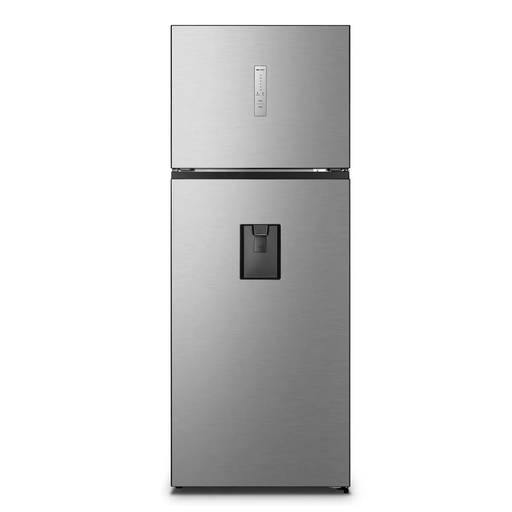 Image unavailable
Hisense FTN461WCE1, 467 L fridge-freezer
If your shopping includes both fresh and frozen food, compare the space available in each compartment. Stated total capacity of 467 L, E energy rating and Total No Frost technology; check the dimensions and the temperature in the coldest part during use.
View on Joybuy
 Image unavailable
Haier HTW5618ENMG, 360 L three-door fridge-freezer
A three-door design could suit you if you want to organise fresh and frozen food separately; take a look at the layout inside. Stated total capacity of 360 L, E energy rating, Total No Frost and Wi-Fi. Check the actual temperature in the coldest part.
View on Joybuy
 Image unavailable
Candy CFQQ5T817EPS, 467 L four-door fridge-freezer
If you’re considering a multi-door appliance for regular shopping, first check that it will fit through to your kitchen and that there’s room for the doors to open. Stated total capacity of 467 L, E energy rating and Total No Frost; measure the temperature in the coldest part during use.
View on Joybuy
 Image unavailable
CHiQ JR263LGE, 262 L fridge-freezer
If kitchen width is a key consideration, check whether the stated width of 54 cm leaves enough clearance. Total capacity of 262 L, stated height of 176 cm and Low Frost technology; compare the space allocated to each compartment and check the actual temperature.
View on Joybuy
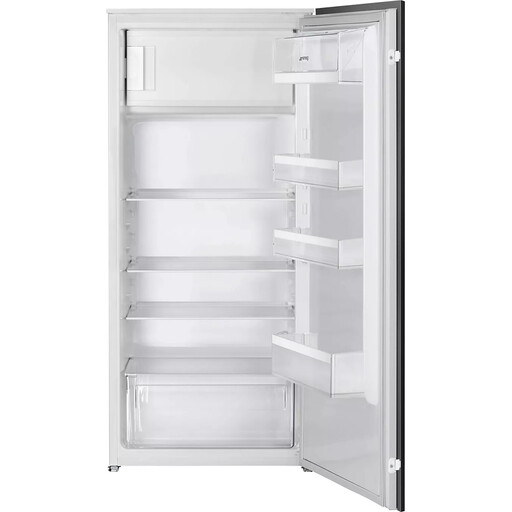 Image unavailable
SMEG S4C122E, 188 L built-in one-door fridge
This model has a top freezer compartment and is designed for built-in installation. Check the niche, door fixing system and the space available for frozen food. Stated total capacity of 188 L and E energy rating; also check the temperature in the coldest part.
View on Joybuy
Frequently asked questions
What temperature should you check in a fridge?
Anses recommends a temperature of 0 to +4 °C in the coldest part of the fridge. Check it regularly in that area using the appliance’s display or a suitable thermometer; the temperature selected on the control doesn’t tell you the actual temperature.
Does fan-assisted or ventilated cooling guarantee the right temperature?
No. An advertised technology doesn’t remove the need to check the temperature in the appliance you’re using. UFC-Que Choisir describes these systems as helping to distribute cold air; check which compartment the feature applies to in the product specifications, then measure the temperature in the coldest part, as Anses recommends.
How do you choose a fridge’s capacity?
Start with the number of people in your household and what you actually store. UFC-Que Choisir suggests 100 to 150 L for one person and 50 L for each additional person as a general guide. Adjust this to suit your containers, how often you shop and how much freezer space you need; Anses recommends not overfilling the fridge compartment.
How do you compare the energy use of two models?
Compare appliances of a similar size and capacity, using their A to G energy ratings and stated annual energy consumption. The European Commission says the QR code on the label gives you access to the model’s information in EPREL. Also consider how much capacity you need: ADEME points out that fridges run continuously.
What should you check before buying a built-in model?
Measure the niche and check the door fixing system, opening direction and installation instructions for the exact model. These details affect how well the appliance fits in your kitchen; dimensions for a different built-in model aren’t interchangeable.


