For compact kitchens
Measure the available height, width and depth, as well as the space in front of the door. The ventilation needed depends on the model and how it is installed, so check the manual before deciding where to put it.


If space is very limited and you rarely freeze food, consider a small fridge with a freezer compartment. If you want to store chilled and frozen food in one appliance, compare fridge freezers. Two separate appliances are better suited to households that need plenty of freezer space, provided you have two suitable spots for them. Whatever you choose, check the depth, door clearance and ventilation, then compare the capacity of each compartment, the stated energy consumption and the noise level of the specific model.
The right size depends as much on the space you have as on how much fresh and frozen food you need to store.
Measure the available height, width and depth, as well as the space in front of the door. The ventilation needed depends on the model and how it is installed, so check the manual before deciding where to put it.
A fridge freezer combines refrigeration and freezing in one tall appliance. For example, Bosch lists 218 L of fridge space and 103 L of freezer space for its KGN362WDF. Check that this split suits your habits rather than relying on the total capacity alone.
A fridge paired with a separate freezer gives you more space for each purpose. However, this setup requires two suitable locations, with the necessary ventilation and room to open the doors of both appliances.
First decide whether your kitchen can accommodate a small appliance, a tall fridge freezer or two separate appliances. Then compare the features of models that fit the available space.
Consider this if: there isn’t room for a tall appliance and you store only a small amount of frozen food.
The trade-off: check that both the fridge and freezer compartment have enough capacity for your needs.
Consider this if: you want chilled and frozen food in one tall appliance.
The trade-off: its height and depth may limit where it can go in a compact kitchen.
Consider this if: you need plenty of freezer space and have room for two appliances.
The trade-off: you’ll need to check both installation requirements and compare the stated energy consumption of both appliances.
| Factor | What to check | Your needs |
|---|---|---|
| Location | Compare the overall height, width and depth with the space available. Check the door clearance and the ventilation gaps specified for the model and type of installation. | I want to be able to open the door without blocking the walkway or obstructing nearby furniture. |
| Usable capacity | Check the fridge and freezer capacities separately; for a single-door model, make sure it has a freezer compartment. | Do I need more room for fresh food than frozen food, or do I need a large freezer compartment? |
| Energy and noise | Compare the energy rating, stated kWh/year and noise level of the specific models. Check the defrosting system separately. | Noise matters to me in an open-plan kitchen, and I also want to compare the energy consumption of appliances that will be running continuously. |
| Built-in installation | Check the cabinet dimensions, ventilation, fixings and door panel requirements in the manual. | If I already have a kitchen unit, I need to know whether the appliance and its door will actually fit. |
Too much depth, a cupboard above the appliance or a door that can’t open fully could make the space unusable. For example, Bosch lists an overall depth of 665 mm for its KGN362WDF fridge freezer.
Measure the appliance space and access route in every direction, then compare your measurements with the installation manual for the model you’re considering.
Fridge capacity can’t make up for a lack of freezer space. For example, Bosch lists 218 L and 103 L for the two compartments in its KGN362WDF.
Work out how much space you need for fresh and frozen food separately, then compare the corresponding usable capacities.
A No Frost function or a larger capacity doesn’t, on its own, tell you a model’s annual energy consumption.
For the appliances you’re considering, compare the kWh/year and energy rating on the label, along with the usable capacity you need.
Cabinet dimensions, fixings and door panels depend on the installation, so a built-in appliance won’t necessarily fit in place of a freestanding one.
Check the manual and what’s included in the installation service before choosing a model.
Electrolux says its installation service doesn’t include carpentry or door-panel work. If your kitchen unit needs either, arrange for this work separately.
These examples illustrate different formats and installation requirements; their features don’t apply to every appliance from the same brand.
Worth considering for a compact space: the TSE1284N table-top fridge.
Models to consider when weighing up a fridge freezer against two separate appliances.
The SP408102FR built-in fridge freezer is worth considering if you already have a kitchen unit.
The EXB3AE82R is an under-counter built-in fridge to consider if you have a suitable kitchen unit.
These models combine refrigeration and freezing in one appliance. Compare their stated capacities and features, then check the dimensions and installation instructions for the model you choose.
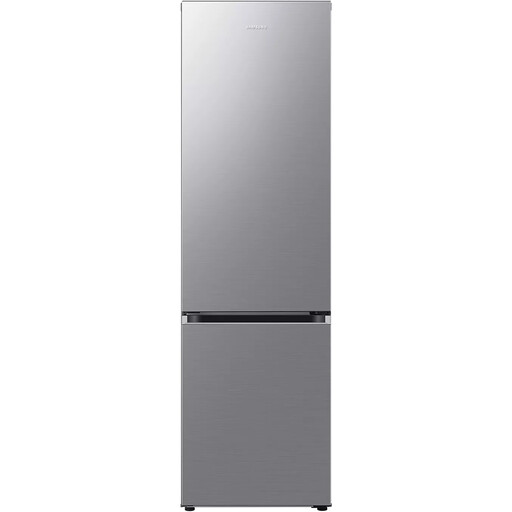 Image unavailable
A fridge freezer to consider if you want chilled and frozen food in one appliance. The model name indicates a capacity of 390 L and an energy rating of C. Check the capacity of each compartment, door clearance and ventilation gaps before installation.
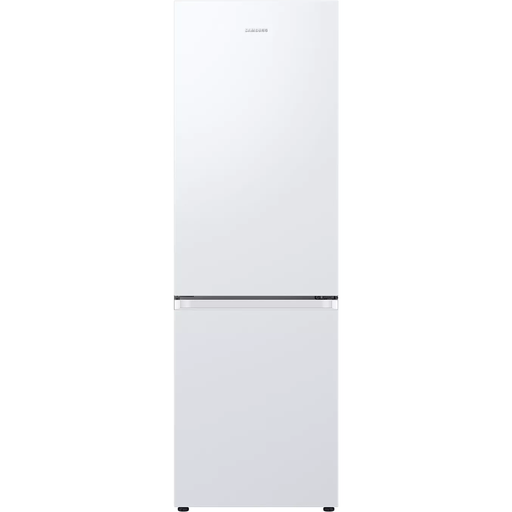 Image unavailable
This fridge freezer is an option if you want one appliance for chilled and frozen food. The model name indicates a capacity of 390 L and an energy rating of E. Compare the capacity of each compartment and allow enough room for the door and ventilation.
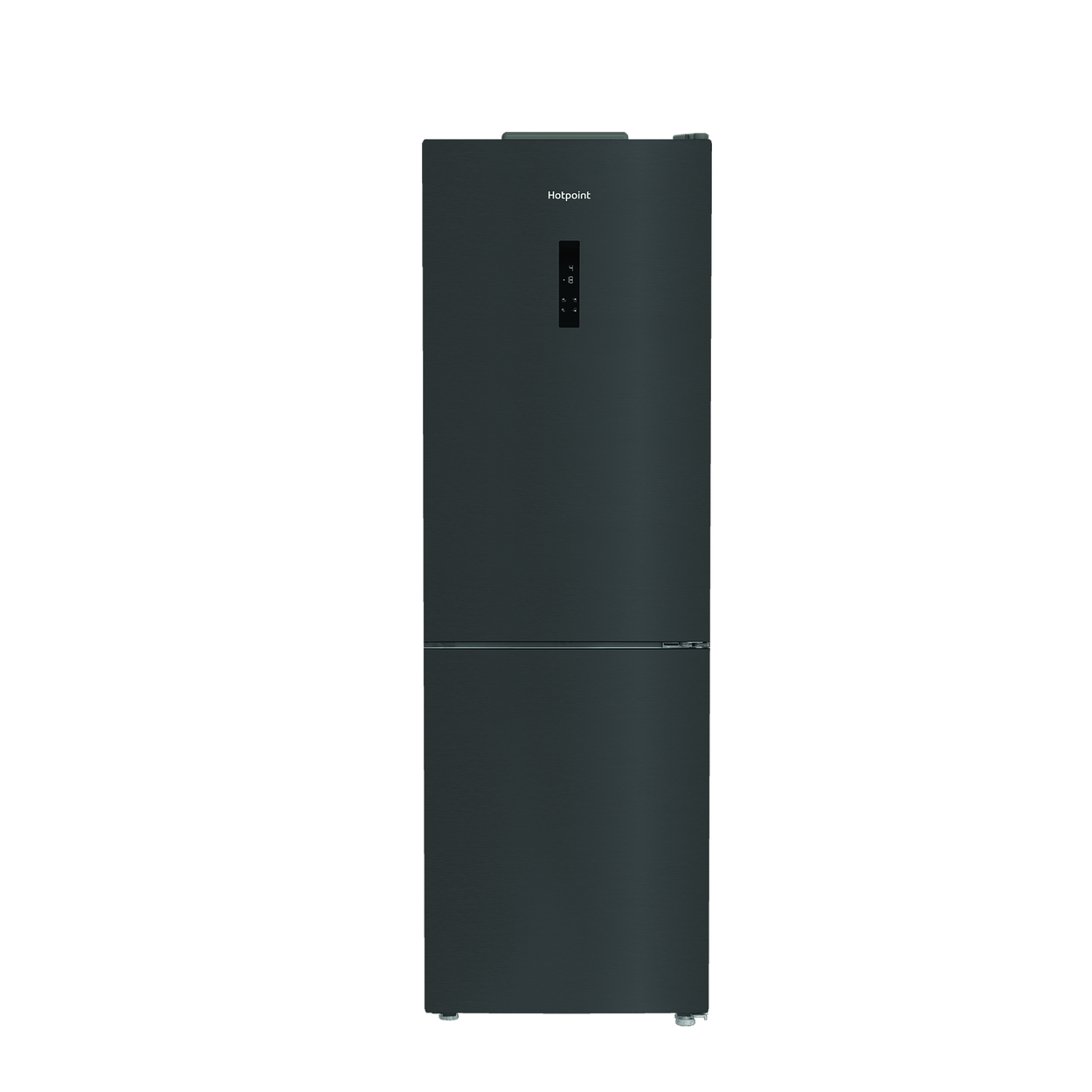 Image unavailable
This fridge freezer combines both functions in one appliance. The model name indicates a capacity of 316 L and a Dual No Frost function. Check the capacity of each compartment and the noise level if your kitchen is open-plan.
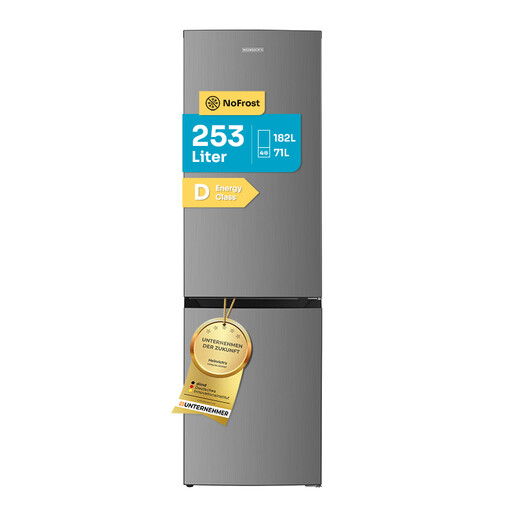 Image unavailable
For dividing storage between fresh and frozen food, the model name indicates 182 L of fridge space and 71 L of freezer space, as well as a noise level of 39 dB and a No Frost function. Check its width, depth and installation clearances before choosing a location.
 Image unavailable
Worth considering where width is a key factor: the model name indicates a width of 54 cm, with 153 L of fridge space and 74 L of freezer space. It also features a reversible door and Low Frost. Check the height and required ventilation clearances.
Compare the label and product information for the specific model, including its energy rating, stated annual energy consumption, capacity and noise level. Delegated Regulation (EU) 2019/2016 covers the energy labelling of electric refrigeration appliances within its scope, with a volume of more than 10 L and up to 1,500 L.
First, check the model’s manual: air must be able to circulate as specified in the installation instructions. Whirlpool recommends leaving 5 cm above and 10 cm behind its freestanding fridges; built-in appliances have their own requirements, listed in their specifications.
No. On models with this feature, such as the Beko TSE1284N or Whirlpool SP408102FR, it lets you choose which way the door opens. You’ll still need to check the door clearance and the space in front of nearby furniture.
Not without checking the cabinet space, fixings, ventilation and door panel requirements for the model. Electrolux also states that its installation service doesn’t include carpentry or door-panel work. Check what your kitchen unit needs before choosing an appliance.