Which criteria should you compare first?
First, choose a style that fits your kitchen, then check that the balance of fridge and freezer space suits your shopping habits. The total capacity alone won’t tell you where you’ll be able to store your food.
Table-top
Worth considering: for a small kitchen where compact fresh-food storage is the priority.
Bear in mind: the overall capacity is limited and, depending on the model, there may be little or no room for frozen food.
Single-door
Worth considering: if you prioritise fresh food or already have a separate freezer.
Bear in mind: the presence and size of a freezer compartment vary by model. An integrated version must also fit your kitchen unit.
Fridge freezer
Worth considering: for weekly shops that need two separate storage areas.
Bear in mind: compare the capacity in litres of each compartment and check both the appliance’s height and depth.
Multi-door
Worth considering: if a large family-sized capacity is a priority and your kitchen can accommodate a wide appliance.
Bear in mind: carefully check the route into the room and the space needed to open the doors.
| Consideration |
What to check |
Who is it for? |
| Space and installation |
Measure the space, door clearance and delivery route; check the manual for ventilation clearances. |
In a small kitchen or when fitting an existing unit, I need to be able to install and open the appliance without obstruction. Around 36% of consumers prioritise this installation constraint. |
| Fresh-food storage |
Compare the fridge capacity in litres separately and check whether the storage areas will fit the containers you usually use. |
When I shop for several days at a time, I need enough room for fresh food until my next trip to the shops. This capacity is a priority for around 29% of consumers. |
| Space for frozen food |
Check the freezer compartment capacity and distinguish between a small freezer compartment and a separate freezer. |
If I regularly buy frozen food, a small integrated compartment could limit how much I can store. For around 21% of consumers, dedicated freezer space comes before other criteria. |
| Large capacity for a family |
Compare the dimensions and capacity with access to your kitchen; also compare the energy labels of the models you’re considering. |
When a large household needs plenty of storage for its shopping, I look for a generous usable capacity without overlooking how much space the appliance takes up. Around 14% of consumers put this family need first. |
Fridges to compare on Joybuy
This selection includes fridge freezers, including an integrated model, as well as a multi-door fridge. Compare their styles with the space you have available and how much of your shopping is frozen food.
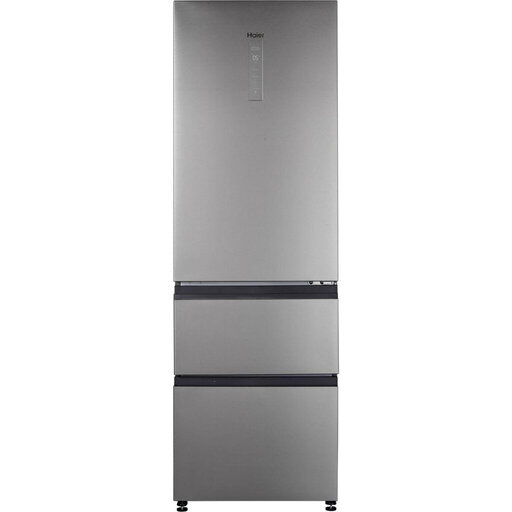 Image unavailable
Haier HTW5618ENMG, three doors, 360 L
Worth considering if your shopping needs a fridge freezer with separate spaces for fresh and frozen food.
The model name indicates three doors, a total capacity of 360 L, Total No Frost and an E energy class. Check the capacity of each compartment and the installation clearances in its documentation.
View on Joybuy
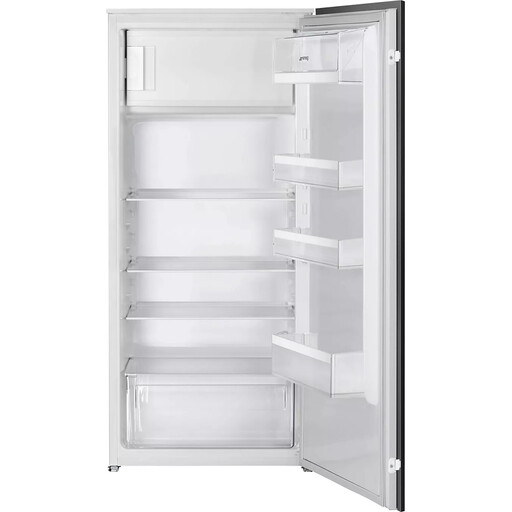 Image unavailable
SMEG S4C122E integrated fridge freezer, 188 L
Worth considering if your kitchen needs an integrated appliance with a small built-in freezer compartment.
The model name indicates a single door, a top-mounted freezer, a total capacity of 188 L and an E energy class. Before buying, check the niche dimensions and door-fixing system against the documentation. The freezer compartment is listed at 14 L and requires manual defrosting.
View on Joybuy
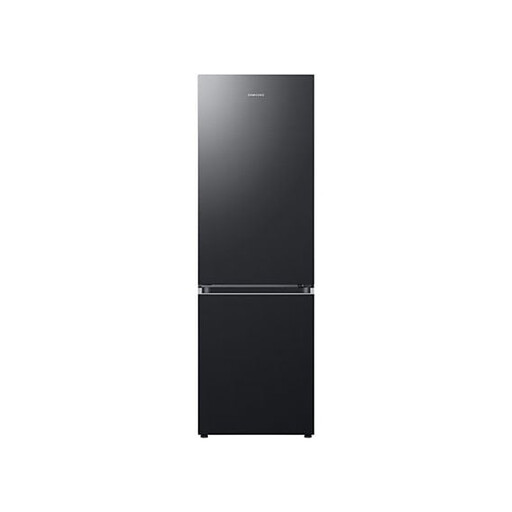 Image unavailable
Samsung RB34C704DB1, 344 L, black
Compare this freestanding fridge freezer if you want space for both fresh and frozen food between shops.
The model name indicates a total capacity of 344 L and a D energy class. Check the split between compartments, the depth and the required clearances before deciding whether this model will fit your space.
View on Joybuy
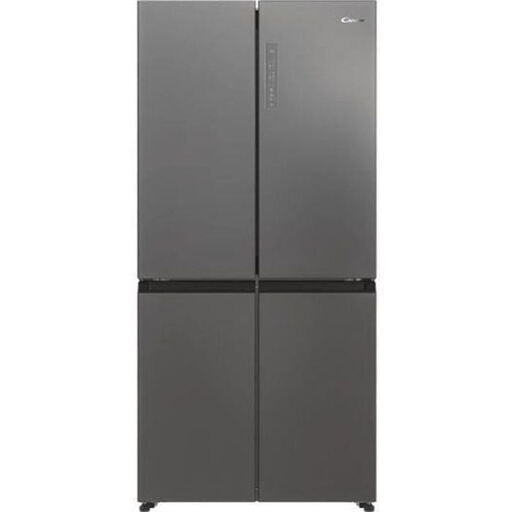 Image unavailable
Candy CFQQ5T817EPS, four doors, 467 L
This multi-door fridge is suited to a household looking for plenty of storage space and with room for a wide appliance.
The model name indicates four doors, a total capacity of 467 L, Total No Frost and an E energy class. Measure the delivery route and door clearance; the doors are listed as non-reversible.
View on Joybuy
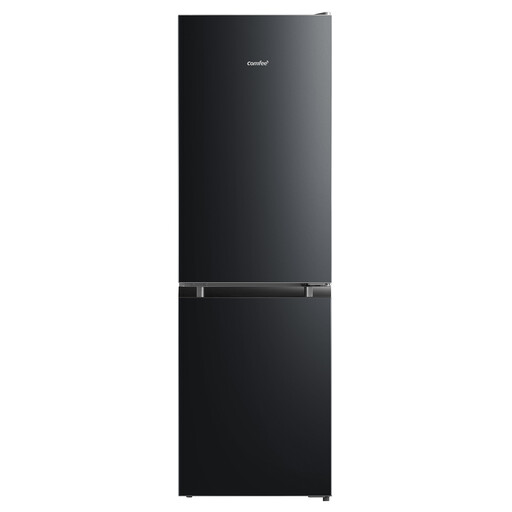 Image unavailable
Comfee' by Midea RCB230BL2EU(E), 174 L
Consider this freestanding fridge freezer if you want two compartments in an appliance with a more modest total capacity.
The model name indicates a capacity of 174 L, a reversible door and Low Frost technology. This doesn’t mean it never needs defrosting, so check the model’s care instructions and installation clearances.
View on Joybuy
Frequently asked questions
What fridge capacity should you allow for, based on the number of people?
Que Choisir suggests 100 to 150 L as a starting point for one person, plus 50 L for each additional person. Adjust this guide to how often you shop and compare the fridge and freezer capacities separately.
Will an integrated fridge fit any kitchen niche?
No. Its dimensions, door fixing and ventilation must all suit the kitchen unit. For example, Whirlpool describes the WHSS 2131B4 as designed for an 88 cm niche. Check the measurements and manual for the specific model you’re considering.
How much space should you leave around a fridge for ventilation?
Follow the manual for the model you choose rather than relying on one clearance that suits every appliance. Bosch’s FAQ, for example, recommends at least 200 cm² of free space behind and beneath the appliance, while the clearances specified for some Samsung Kitchen Fit appliances apply to different configurations.
What should you compare on the energy label?
Compare the energy class of the appliances you’re considering, while also taking their capacity and style into account. The ministry responsible for the ecological transition points out that energy classes run from A to G; ADEME says the label also includes a noise class.
What should you do with your old fridge when replacing it?
Arrange for the retailer or delivery driver to take it away when your new appliance arrives, or take it to a recycling centre that accepts these appliances. According to ADEME, refrigerating appliance fluids need to be collected and treated by specialist services.


