A mix of fresh and frozen food
If you regularly store both in one appliance, check the litres allocated to refrigeration and freezing separately. A large total capacity doesn’t guarantee that each section will suit your shopping.


Choose according to the foods you need to store at the same time. A single-door fridge is mainly for fresh food, a fridge-freezer splits its capacity between fresh and frozen food, and a separate freezer gives you extra frozen storage without replacing your fridge. Then compare the usable litres in each compartment, annual kWh consumption, noise and installation requirements. The energy rating alone isn’t enough to compare appliances with different capacities.
If you regularly store both in one appliance, check the litres allocated to refrigeration and freezing separately. A large total capacity doesn’t guarantee that each section will suit your shopping.
If frozen food takes up little space in your routine, prioritise fridge capacity and storage that suits the foods you keep. For perishable foods, Anses recommends a temperature of between 0 °C and +4 °C in the coldest part of the fridge.
If you already have a fridge for fresh food, compare separate freezers by their frozen capacity, annual energy consumption, noise and ease of access to your food. Also check that the format will fit the space you have in mind.
First decide how much space you need for fresh and frozen food. Then compare appliances of a similar size and capacity. According to the European Commission, the energy label includes information such as storage volumes, annual consumption and noise levels.
Worth considering: when most of your shopping is fresh food and you rarely freeze anything, or have another appliance for frozen food.
Keep in mind: check whether it has a freezer compartment and how large it is. A single door doesn’t necessarily mean there’s no freezer compartment.
Worth considering: if you regularly store fresh and frozen food in one appliance.
Keep in mind: its capacity is split between the two sections. Check that each one has enough space for your needs, rather than relying on the total capacity.
Worth considering: if you need plenty of frozen storage and already have a fridge for fresh food.
Keep in mind: this additional appliance runs continuously and won’t keep food that needs to be refrigerated.
| Need | What to check | Who it suits |
|---|---|---|
| Fresh and frozen food together | Usable litres in each compartment; annual kWh for fridge-freezers of a similar capacity. | I regularly store fresh and frozen food, but want to keep it all in one appliance without running short of space in either section. Around 38 % of consumers prioritise this balance. |
| Everyday storage for fresh food | Usable fridge capacity; storage that helps you avoid overfilling the compartments. | Most of my shopping is fresh food, and I have little frozen food to store. This is the top priority for around 31 % of consumers. |
| Frozen food storage | Freezer capacity; access to your food, depending on whether you choose an upright or chest freezer. | I freeze portions or keep a stock of frozen food, while another appliance already takes care of fresh food. Frozen storage is the priority for around 31 % of consumers. |
The energy rating doesn’t tell you the capacity of each compartment or the annual energy consumption on its own. The European Commission says the label for refrigeration appliances also shows capacity, annual kWh consumption and noise levels.
Compare annual kWh consumption between models of a similar size and capacity, then check that the compartment layout suits your shopping.
ADEME points out that fridges and freezers run continuously, and that their size or certain additional features can affect electricity consumption.
Take stock of your usual shopping and the portions you actually store. Work out separately how much space you need for fresh and frozen food, rather than basing it solely on the size of your household.
A freezer’s capacity is intended for frozen food. It doesn’t provide the refrigerated zone that some fresh foods need; Anses recommends a temperature of between 0 °C and +4 °C in the coldest part of the fridge.
Only choose a dedicated freezer if you already have a fridge or fridge-freezer to keep your fresh food properly chilled.
Your appliance needs to fit in the space available and be installed according to its instructions. Electrolux, for example, advises leaving room for air to circulate around its appliances; the required clearance depends on the model.
Measure the space and the delivery route, then check the model’s instructions for clearance and installation requirements.
For a built-in model, also check whether installation requires work to be carried out to suit the housing. Whirlpool notes that fitting one may require a professional.
Bosch fridge-freezer specifications can help you compare the capacity of each section, noise levels and features on a particular model.
Liebherr offers fridge-freezers with different compartments and features, depending on the model.
Whirlpool’s French catalogue lets you explore fridges, fridge-freezers and upright or chest freezers.
These Joybuy appliances cover mainly refrigerated storage, fresh and frozen food in one appliance, and additional freezer space. Compare the compartments and the space available before you choose.
 Image unavailable
Worth considering if you store fresh and frozen food in one appliance. The product title lists a total capacity of 467 L, Total No Frost and an E energy rating. Check how the litres are divided between the two sections, the annual kWh consumption and the space needed for installation.
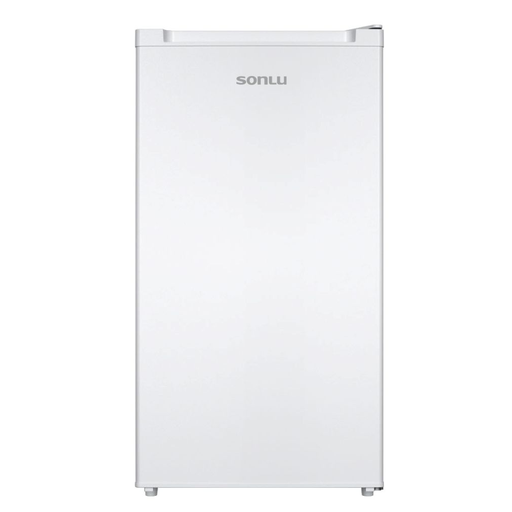 Image unavailable
Worth considering when refrigerated storage is your priority. The product title lists an 82 L capacity and an E energy rating. Check the internal layout, dimensions and how you’ll store any frozen food as well.
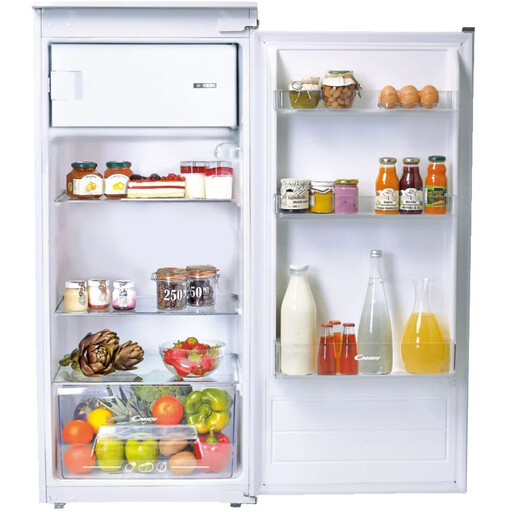 Image unavailable
Worth considering if fresh food makes up most of your shopping, with freezer capacity to check separately. The product title lists a total capacity of 179 L and a freezer compartment. Check how many litres are allocated to each section before relying on it for your frozen food storage.
 Image unavailable
Worth considering for extra frozen storage if another appliance already keeps your fresh food chilled. The product title lists a capacity of 161 L, No Frost, a temperature range of -14 °C to -22 °C and a C energy rating. Check the annual kWh consumption, dimensions and installation requirements before comparing it with other freezers.
 Image unavailable
Worth considering if you want fresh and frozen storage in one appliance. The product title lists a width of 54 cm, 153 L of fridge capacity, 74 L of freezer capacity, Low Frost and an E energy rating. Low Frost isn’t the same as No Frost. Also check the annual kWh consumption, other dimensions and maintenance requirements.
As well as the energy rating, compare annual consumption in kWh, the usable capacity of each compartment and the noise level. The European Commission lists these details for refrigeration appliances. Focus on models of a similar size and capacity so the figures can help you choose.
Anses recommends a temperature of between 0 °C and +4 °C in the coldest part of the fridge. Place sensitive fresh foods in the right zone and check the actual temperature if you can’t tell from the appliance’s setting.
Check the dimensions, delivery route and installation requirements in the model’s instructions. Electrolux recommends allowing air to circulate around its appliances and taking their climate class into account. Don’t use the clearance measurements specified for a different model.